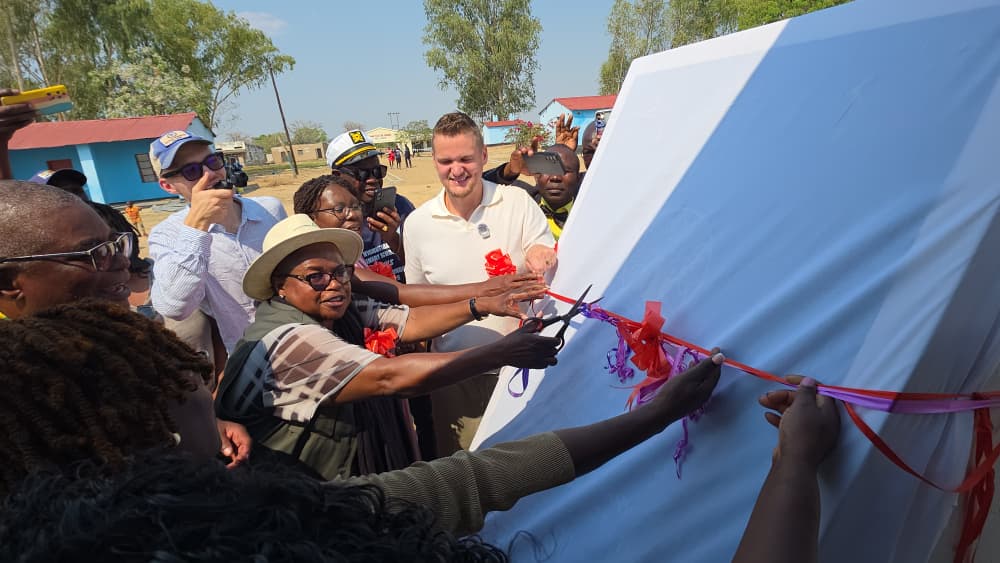
IN yesterday’s issue of H-Metro, we reported about British millionaire businessman Samuel Leeds’ decision to renovate Nyamutora Primary School in Hurungwe.
Leeds is married to a Zimbabwean woman, Amanda, whom he met at a wedding in the West Midlands, and they have four children.
Amanda’s father used to be a student at the school. Leeds’s intervention demonstrates how individuals with resources can make a meaningful difference in the lives of ordinary people.
Education is the foundation upon which a nation’s future is built.
Every child, regardless of their family background or where they are born, deserves an opportunity to learn in a safe, decent and inspiring environment.
By investing in the renovation of a school in Hurungwe, Leeds has contributed to a cause that goes beyond repairing buildings.
He has helped create better conditions for learning and renewed hope among pupils, teachers and the surrounding community. It is an investment in human potential. A better learning environment can motivate pupils to attend classes, encourage teachers to perform their duties and give parents greater confidence in the education their children receive.
Samuel Leeds deserves credit for recognising that communities such as those in Hurungwe should not be forgotten.
While charitable contributions can take many forms, supporting education is among the most valuable because its benefits can extend across generations.
A child who receives a good education can grow into a skilled professional, an entrepreneur, a community leader or an individual who contributes meaningfully to national development.
Leeds’ intervention should also inspire Zimbabwe’s wealthy citizens, businesses and other well-wishers to consider how they can support communities in need.
Philanthropy should not be measured solely by the amount of money donated or the publicity surrounding a project.
Its real value lies in the difference it makes to people’s lives.
Zimbabwe has individuals and companies with the financial capacity to assist struggling schools, clinics and other essential community institutions.
If more of them deliberately invested in such projects, the combined impact could be substantial.
Businesses, in particular, should consider adopting schools and supporting long-term programmes that improve infrastructure, provide learning materials and strengthen educational opportunities.
However, such efforts must be sustainable.
Renovating a school is an important first step but the buildings must be properly maintained, and the school must continue receiving the resources necessary for effective teaching. Government authorities, school development committees, parents and the local community all have a responsibility to protect and maintain the improvements made.
Leeds deserves sincere appreciation for directing his resources towards an educational institution in Hurungwe.
His gesture sends a powerful message that meaningful development is possible when people look beyond their immediate interests and invest in the welfare of others.
Zimbabwe needs more partnerships between government, business, communities and philanthropists.
If Leeds’ example inspires others to follow suit, the benefits could reach far beyond one school.
Ultimately, the greatest measure of generosity is not wealth accumulated, but lives improved.
By helping renovate a school in Hurungwe, Samuel Leeds has demonstrated the value of giving back.