

 Chronicle Editor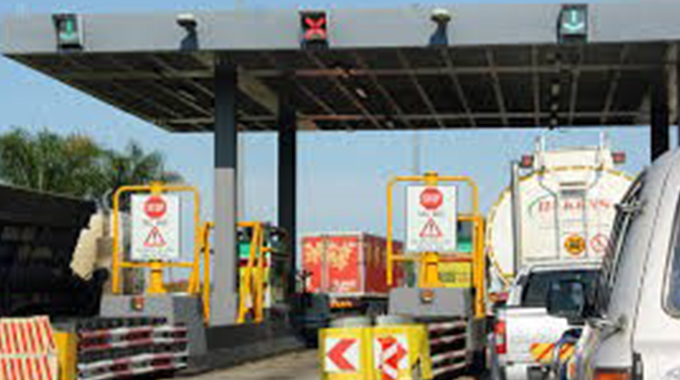
THE country is losing an estimated $24 million annually due to a significant number of vehicles evading tollgate and licensing fees, according to the Parliamentary Portfolio Committee on Transport and Infrastructural Development.

This loss, caused by at least 200 000 vehicles failing to pay their dues, presents a pressing opportunity for reform in the country’s infrastructure and revenue collection systems.
The committee has proposed that the lost revenue could be redirected to a much-needed social cause: the drilling of boreholes, which could provide thousands of Zimbabweans with access to clean water.
However, achieving this goal requires a systemic overhaul that goes beyond simply calling for more toll plazas.
The committee’s suggestion to replace the current toll gates with toll plazas is a step in the right direction.
Unlike toll gates, toll plazas have multiple lanes, which can significantly reduce traffic congestion and streamline the collection of fees.
This would not only improve the flow of traffic but also ensure more efficient and widespread revenue collection.
The proposal also recommends linking various databases — including those of the Vehicle Inspection Department (VID), Zinara (the Zimbabwe National Roads Administration), Zimra (the Zimbabwe Revenue Authority), and other relevant agencies — to ensure that all vehicles are registered, insured, and paying the necessary tolls.
This kind of integrated system would close the gaps in the current setup, where many vehicles continue to evade licensing and toll fees, sometimes for years.
The challenge, however, lies in the practical implementation of such a system.

As noted by committee chairman Cde Knowledge Kaitano, the current lack of an aggregated vehicle database has contributed to revenue leakages.
While the idea of upgrading the existing toll gate infrastructure to toll plazas sounds promising, the effectiveness of this solution hinges on the ability to properly track and monitor vehicle registrations and toll payments.
The absence of a centralised database connecting various institutions has left room for widespread evasion.
Moreover, the issue is compounded by the presence of thousands of “ghost” vehicles — ones that have been scrapped, are non-functional, or are simply not in use, yet remain officially registered.
This further distorts the revenue picture and highlights the need for a more thorough auditing process.
The de-registration of vehicles that have failed to pay licences for over two years is a step forward, but it could be made more effective with better tracking and enforcement mechanisms.
The establishment of toll plazas, combined with the roll-out of a unified vehicle database, could generate substantial revenue that not only improves the country’s infrastructure but also supports social development initiatives such as water access for rural communities.



 Online Reporter
 Bongani Moyo