Online Reporter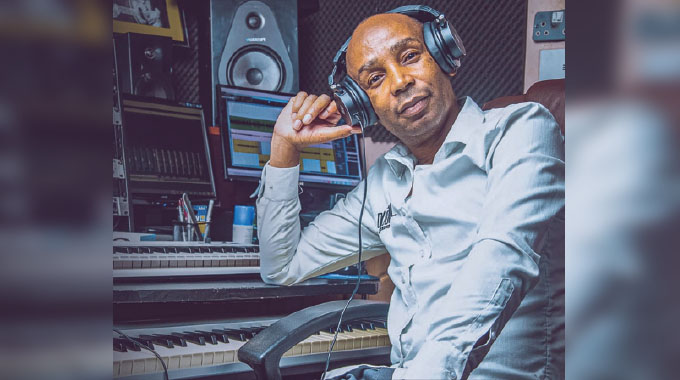
THE death of a close family member is one of life’s most painful experiences.
At such a moment, people naturally want to be physically present with their relatives, attend the funeral, offer comfort and say their final goodbyes.
For veteran music producer Clive “Mono” Mukundu, however, that basic human desire was not possible after his application for a United States visa was rejected, preventing him from travelling to mourn his sister.
Whatever the circumstances surrounding the visa decision, the situation is undeniably heartbreaking.
Bereavement is already difficult enough without the added frustration of being separated from loved ones by thousands of kilometres.
The inability to board a plane and travel to the United States to stand beside his family at such a painful time must be particularly distressing for Mono.
Funerals are more than ceremonies.
They are important family and cultural occasions where relatives come together to mourn, remember the deceased and provide one another with emotional support.
Being unable to participate can leave a grieving person with a profound sense of helplessness.
Visa applications are governed by rules, requirements and decisions made by immigration authorities.
A rejection does not necessarily tell the public everything about an applicant’s circumstances, and people should therefore resist the temptation to invent explanations or attach motives that have not been established.
The tragedy is that, whatever the reason for the rejection, the consequences are deeply personal.
Mono found a way of mourning his sister from Zimbabwe via video link.
Technology also allowed his relatives here in Zimbabwe to participate in the funeral service.
But none of these alternatives completely replace physical presence.
There is something profoundly human about sitting beside relatives during mourning, attending the funeral, embracing family members and personally saying goodbye to someone who has died.
When circumstances prevent that, the pain can be difficult to describe.
Mono is known publicly through his work and his involvement in Zimbabwe’s entertainment industry, but at a time like this, the public figure should not overshadow the grieving human being.
His sister was not simply a headline.
She was a member of a family that has lost someone they loved.
The appropriate response, therefore, is sympathy and respect.
Those who know Mono should rally around him, while members of the public should give him and his family the privacy necessary to grieve.
The visa rejection prevented Mukundu from making the journey to the United States, but it could not prevent him from honouring his sister’s memory.
Mourning does not depend solely on geography.
At this difficult moment, what matters most is that Mono finds comfort, that his family receives the support it needs, and that the memory of his sister is honoured with the dignity she deserves.
Sometimes, the greatest act of kindness is simply allowing a grieving family to grieve.
This is a particularly difficult time for Mono and his family.
He wanted to be there in the United States to say goodbye to his sister but, unfortunately, that was not the case.