
By Freeman Razemba
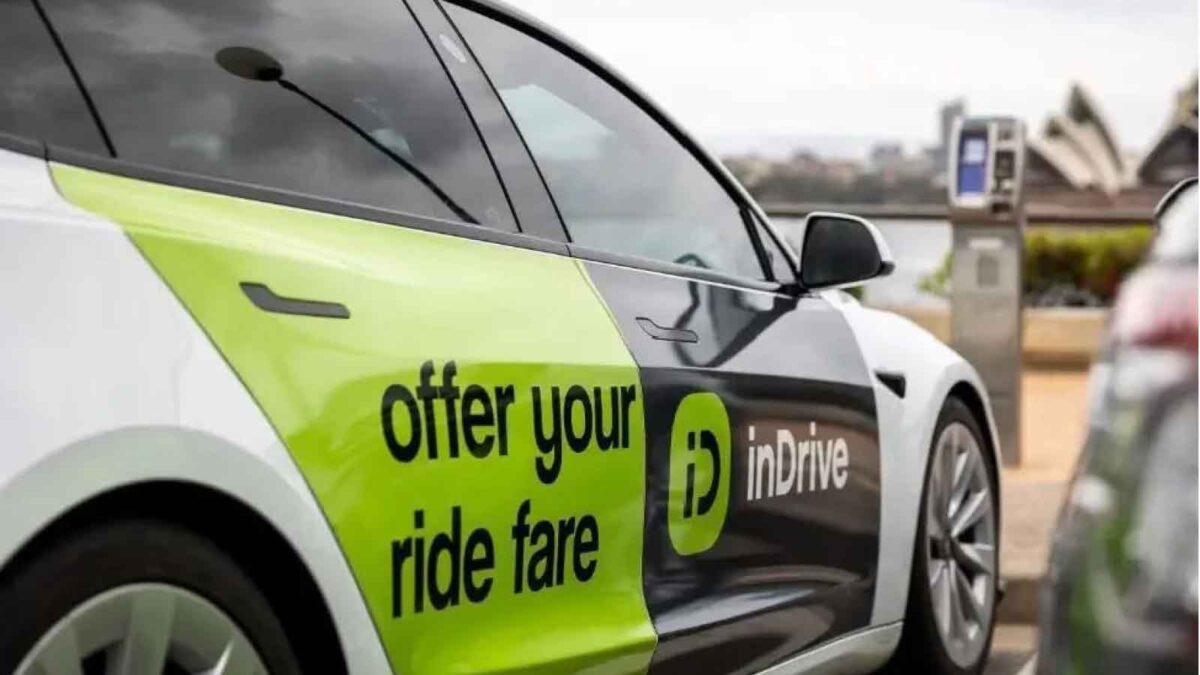
The days of operating with minimal regulation could soon be over for e-hailing operators as Government has unveiled draft regulations targeting popular ride-hailing platforms such as Bolt, InDrive, Tap & Go, GoFaster and KOSE.
The Ministry of Transport and Infrastructure Development has released a draft of the proposed E-Hailing Regulations and is inviting operators, drivers, passengers and other stakeholders to scrutinise the document and submit their views before the rules are officially gazetted.
The move follows a Cabinet directive requiring the regulations to be promulgated by December 31, 2026, marking a major step towards bringing order to one of Zimbabwe’s fastest-growing transport sectors.
In a statement, the ministry said the regulations are aimed at creating a proper legal framework for e-hailing services in line with regional and international standards.
“The Ministry invites stakeholders and members of the public to review the proposed draft Statutory Instrument and submit their views and recommendations before promulgation to inform the development of a regulatory framework for e-hailing services in Zimbabwe,” the ministry said.
“Your input is important in shaping safe, efficient and well-regulated e-hailing services.”
The development comes two months after Cabinet granted e-hailing operators a five-month reprieve to continue operating while Government worked on fresh regulations for the sector.
The moratorium, announced in September, applied to platforms including Bolt, InDrive, Tap & Go, GoFaster and KOSE, among others.
In essence, Government temporarily put controversial regulatory measures on hold to create room for consultations and negotiations with operators and stakeholders on the future of the industry.
At the time, Information, Publicity and Broadcasting Services Minister, Dr Zhemu Soda said Cabinet acknowledged the critical role being played by e-hailing services in Zimbabwe.
The services have become increasingly popular among commuters by offering convenient, affordable and dignified transport while creating employment opportunities, especially for young people.
However, authorities also noted that rapid growth in the sector had exposed regulatory gaps that were negatively affecting the ease of doing business.
Under the proposed framework, Government wants the industry to adopt a self-regulating model under which companies, operators and drivers will operate under clear rules governing issues such as passenger safety, driver conduct and service standards.
The proposed regulations also seek to tighten compliance with tax obligations.
Cabinet has already directed e-hailing transport businesses to register with the Zimbabwe Revenue Authority (Zimra), while operators already conducting business will be required to regularise their tax affairs.
Transport ministry officials said the proposed regulations were developed after extensive consultations with industry players and a review of international best practices.
For passengers, the promise is a safer and more secure transport service. For operators, the regulations are expected to provide clarity and certainty in an industry that has faced growing scrutiny from regulators.
The measures form part of Government’s broader National Development Strategy 2 programme, which seeks to improve service delivery while creating an enabling environment for businesses to thrive.
With the draft regulations now open for public scrutiny, the spotlight shifts to drivers, operators and commuters whose views could shape the future of Zimbabwe’s rapidly expanding e-hailing industry.