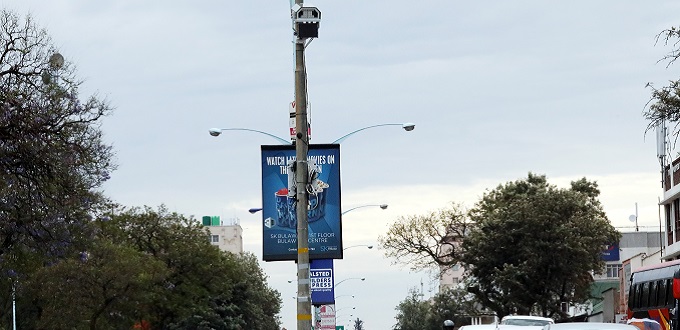
The planned introduction of artificial intelligence-powered traffic enforcement cameras in Bulawayo presents an important opportunity to restore order, improve road safety and promote a culture of responsibility among motorists and other road users.
Bulawayo’s worsening traffic congestion, fuelled by reckless driving, illegal passenger loading and widespread disregard for road regulations, makes the proposed Electronic Traffic Management System a timely intervention in restoring order and discipline on the city’s roads.
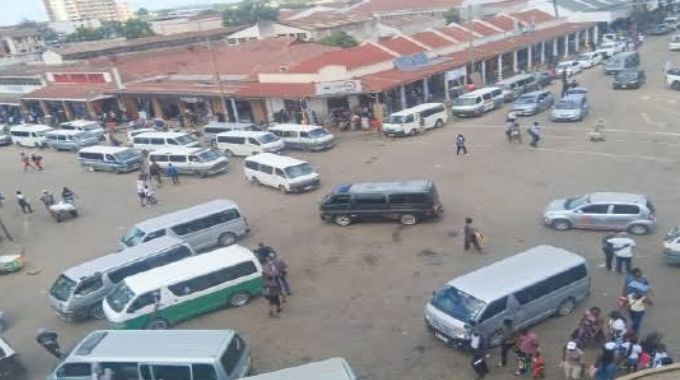
Anyone navigating Sixth Avenue during rush hour understands the urgency of addressing the situation, where commuter omnibuses compete for passengers, motorists struggle through congested lanes and pedestrians negotiate dangerous spaces between moving vehicles.
Such disorder has become an everyday inconvenience for commuters and motorists, exposing people to unnecessary risks while undermining the efficient movement of traffic through one of
Bulawayo’s busiest commercial and transport corridors.
The introduction of automated enforcement therefore comes at an opportune moment, offering authorities an opportunity to strengthen compliance through technology while reducing dependence on physical policing at busy intersections across the city.
The use of cameras and sensors to identify traffic violations can improve monitoring, promote accountability and ensure that motorists understand their responsibility to observe regulations regardless of whether police officers are physically present.
Importantly, automation could also minimise opportunities for bribery, extortion and selective enforcement, which undermine public confidence in traffic policing and compromise the consistent application of regulations across different categories of road users.
When violations are electronically captured and subjected to verification, enforcement becomes less dependent on individual officers’ discretion and more firmly anchored on recorded evidence that can be independently examined when disputes arise.
The figures emerging from Harare, where more than 40 000 traffic violations are reportedly recorded daily, demonstrate the scale of indiscipline confronting authorities and the potential contribution of technology towards addressing it.
While these figures illustrate the system’s capacity to identify offences, they also expose the magnitude of behavioural change required on the country’s roads, where disregard for regulations has become increasingly commonplace.
Traffic enforcement cannot be separated from functional infrastructure, meaning Bulawayo needs working traffic lights, clearly visible road markings, properly maintained roads and designated passenger pick-up and drop-off points.
It would be unreasonable to penalise motorists for failing to obey traffic signals that are malfunctioning or road markings that have become virtually invisible through prolonged exposure to weather and inadequate maintenance.
Public education must precede implementation, ensuring motorists, pedestrians and commuter omnibus operators understand the offences being monitored, notification procedures, payment arrangements and consequences of failing to comply with regulations.
The stipulated seven-day response and payment periods must be communicated widely to prevent avoidable penalties arising from ignorance, while motorists should understand how electronic notifications and court challenges will operate.
Bulawayo has an opportunity to demonstrate how modern technology can transform urban mobility, restore respect for traffic regulations and create safer conditions for motorists, pedestrians and public transport users alike.
However, cameras alone cannot create responsible road users and lasting change requires functional infrastructure, effective public transport management, sustained civic education and impartial enforcement supported by consistent institutional accountability.
The objective must remain safer roads, orderly movement and the protection of human life, ensuring that technological investment delivers meaningful improvements to everyday journeys across Bulawayo and the country.