Online Reporter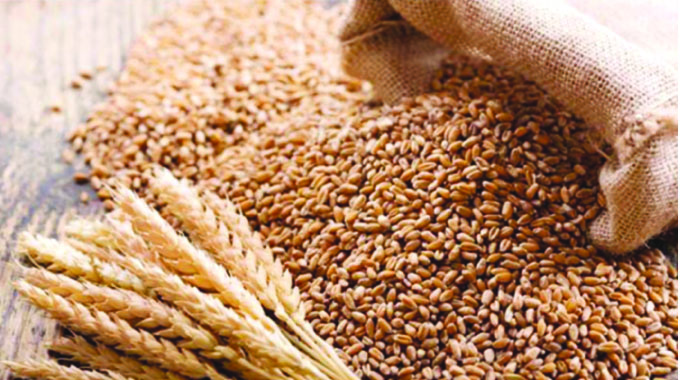
ZIMBABWE now produces all the common wheat we eat, with a significant surplus that allows for extended use of wheat for more products in the national diet and for exports.
With the harvest this year reaching 640 195 tonnes well above the 360 000 tonnes originally estimated for local consumption, imports will significantly be reduced.
However, we still import hard wheat, durum wheat, since many bakers like to use flour with a modest amount of durum wheat blended into the common wheat base to make a lighter loaf, and pasta and pizza makers want and need to add at least a reasonable percentage of durum wheat to their flour, with some premium brands being largely durum wheat.
Now intensive research has found varieties of durum wheat that should grow in Zimbabwe, allowing for more extensive trials and the start of production of this particular wheat species.
Durum wheat, which is still in the same genus as common wheat although a different species that has only four sets of chromosomes compared to the six sets of common wheat, forms about five percent to eight percent of the global wheat harvest, although is the most popular variety in parts of the Middle East and warmer and drier areas such as southern Italy.
It is generally reserved for rounding out some bread flour blends, and for a range of specialist products. Until about four years ago since the start of commercial wheat production in the mid-1960s, Zimbabwe was still importing a good chunk of its wheat requirements, so the exact mix of common and durum wheat in these imports did not matter.
That changed as the Second Republic, as just one of the many successful thrusts in agriculture, pushed production of common wheat and moved us into self-sufficiency and then three years ago a decent surplus, Zimbabwe being one of just two African countries in this fortunate position.
As we approached self-sufficiency the seed companies started looking far more closely at extending their ranges of seed.
The received wisdom was that, although the Zimbabwean climate is far closer to that in the sort of place where a lot of durum wheat is grown, that the seasonal requirements made durum wheat an unsuitable crop. We grow our common wheat under 100 percent irrigation in our coolest months.
So far no one has announced if durum will be a summer crop or winter crop, and a lot will obviously depend on area and disease resistance, rust diseases being the major factor that delayed production of common wheat for decades. Successful production of durum wheat will fill an essential gap in Zimbabwe’s food production and highlights the need to build on our successes over the last few years by extending our range of crops.
Already our barley harvest, once just reserved for malting for beer, is rising giving millers and others in the agro-industrial sector an extra grain and our cooks more variety as they widen our diet.
Despite talk of Zimbabwe being a breadbasket, the same stress on value added before export must include our grains.
Surpluses need to be milled and converted into products that can be placed on supermarket shelves before being shipped, another reason for adding durum.
Most African pasta makers have to import this wheat species from outside Africa, opening opportunities for our industrialists to use local supplies to make the products first.
But there are other crops where extra varieties will be useful as we both seek self-sufficiency and widen our range of potential exports.
Tobacco production has been rocketing as the Second Republic and the co-operating merchants converted the potentials opened by land reform to actual bales of the leaf.
Already we are looking at a far greater degree of local processing before export, since only about one to two percent of the crop is converted to cigarettes in Zimbabwe.
But as has been noted this will require a greater range of leaf over and above the flue-cured Virginia varieties.
Some will be darker leaf, Kentucky types, that can be blended in and some will be quite different varieties, the sun-dried oriental type.
Already in Matabeleland South there are farmers now growing the oriental types that are used for blending with Virginia tobaccos for many brands in the global market.
Again these extras are rarely used on their own, rather being a flavour addition, but as we seek new markets for our record tobacco crops and as we seek to provide more processed blended tobacco, and perhaps even be able to export a lot more cigarettes once trade frees up a bit more, we will need to have the additions.
In horticulture again there are ranges of varieties and adding this range to our own production will not only expand the possibilities within the Zimbabwean market, but also provide more markets for those who process the crops, such as jam producers, and continually add value. Our success in wheat production, in tobacco production and now with other crops means that the old days of just having the basic raw material is no longer adequate.
We still need that, but we need to use our expertise and capacity to widen the ranges, and then we need our agro-industrialists to expand their output and add even more value.