
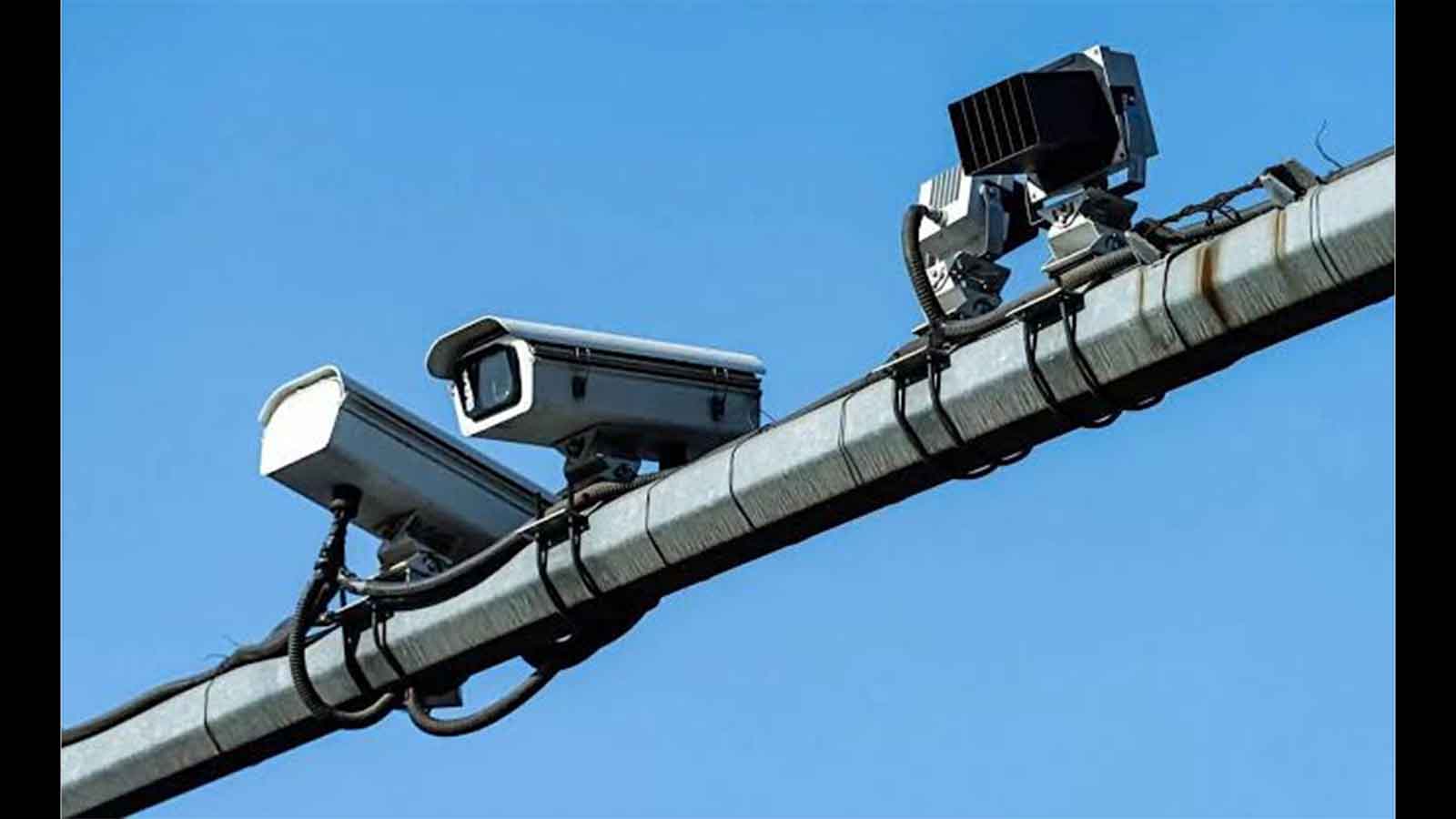
The introduction of Harare’s Smart Traffic Management System has sparked mixed reactions among motorists. While some drivers view the new technology as an inconvenience designed to increase fines and penalties, such perceptions miss the broader picture.
The reality is that the system represents a significant step toward creating safer, more efficient, and more orderly roads for everyone. Instead of resisting the initiative, Harare motorists should embrace it as a transformative solution to many of the traffic challenges that have plagued the city for years.
For far too long, Harare has struggled with traffic congestion, reckless driving, disregard for traffic signals, and a general lack of compliance with road regulations. During peak hours, intersections become bottlenecks, resulting in lengthy delays that waste fuel, increase travel times, and cause frustration for commuters.
The Smart Traffic Management System is specifically designed to address these issues by using modern technology to monitor traffic flow, detect violations, and improve coordination across the city’s road network.
One of the most significant benefits for motorists is improved traffic flow. Smart traffic lights can adapt to real-time traffic conditions, reducing unnecessary waiting times at intersections. Instead of motorists spending long periods stuck at red lights while other lanes remain empty, the system can optimize signal timing based on actual vehicle volumes.
The system also promotes road safety. Many accidents in Harare occur because of red-light violations, speeding, and dangerous driving behaviours. Automated monitoring encourages greater compliance with traffic laws because drivers know that violations can be detected accurately and fairly.
Another important advantage is fairness and transparency in law enforcement. Traditional traffic policing has often been criticized for inconsistency and allegations of selective enforcement. Smart systems rely on cameras and digital records rather than subjective judgment.
Evidence of traffic violations is captured electronically, creating a more transparent process. Law-abiding motorists have nothing to fear because the technology rewards responsible road users while discouraging those who endanger others.
Critics often argue that the system is primarily a revenue-generating mechanism. While traffic violations may indeed result in fines, this perspective overlooks the system’s core objective: changing driver behaviour. The ideal outcome is not more penalties but fewer violations. If motorists obey traffic laws, respect speed limits, and follow road signs, there would be little need for enforcement action. In fact, the greatest measure of success for the system would be a reduction in the number of offences committed.
Motorists should also recognize that smart traffic technology aligns Harare with global best practices. Cities across Africa and around the world are increasingly adopting intelligent transportation systems to manage urban mobility challenges.
By embracing innovation, Harare positions itself as a modern city capable of utilizing technology to improve service delivery and public safety. Resistance to progress only delays the benefits that other cities are already enjoying.
Change is often uncomfortable, especially when it requires people to alter long-established habits. However, every responsible road user stands to gain from a system that promotes order, safety, efficiency, and accountability.
Rather than fighting the system, Harare motorists should view it as a partner in creating a better driving environment. By embracing compliance and supporting smarter traffic management, road users can help build a city where journeys are faster, roads are safer, and transport infrastructure serves the interests of all citizens.