

 Online Reporter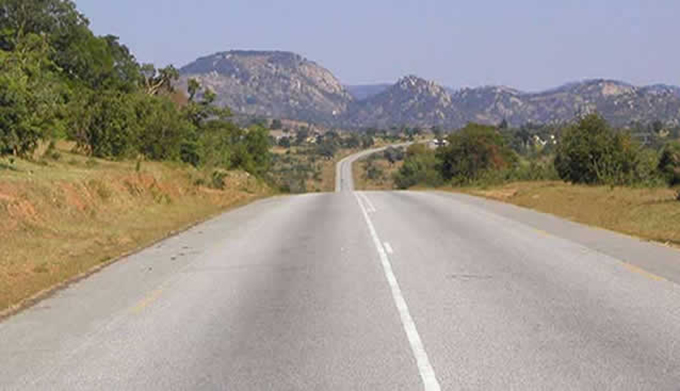
ON Monday we reported about the deplorable state of the Bulawayo-Nyamandlovu-Tsholotsho Road. The state of the road is indeed more than just an inconvenience — it is a situation that demands urgent Government intervention.
Once a vital artery connecting communities and facilitating commerce, the 140-kilometre stretch has deteriorated so severely that a journey which should take under two hours now drags on for more than three. This is not merely a matter of discomfort; it is a threat to economic activity, public safety, and regional development.
Motorists and public transport operators have been forced to abandon the direct route in favour of the longer Bulawayo-Solusi Road, which, while in better condition, is not without its own risks and limitations. The strip road between Chelmer and Nyamandlovu has become a hazard, with burst tyres and vehicle damage now commonplace.
The fact that travellers are choosing longer routes and even pirate operators to avoid this road speaks volumes.
While the Government has made commendable efforts in rehabilitating other major roads, such as the Bulawayo-Victoria Falls route, the Bulawayo-Tsholotsho Road must not be left behind. This is especially critical as President Mnangagwa has been on record stating that no place and no one will be left behind on the road to 2030. The kilometre-by-kilometre approach to road rehabilitation is pragmatic and it is hoped that it reaches this vital road sooner rather than later.
Rehabilitating this road would unlock significant development potential. Firstly, it would improve access to markets for farmers and small-scale producers in Tsholotsho and surrounding areas, enabling them to transport goods more efficiently and at lower cost. Secondly, it would boost tourism, as Tsholotsho lies on the corridor to Hwange National Park and other attractions. Improved road conditions would encourage domestic and international visitors, stimulating local hospitality and service industries.
Moreover, better connectivity would enhance access to education and healthcare services, especially for rural communities. Teachers, nurses, and other professionals would be more willing to work in remote areas if travel were safer and more predictable. Emergency services would also benefit, reducing response times and potentially saving lives.
We urge the Ministry of Transport and Infrastructure Development to accelerate the rehabilitation of this critical route. The economic and social benefits of a well-maintained road network are indisputable. If necessary, the introduction of toll fees — as suggested by transport operators — could be considered to fund maintenance, provided the road is brought up to a safe and usable standard.


 Bongani Ndlovu