Online Reporter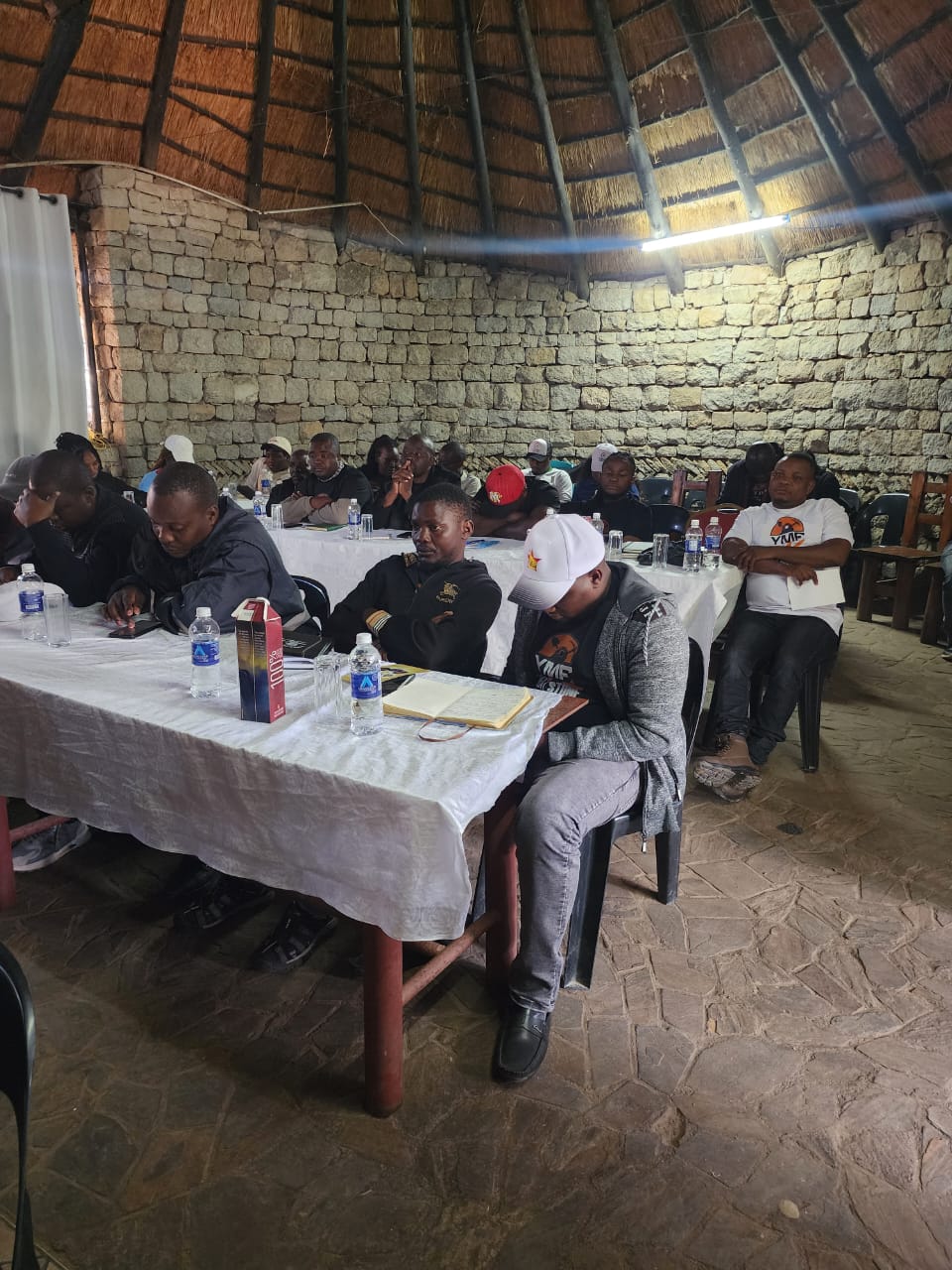
GOVERNMENT’S decision to reserve small-scale gold mining for Zimbabwean citizens and citizen-owned companies presents a major opportunity for the country’s young people. At a time when unemployment remains high and many youths struggle to access meaningful economic opportunities, mining can become one of the strongest pathways towards empowerment, wealth creation and national development.
Zimbabwe is richly endowed with minerals. Gold, lithium, platinum, chrome and several other resources continue to drive the economy, with mining contributing significantly to national exports and Gross Domestic Product (GDP). For years, however, many young Zimbabweans have largely remained spectators in an industry that has the potential to transform lives and communities.
The reserved sectors policy therefore comes at the right time. It reflects Government’s recognition that Zimbabwe’s natural resources must directly benefit its own citizens, especially the youths who make up the majority of the country’s population. If properly managed, the policy can help create a new generation of indigenous mining entrepreneurs capable of contributing to industrial growth and employment creation.
However, Deputy Minister Fred Moyo was correct to caution young people against treating the reserved sector policy as a free handout. His message was blunt but necessary: opportunity alone is not enough. Preparation, discipline, skills and compliance with the law will determine who succeeds and who fails.
For too long, small-scale mining in Zimbabwe has been associated with disorder, unsafe practices, environmental destruction and illegal operations. In some cases, young people have entered the sector without proper knowledge, resulting in fatal mine collapses, mercury poisoning and conflicts over claims. Such problems continue to tarnish the image of artisanal and small-scale miners despite the sector’s huge contribution to gold deliveries and livelihoods.
That is why the emphasis on training is extremely important. Mining is not merely about digging holes in the ground.
It requires knowledge of geology, mining methods, ore processing, environmental management, safety and business administration. Without these skills, many young miners risk remaining trapped in low productivity and dangerous operations.
The partnership between the Young Miners Foundation and the Zimbabwe School of Mines is therefore commendable. Skills development will be critical if Zimbabwe wants to build a professional and sustainable small-scale mining sector. The country needs young miners who understand not only how to extract minerals, but also how to add value, protect the environment and run profitable businesses.
Equally important is access to finance. Many young people possess the ambition to venture into mining but lack capital to acquire equipment, process minerals or formalise operations. Government’s indication that banks and development finance institutions are being engaged to support formalised miners is encouraging. Yet financial support must go hand in hand with accountability. As rightly pointed out by Deputy Minister Moyo, “No responsible lender gives money to chaos.”
Young miners must therefore organise themselves properly through registered syndicates, proper licensing and sound business planning. Formalisation remains the key that unlocks access to funding, technical support and market opportunities.
At the same time, environmental responsibility must never be ignored. Illegal mining activities have left behind dangerous pits, polluted rivers and damaged farmland in many parts of the country. Sustainable mining should become the foundation upon which youth participation is built. Communities cannot benefit from mining if the environment and human lives are destroyed in the process.
Zimbabwe’s mining sector holds enormous potential for transforming the lives of thousands of young people. But success will depend on whether youths approach the opportunity with seriousness, professionalism and long-term vision.
The reserved sectors policy has opened the door. It is now up to young Zimbabweans to prepare themselves, acquire skills and step through that door responsibly.


 Bongani Ndlovu