Chronicle Editor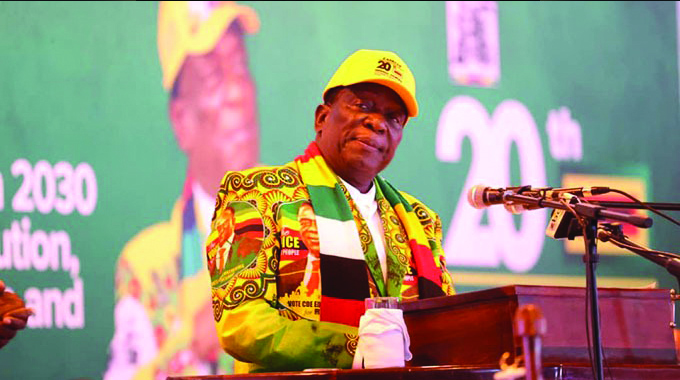
THE upcoming Zanu-PF Annual National People’s Conference in Bulawayo, themed; “Industrialise, Modernise Towards Vision 2030,” is set to place the state of the economy and strategies for consolidating transformative development at the forefront of its agenda. This focus is crucial for several reasons, as it aligns with Zimbabwe’s broader goals of achieving sustainable economic growth and improving the quality of life for its citizens.
A stable and growing economy is the backbone of any nation’s development. It ensures that there are sufficient resources to invest in critical sectors such as healthcare, education and infrastructure. For Zimbabwe, maintaining economic stability is essential to attract both local and foreign investments, which are vital for industrialisation and modernisation.
A robust economy creates job opportunities, reducing unemployment and improving living standards. By focusing on economic growth, the conference aims to address the high unemployment rates and provide sustainable livelihoods for the population.
When the economy grows, it can lift people out of poverty by providing better employment opportunities and increasing incomes. This is particularly important for Zimbabwe, where poverty levels remain a significant challenge.

By prioritising economic stability, the conference aims to implement policies that keep inflation in check. The conference will be expected to come up with measures for controlling inflation. This is necessary because high inflation erodes purchasing power and savings, making it difficult for people to afford basic necessities.
We are very happy that the theme of the conference emphasises industrialisation as a key strategy. Industrialisation leads to the creation of value-added products, which can boost exports and reduce dependency on imports. This not only strengthens the economy but also creates jobs and fosters technological advancements.
We will also expect the conference to look at how Zimbabwe can improve efficiency and productivity through modernising infrastructure and industries. This includes investing in modern technologies, upgrading transportation networks and enhancing digital connectivity. Modernisation efforts can make Zimbabwe more competitive on the global stage.
Implementing policy reforms that create a conducive environment for business and investment is also essential. This includes simplifying regulatory frameworks, ensuring property rights and combating corruption. Such reforms can attract both domestic and international investors.
In light of the effects of climate change, ensuring that development is sustainable is vital for long-term growth. This involves adopting environmentally friendly practices, promoting renewable energy and ensuring that economic activities do not deplete natural resources. Sustainable development ensures that future generations can also benefit from economic growth.
The conference is likely to emphasise the importance of education and training programmes to equip the population with the necessary skills for a modern economy. Investing in education and skills development is crucial for building a knowledgeable and skilled workforce. This can drive innovation and improve productivity across various sectors.
Encouraging collaboration between the public and private sectors can lead to more effective and efficient development projects. Public-private partnerships can leverage the strengths of both sectors to achieve common goals, such as infrastructure development and service delivery.
The Zanu-PF Annual National People’s Conference in Bulawayo is poised to address the critical issues of economic stability and transformative development. By focusing on industrialisation, modernisation, policy reforms, sustainable development, human capital development and public-private partnerships, the conference aims to set Zimbabwe on a path toward achieving Vision 2030. This vision of a prosperous and modernised nation is not only ambitious but also essential for the well-being of its citizens and the future of the country.



 Online Reporter