Chronicle Editor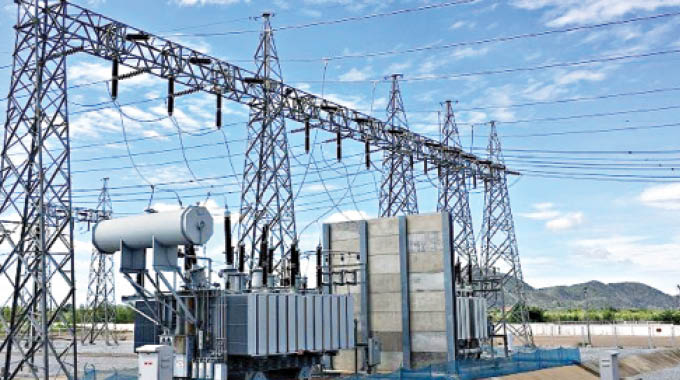
With national attention on Covid-19, Zesa has quietly paid the last instalment to liquidate its US$41 million debt to Eskom of South Africa.
Under normal circumstances this would have been big news for the nation but because citizens are focusing on Covid-19, how they can be safe from the infection and are indoors amid the lockdown, the development passed almost unnoticed. That is understandable for Covid-19 has been the single biggest news item since January. More than 1, 8 million people have been infected globally by Coronavirus which causes Covid-19, 114 900 have died since then. Of those figures, 14 infections have been recorded in Zimbabwe with three fatalities. The whole world is basically under lockdown. People across nations have been forced to remain indoors as a way to avoid infection while industry has been shut.
That Energy and Power Development Minister, Fortune Chasi’s tweet on March 30, announcing the liquidation of the debt coincided with the start of the national lockdown did not help matters.
“Hard to believe but Eskom has, in fact now been paid off. Eskom was paid the last US$890,000.00 for imports during this week. This means Zesa can now negotiate for additional supplies if available. Attention now turns to HCB (Mozambique).”
Due to the low lake level at Kariba and limited capacity at thermal power generating stations at Hwange, Harare, Munyati and Bulawayo, Zesa was forced to effect a 15-hour load-shedding programme in May last year while increasing imports from Eskom and HCB.
However, the power utility later struggled to raise enough foreign currency to consistently pay for the imported feed. Eskom, already struggling with its domestic power supply challenges, cut off Zesa to enforce payment of the debt. The Government intervened and facilitated a deal between the two utilities under which Zesa would pay US$890 000 weekly towards extinguishing the debt. The instalment looked forbidding then if one considers the foreign currency shortage that the country is facing but Zesa management, their parent ministry and the Reserve Bank of Zimbabwe worked hard.
It is good that the Government did not allow the Covid-19 challenge to disrupt Zesa’s debt repayment agreement with Eskom. This, as Minister Chasi said, makes it easier for Zesa to start a new round of negotiations that would lead to it importing more electricity from South Africa in due course.
With industry down because of the lockdown, demand for electricity has noticeably declined. Resultantly, load shedding has eased. Residents all over the country must have noted this as they are having electricity every time, daily.
However, this respite is only temporary for Covid-19 will certainly not be permanent. We are optimistic that soon, our country and the globe at large would be able to defeat the infection, allowing industry and commerce to begin running unhindered. Demand for electricity will obviously rise. This will happen when Zesa is in a debt-free position and in a position to negotiate for the 400 megawatt import arrangement with Eskom to get back online.
When the deal is brought back on stream, we strongly urge Zesa to ensure that they are up-to-date with their payments, not only for their own good name, but also to ensure that local industry, commerce and domestic users have reliable supply of electricity. Eskom themselves will unlikely allow Zesa to accumulate a debt to the level it was when it discontinued its feed to Zesa. This must be good for both sides.
Zesa owed HCB about US$41 million when it owed Eskom almost the same sum. At some point, HCB, which exported around 100MW to Zesa, resorted to stronger debt reclamation tactics including switching off Zesa. Focus would, as Minister Chasi said, now shift to the Mozambican deal. We have no doubt that Zesa would, in the next few months, liquidate that debt in the same manner it dealt with the Eskom one. This will further widen options for the national utility and guarantee greater power supply to the country.
Yes, it is important for Zesa and the country at large to have a good name as a reliable customer who pays debts, but that does not obviate the need for the power utility to boost its own local generating capacity.
The expansion of Kariba South power station was completed in March last year. This boosted its capacity to 1050MW, but, due to low water level, was generating only 254MW by March 26 when the Zimbabwe Power Company last updated its electricity generating figures on its website.
We also recognise the work that is ongoing at Hwange coal-fired plant. When complete, the expanded facility will produce 600MW more on its 920MW current installed capacity.
It is encouraging that barring droughts, Kariba South would contribute more meaningfully in meeting demand for electricity in the country. Also, we are confident that all units at Hwange Thermal would be up and running by January 2022 as scheduled. Attention on smaller thermals at Bulawayo, Munyati and Harare, needs to be intensified so that their contribution is felt more.
All this is for existing plants. Much investment is planned for solar energy, one sleeping energy giant for our country. We want to see all the planned solar projects coming online soon as well.
The largest planned power project is the US$4 billion, 2 400MW Batoka Gorge facility, scheduled for the Zambezi River. Work must begin there too.
We are certain that our economy will grow bigger in the next few years, meaning that demand for electricity will rise. For Zesa to be able to meet that projected demand, its relations with its regional suppliers must remain strong while boosting its internal electricity generating capacity.


 Online Reporter