Online Reporter
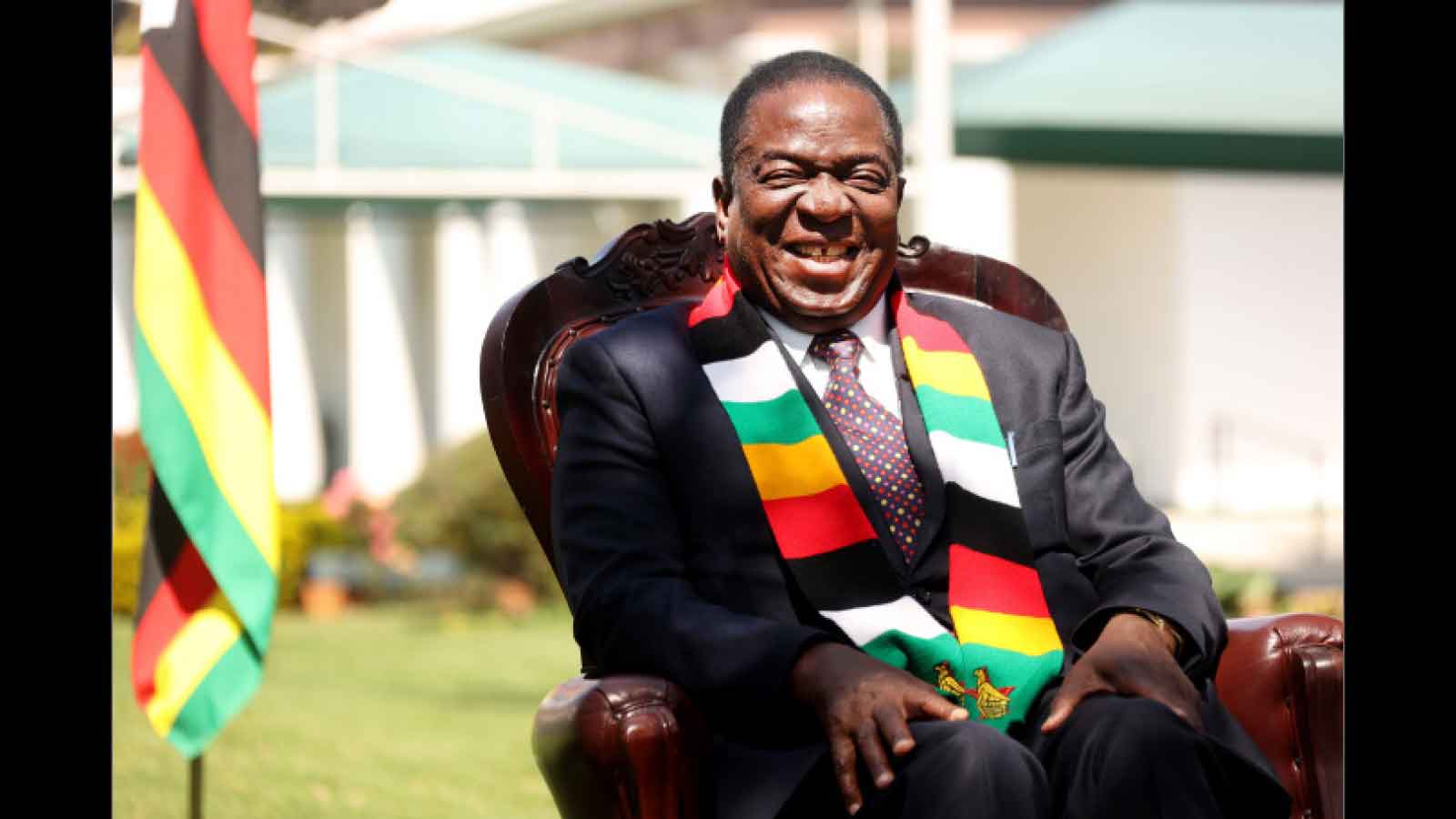
THE 66th Zimbabwe International Trade Fair opens its gates today, with Botswana President Duma Boko expected to open the exhibition on Thursday.
Organisers expect this year’s fair to provide a favourable platform for Africa’s industrial heavyweights connecting manufacturing breakthroughs and digital shifts directly to global value chains.
About 485 direct exhibitors, including 100 leaseholders, will be participating.
International participation is quite strong with 46 international exhibitors from 29 countries including Belarus, Belgium, Botswana, China, Denmark, Eswatini, Ethiopia, European union (EU), France and India.
Indonesia, Italy, Ireland, Germany, Japan, Kenya, Malawi, Malaysia, Mozambique, Namibia, the Netherlands, Nigeria, Pakistan, South Africa, Sweden, Tanzania, United Arab Emirates (UAE), United Kingdom (UK), and Zambia are also in.
While the public is welcome, the special traders days, when businesspeople meet is the most important part of the fair, when real discussions can take place.
When the fair first started, Bulawayo was the home of the largest block of Zimbabwe’s major manufacturing industry, especially the heavy industry, and so the city was the obvious place for an international trade fair where interested visiting buyers could not just see what was being exhibited, but also taken around the factories within a few kilometres.
That allowed, in the limited communications of those days, the possibility of continuing discussions with operational managers, discussing everything from delivery dates to desired modifications and extensions of products.
Considering the Government policy of reinvigorating the Bulawayo industrial base, the location remains valid.
We would hope that the teams from manufacturers are not limited to marketing and PR managers and staff, but include the skilled technical professionals who run the factories and the financial managers who should be able to cost, quickly, any additional desired products and have the in-vestment needs at their finger-tips. ZITF is also seeking a major change in the way foreign countries exhibit.
Embassies are being encouraged to cut back on the PR side and instead bring in interested private sector businesses who have worked out what a rapidly expanding industrial base in Zimbabwe will require.
This usually means that foreign consumer goods are not really much use at a functioning ZITF, but suppliers of heavy equipment and manufacturing systems could well find Zimbabwean customers.
At some stage industrial imports will largely be the equipment that makes the machines that make the final products; this is what engineering international trade consists of.
We need to remember that the ZITF must primarily be the shop window for what Zimbabwe makes and sells, rather be looking for flags on the ground.
The increasing specialisation of ZITF probably means that it would be a rather good idea, sooner rather than later, to end the merger of the trade fair with the old Bulawayo Agricultural Show, with the farmers having their own serious event later in the year, as is traditional for agricultural shows.
The two were merged during UDI when international trade had to be conducted in dark corners with no witnesses and so ZITF suffered badly.
That no longer applies and so the entertainment and fun can also be moved to the farmers’ competitive show.
The ZITF organisers are now clarifying how small and medium enterprises can be fitted in. Fairly obviously, and quite correctly, they want the market stalls to go.
That does not mean small businesses cannot stay, but the sort of desired small business is one that produces something that can be exported or is a general and competent sub-contractor or service provider for a swathe of larger concerns.
We have already noted that there is a growing number of small businesses, for example, making speciality products from Zimbabwean plants and fruit in the food sector.
There is renewed interest in traditional foods, including the 100s of heritage varieties of sorghums for example, or the new tea-type drinks now available, or the new businesses harvesting and processing local fruit.
We would imagine that there is a lot of potential for speciality smaller businesses, especially if they can combine their regional and international marketing,
At present ZITF is a major multi-sectorial fair.
As the economy expands, in breadth as well as depth, we would imagine a migration to a collection of specialist fairs that will keep the well-developed showgrounds active all year. State agencies are still a major part, although not the largest part, of ZITF and while these include ZimTrade, the Zimbabwe Investment and Development Authority and now presumably some of the growing concerns in the Mutapa complex, the organisers are correct in wanting the private sector to be driving the fair.