Sundaymail Editor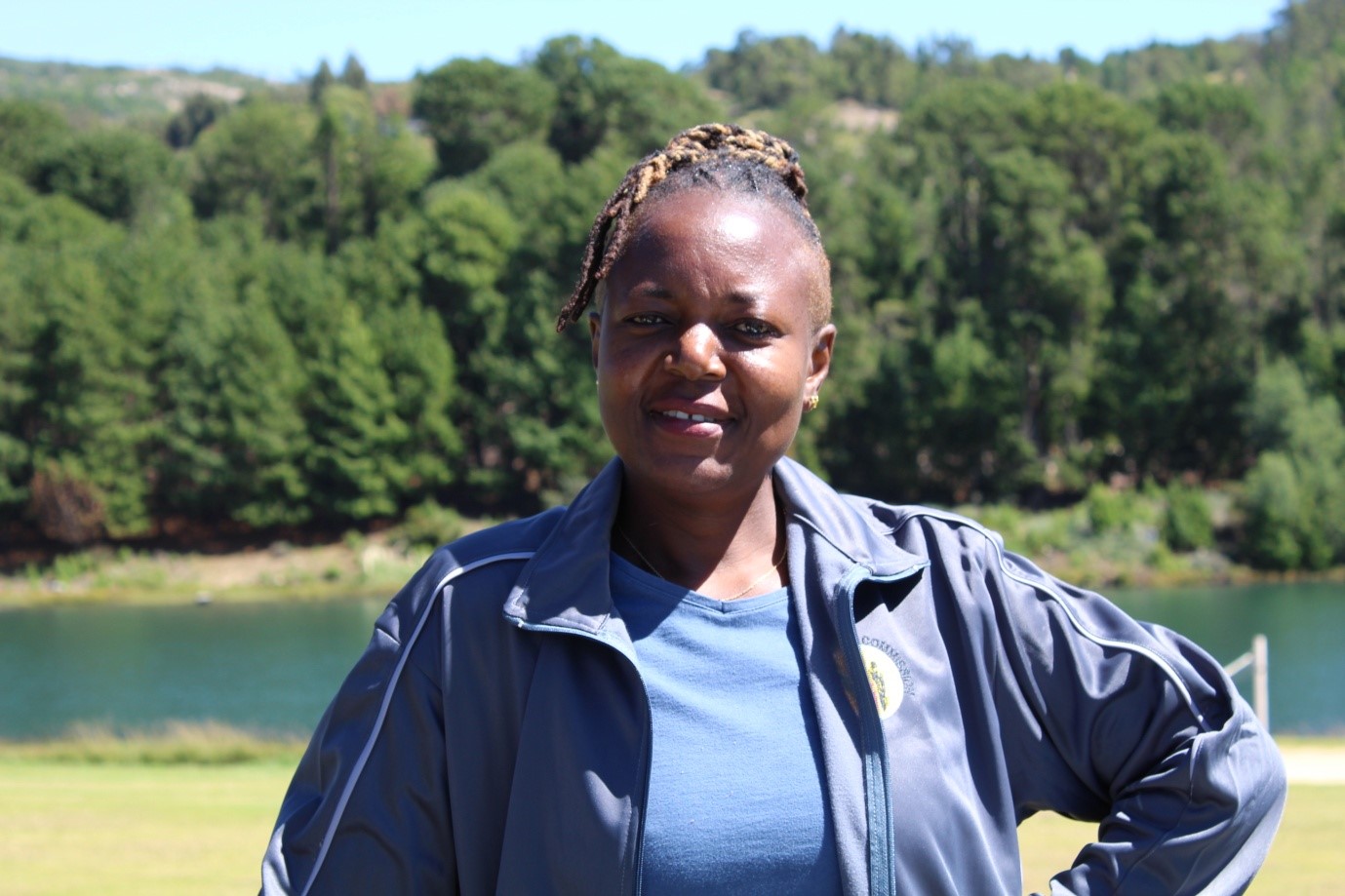
THIS is an opportune time to remind readers about the role of the independent commissions during elections.
Miriam Tose Majome
The public has the right to report to independent commissions if they have been subjected to election-related human rights abuses by the State or its arms during the poll period as at any other time.
Victims of abuse need somewhere to turn to for redress.
The different commissions are obliged to accept and handle the complaints if they fall within their individual mandates.
Commissions can also conduct their own investigations into election-related abuses where they deem necessary.
The five independent commissions established under Chapter 12 of the Constitution are:
- The Zimbabwe Electoral Commission
- The Zimbabwe Human Rights Commission
- The Zimbabwe Gender Commission
- The Zimbabwe Media Commission
- The National Peace and Reconciliation Commission.
They all have different functions. However, they also work jointly to protect, support and strengthen the principles of human rights and democracy espoused in the Constitution.
The five commissions provide for checks and balances, which ensure that the State and its agencies observe democratic values and principles and do not abuse peoples’ rights.
The State should be held to account when it commits human rights abuses.
It is all very well having rights. However, if there is no mechanism to ensure abuses of the rights are remedied, the rights will be just good on paper.
The commissions can do this because they are independent and are not under the control or influence of anyone except the Constitution only.
The commissioners are appointed by the President, but are not selected by him or subject to his control.
They are empowered to investigate and summon anyone at any level if they so require.
Commissioners are not State employees or political party affiliates.
They are forbidden from participating in party politics and should relinquish all public political party affiliations.
They are removed from office if they are found to be politically active.
This is essential because commissions are mandated to protect and defend the political rights and choices of all Zimbabweans.
The Zimbabwe Electoral Commission (ZEC) ensures and guarantees political rights granted in Section 67 of the Constitution.
ZEC’s task is to ensure that we all have the right to participate in politics in whichever way we choose to.
ZEC has to ensure that it provides for and facilitates regular credible elections.
The Human Rights Commission ensures that the basic rights granted in the Declaration of Rights, Chapter 4, are protected.
They include the right to life, the right to personal liberty, the right to human dignity, the right to personal security, and the right to freedom from torture or cruel and inhuman or degrading treatment and unfair treatment and discrimination.
The Zimbabwe Gender Commission protects those rights that promote gender parity.
It promotes and defends Sections 17, 56 and 80, among other gender parity laws.
The Zimbabwe Media Commission ensures that Sections 61 and 62 rights are protected.
These rights speak to protecting and guaranteeing the rights of the media, media freedom and the rights to access information held by the Government and public agencies.
The National Peace and Reconciliation Commission (NPRC) focuses on resolution of burdens of the past and violent conflicts. It also seeks to build national institutions that guarantee peace and reconciliation.
The NPRC will be disbanded after the elections because its tenure ends this year.
All the five commissions are mandated to protect political rights and remedy election-related abuses.
They are expected to be fully engaged during this election period.
Miriam Tose Majome is a commissioner at the Zimbabwe Media Commission.



 Online Reporter