Online Reporter
Sukulwenkosi Dube-Matutu, [email protected]
AS climate change threatens to disrupt farming traditions and livelihoods, communities in Gwanda are turning back to the indigenous knowledge systems, reviving indigenous practices that helped generations read seasonal changes, manage pests, conserve biodiversity and sustain local food systems.
The revival is being driven by interventions aimed at strengthening community resilience to climate change, with indigenous knowledge systems and practices that have been fading over the years being documented and integrated into efforts to help communities adapt to changing environmental conditions.
The knowledge covers a wide range of practices, including crop disease and pest management, seasonal forecasting, traditional farming methods, food systems, cultural practices and biodiversity conservation.
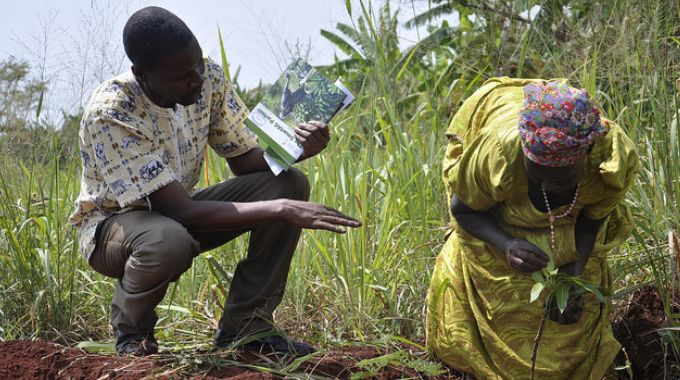
Under the Locally Led Indigenous Nature-Based Solutions for Climate Change Adaptation in Zimbabwe (LINCZ) project, consultations are being conducted at grassroots level in Gwanda to identify, document and promote indigenous knowledge that can help communities respond to the adverse impacts of climate change.
The project is being spearheaded by the Brethren in Christ Compassionate and Development Services (BIC-CDS) with funding from the Mennonite Central Committee and the Government of Canada.
LINCZ seeks to combat the effects of climate change through various activities.
BIC-CDS programme manager, Mr Ndabenhle Ncube, said the ultimate goal of the LINCZ Project is to enhance climate change adaptation of communities in Gwanda District through implementation of nature-based solutions with biodiversity co-benefits.
“We conducted consultations on indigenous knowledge systems in in various wards in Gwanda District. These covered crop disease and pest management, seasonal forecast, cultural practices, traditional agriculture and food systems and biodiversity conservation,” he said. “These are vital in ensuring that communities integrate indigenous knowledge systems and combine it with scientific knowledge so as to adapt to the adverse impacts of climate change.
“There are some practices that were observed long back, which have been discarded but were helping to preserve the environment. For example, it was known that people have to collect dry trees for firewood and not wet logs.”
Mr Ncube said communities are now slowly appreciating and recognising the importance of traditional practices, which were helping to sustain the environment. He said some communities were now re-adopting some of the practices they had abandoned.
Chief Masuku from Gwanda District said there is a need for indigenous knowledge systems to be shared with young people. He said these have in the past helped to maintain balance in the community.
“Indigenous knowledge systems have slowly been disregarded with the introduction of modern technology and systems but now this traditional information is proving useful especially now that we are experiencing climate change, which is threatening livelihoods.
“There are crucial signs, which elders were using to predict the rainy season for the year. Some of the signs were taken from how certain trees would bear fruits.
“This information should be shared with young people and even some elderly people are not aware of this crucial information, or they have forgotten,” he said.
Chief Masuku also urged climate experts to integrate modern technology and traditional practices, which were used to dictate weather patterns. He said disregard for tradition has brought severe climate impacts on communities. If brought together, he said, technology and indigenous knowledge systems can help cushion communities.
“The disregard of rainmaking ceremonies and traditional practices is contributing to the weather calamities that we are facing. We shouldn’t only rely on meteorological information but we should integrate with indigenous knowledge systems.
“This can help communities to adequately prepare for either drought or good rains. We have elders in our communities who have the gift of dictating weather patterns and we should use them. They were of great help in the past when they were being recognised and they can help us even today,” he said.
Indigenous knowledge systems have been used in ecology and nature where traditional ways have been used to protect forests, predict weather patterns, and manage water. Under agriculture, traditional methods are used for local seed preservation, natural soil care, and sustainable food production. Local plants and natural remedies have proven useful in treating physical and mental ailments.