

 admin
admin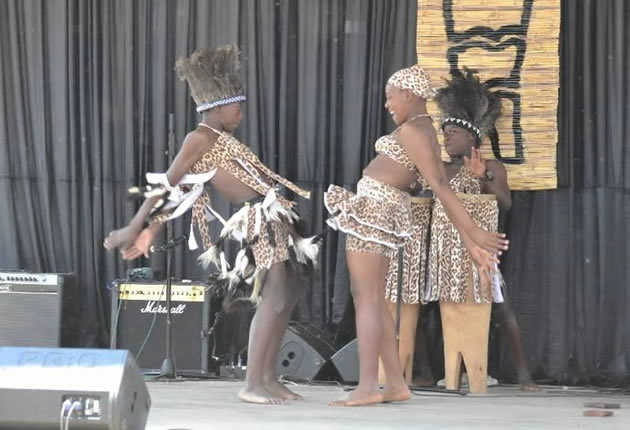
Tawanda Marwizi Arts Correspondent
When the local Mbende-Jerusarema traditional dance was proclaimed a Masterpiece of the Oral and Intangible Heritage of Humanity in November 2005 by UNESCO, the director general of the organisation made an interesting statement.
He said: “Intangible cultural heritage can only be heritage when it is recognised as such by the communities, groups or individuals that create, maintain and transmit it without their recognition, nobody else can decide for them that a given expression or practice is their heritage.”
Heritage refers to practices or characteristics that are passed down through the years, from one generation to the next.
Last weekend hundreds of people from different communities in Murewa came for the annual Mbende-Jerusarema traditional dance festival that was held at Murewa Cultural Centre.
The place was a hive of activity as dancers from Mashonaland East province showcased various skills on stage.
They all did the Jerusarema-Mbende dance because the community has decided to keep their type of dance alive.
We have different traditional dances in Zimbabwe that communities need to keep alive. These include jaka, chikoto, muchongoyo, chitekuteku and mbeulani among others.
Though there are several festivals that have tried to keep these dances alive like the Jikinya Dance Festival and Chibuku Neshamwari Traditional Dance Festival among others, there is need to have such festivals annually in different parts of the country.
For years mbende has managed to capture young blood as most of the participants at this year’s festival had an average age of 10 years.
Festival coordinator Cuthbert Maziwa said by engaging the young dancers, they were simply passing the heritage to the coming generations.
“These young ones are the leaders of tomorrow, they are the future so the legacy of Mbende will go through generations,” said Maziwa.
He urged other communities to do the same to their traditional dances to uphold their cultural values.
“That is one way Zimbabweans can safeguard their culture that is in danger of distortion and disappearance due to acculturation.
“Zimbabweans should be reminded that we are custodians of our own culture and there is need to engage our children, the elderly and the corporate world to have such events that motivate the society to keep our culture.”
National Arts Council of Zimbabwe director Elvas Mari in his speech at the event highlighted that people have to find ways to safeguard their culture.
“Please note many cultural expressions of intangible heritage are under threat, endangered by globalisation and cultural homogenisation,” said Mari.
It is the role of traditional chiefs from different parts of the country to make sure such cultural festivals are done in different communities.
The creation of the Ministry of Rural Development, Preservation and Promotion of Culture and Heritage by President Mugabe gives room for traditional leaders and the arts sector to work hard in preserving culture.
Chief Mangwende, who is the chair of Safeguarding Committee for Mbende within the UNESCO Proclamation framework that NACZ is working with said it was important for traditional leaders to encourage communities to have such festivals.
“We need to have such festivals in different parts of the country.
“We are happy that such festivals that capture young generations work in educating them about our heritage and culture. In other words they enhance passing on our cultural knowledge to other generations,” he said.
It is the task of every citizen of Zimbabwe to ensure our culture is preserved as we are its custodians.
Different communities should learn from the communities in Murewa that has made collective efforts together with the NACZ, UNESCO, Culture Fund of Zimbabwe among others to have the Mbende-Jerusarema Festival done annually.



 Online Reporter