Online Reporter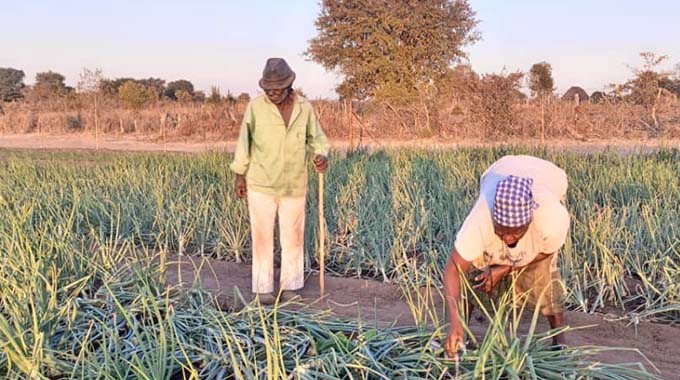
Rutendo Nyeve in Hwange
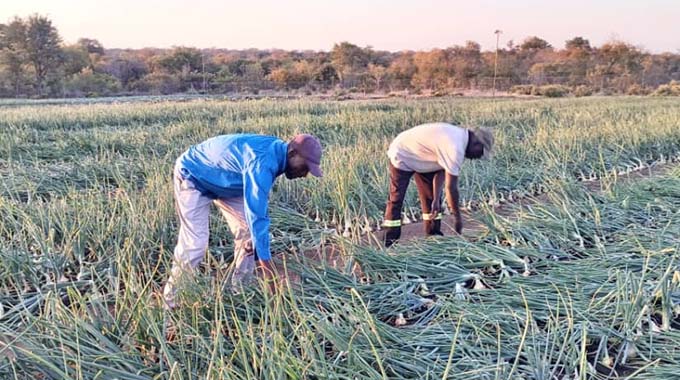
A community garden in a drought-stricken region of Matabeleland North is rewriting the story of a community living on the edge of Hwange National Park. The one-hectare Kasibi Community Garden, flourishing with onions, cabbages and butternuts, is now the centre of a remarkable transformation, turning a narrative of hunger, shaped by scorching sun and erratic rains, into one of sustenance and conservation.
This initiative, a partnership between the Zimbabwe Parks and Wildlife Management Authority (ZimParks) and the International Fund for Animal Welfare (Ifaw), directly addresses the cycle of poverty that once drove locals into poaching and destructive tree harvesting for charcoal. It stands as a shining example of the Government’s policy to establish village business units focused on climate-smart commercial agriculture.
For years, the community in Matetsi Ward 1 — a buffer zone to the iconic park — faced an agonising dilemma. With land too dry for reliable rain-fed agriculture and few formal employment opportunities, survival often meant venturing into the park.
Young men would set snares for antelope, risking encounters with dangerous wildlife and prosecution, simply to put bush meat on the table. Others turned to the forests, illegally cutting down trees to produce charcoal — a practice that degrades the environment and worsens drought conditions.
This was the harsh reality for residents like Mrs Dorothy Sibanda (55). Speaking to Zimpapers during a visit to the garden on Tuesday, she reflected on life before the intervention.
“Before I started working at this garden, life was very difficult for me — and I can say for most of us in our community. We struggled to send our children to school, put food on the table, and survive in this dry area. During droughts, we were severely affected.
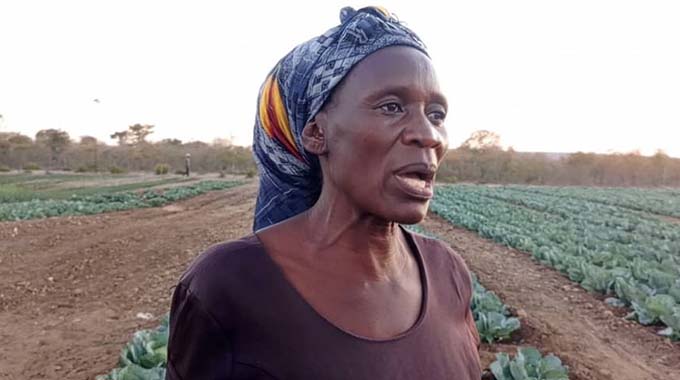
“Young people were turning to poaching, wood harvesting for charcoal, and other illegal means of survival. But since the garden was established, we now bring them here to work. We can now pay school fees, access nutritious food and earn a living,” said Mrs Sibanda.
Her testimony was echoed by the younger generation. Mr Gamelihle Ndlovu (18), who has worked in the garden since its inception two years ago, represents a new path for local youth.
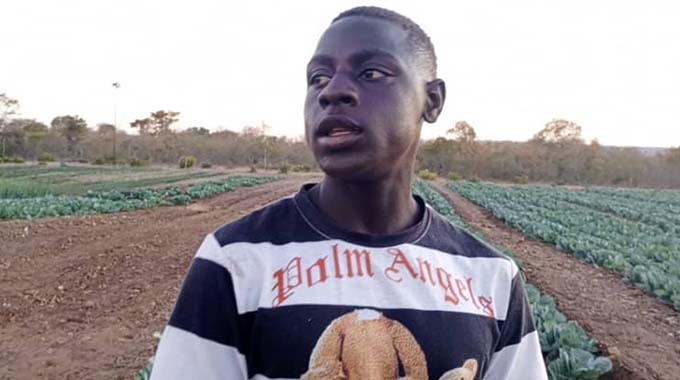
“I want to thank ZimParks and Ifaw for helping us establish this community garden. When it started, I was 16 — that’s when I began working here. I now have my own bed of onions. Since then, transitioning from my teenage years to youth, I’ve been spared from illegal activities like drugs and poaching because I’m always occupied. I also remember that before the garden was established, we had serious water challenges — but as a community, we no longer face those,” he said.
The key to this transformation, explained Ifaw Zimbabwe Country Director Mrs Alleta Nyahuye, is the provision of sustainable alternative livelihoods and, most critically, guaranteed water security.
“This is Kasibi community, one of the buffer communities surrounding the national park. One of the key challenges we face with such communities is human-wildlife conflict, bushmeat poaching, and unsustainable harvesting of environmental resources.
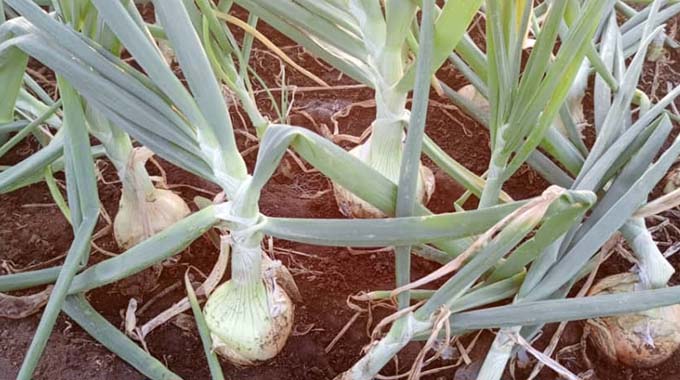
“So, in partnership with ZimParks, the International Fund for Animal Welfare supported the need for communities to have alternative livelihoods. This is a strong example where food security is clearly demonstrated. This is a typical Region Five area, where conditions are very dry, but the project supports guaranteed water security. This is a ‘water is life’ initiative,” said Mrs Nyahuye.
This reliable water supply has unlocked remarkable agricultural potential. Chairman of the Kasibi Community Garden, Mr Pasca Tshuma, shared figures that highlight the project’s commercial success.
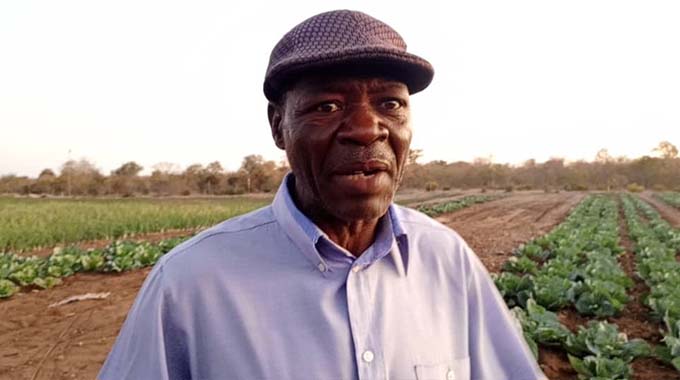
“Our last crop was butternut. We harvested 19 000kg. We sold the produce individually because we hadn’t yet secured a market as a community garden. However, I’m confident we collectively raised more than US$2 000, although some of the produce was used for domestic consumption to improve household nutrition.
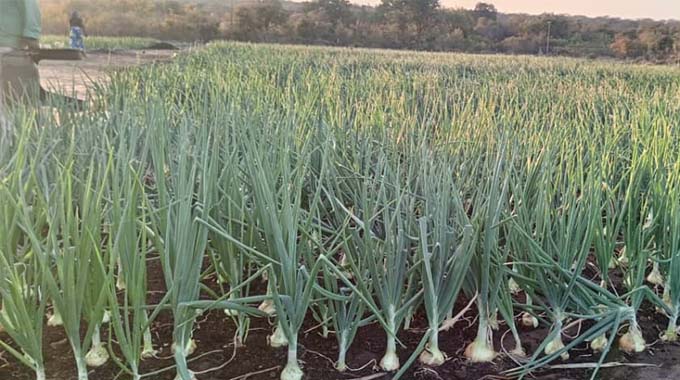
“Currently, we have more than 200 000 onion plants ready for harvest and over 20 000 cabbage plants. We expect to raise more than US$10 000 from these. The garden supports 43 households, and all are beneficiaries. Our plan is to maintain continuous production,” he said.
Mrs Nyahuye estimates that with an average of five people per household, the garden directly benefits over 400 individuals — offering not only socio-economic upliftment but also improved health through consistent access to nutritious vegetables.