Rutendo Nyeve [email protected]
COMMUNITY-LED conservation initiatives that give local people a direct stake in wildlife management are helping some elephant populations in southern Africa recover, offering hope amid a sharp decline in monitored wildlife populations across Africa, a global report has established.
The latest WWF Living Planet Report 2026 says monitored vertebrate wildlife populations in Africa recorded an average 80 percent decline in population size between 1970 and 2022, highlighting the mounting pressure on the continent’s biodiversity.
However, the report identifies the recovery of some southern African elephant populations as evidence that sustained conservation efforts, backed by community participation and effective governance, can reverse declining trends.
The findings are based on the Living Planet Index (LPI), produced by the Zoological Society of London (ZSL), which tracks trends in monitored populations of vertebrate species worldwide.
Globally, the index recorded a 73 percent decline in the average size of monitored wildlife populations over the same period. Latin America and the Caribbean recorded the steepest decline at 95 percent, followed by Africa at 80 percent and the Asia-Pacific region at 49 percent.
The report warns that these figures do not mean the continent has lost 80 percent of all its wild animals. Rather, they represent the average proportional change in the sizes of monitored animal populations at specific sites.
Habitat loss and degradation remain among the most frequently reported threats to wildlife, driven by wider pressures associated with food production, energy systems and financial flows.
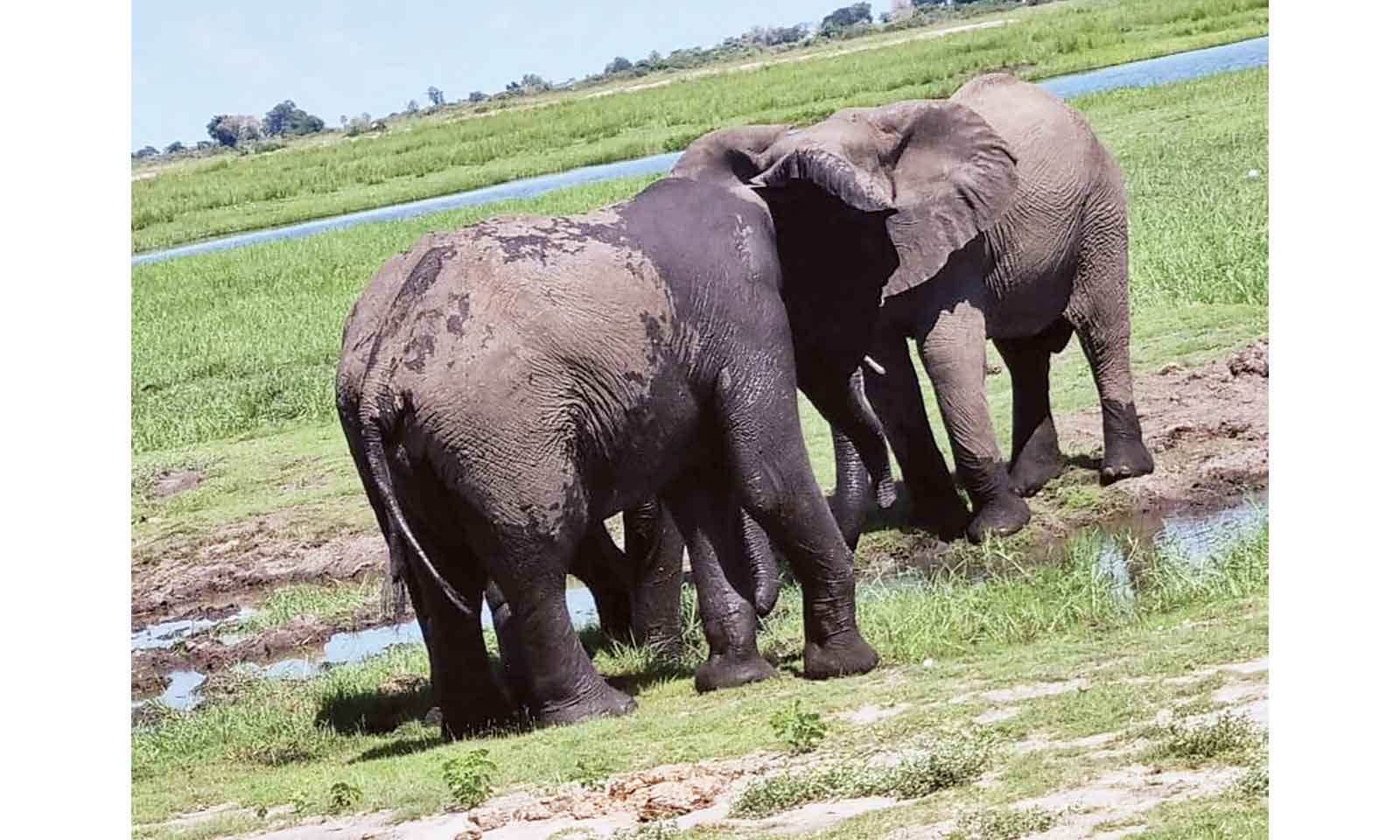
Despite the concerning trends, the report says some southern African elephant populations are increasing, even as African savannah elephants continue to decline across much of their range and remain endangered overall.
“Southern African elephant recoveries of some populations show that sustained, community-led conservation can deliver results,” reads the report.
It attributes the gains partly to legal frameworks that give local communities a direct stake in wildlife stewardship through community-based natural resource management.
“The critical difference is governance. Southern African countries have built legal frameworks that give local communities direct stakes in elephant stewardship through community-based natural resource management,” the report says.
The approach gives communities rights and responsibilities in wildlife management while allowing them to benefit from sustainable conservation.
The report adds that community-level initiatives have been reinforced by anti-trafficking efforts, judicial reforms and measures to reduce corruption, with progress built over decades of sustained action.
Zimbabwe Parks and Wildlife Management Authority (ZimParks) spokesperson Mr Luckmore Safuli said the findings buttressed the importance of involving communities in conservation planning and decision-making.
“Conservation is strongest when communities are not treated as bystanders, but as partners and custodians of wildlife. The Parks and Wildlife Amendment Act places greater emphasis on meaningful community participation in conservation planning and decision-making, as well as on ensuring that people living alongside wildlife can share fairly in the benefits generated by sustainable wildlife management,” he said.
For ZimParks, Mr Safuli added, community-centred conservation was essential to strengthening local ownership, improving human-wildlife coexistence and safeguarding the country’s wildlife heritage for future generations.
The report also highlights successes involving other species, noting that around half of the populations included in the global index are stable or increasing. Examples include green turtles, bluefin tuna and tigers.
“These recoveries demonstrate that clear goals, adaptable plans, sustained action and long-term resilience can produce measurable results,” the report says.
WWF regional director for East and Southern Africa, Ms Yvonne Godo, said wildlife recovery must also deliver benefits for people living alongside animals.
“Recovery is possible, but it must work for people as well as wildlife. Wildlife recovery is not the end of the story; it is the beginning of a new responsibility. The question is not whether recovery is possible, but whether we can create a future in which people and wildlife thrive together,” she said.
However, the report cautions that isolated conservation interventions will not be sufficient to reverse biodiversity loss if wider economic systems continue to destroy habitats.
Drawing on research from the University of Exeter on positive tipping points, the 2026 report argues that major systems can shift rapidly towards healthier outcomes once critical thresholds are reached.
It identifies food and agriculture, energy, and finance as key systems requiring transformation to halt and reverse nature loss.
In Africa, food production is identified as a leading driver of habitat destruction, while financial flows continue to support activities that damage nature.
WWF regional director for the Congo Basin, Mr Nadège Nzoyem, said reversing biodiversity loss required coordinated action involving governments, civil society and other sectors, with Indigenous Peoples and local communities at the centre.
“Durable conservation depends on communities, traditional leaders and institutions having the authority, responsibility and tangible benefits needed to safeguard nature,” he said.