


 Online Reporter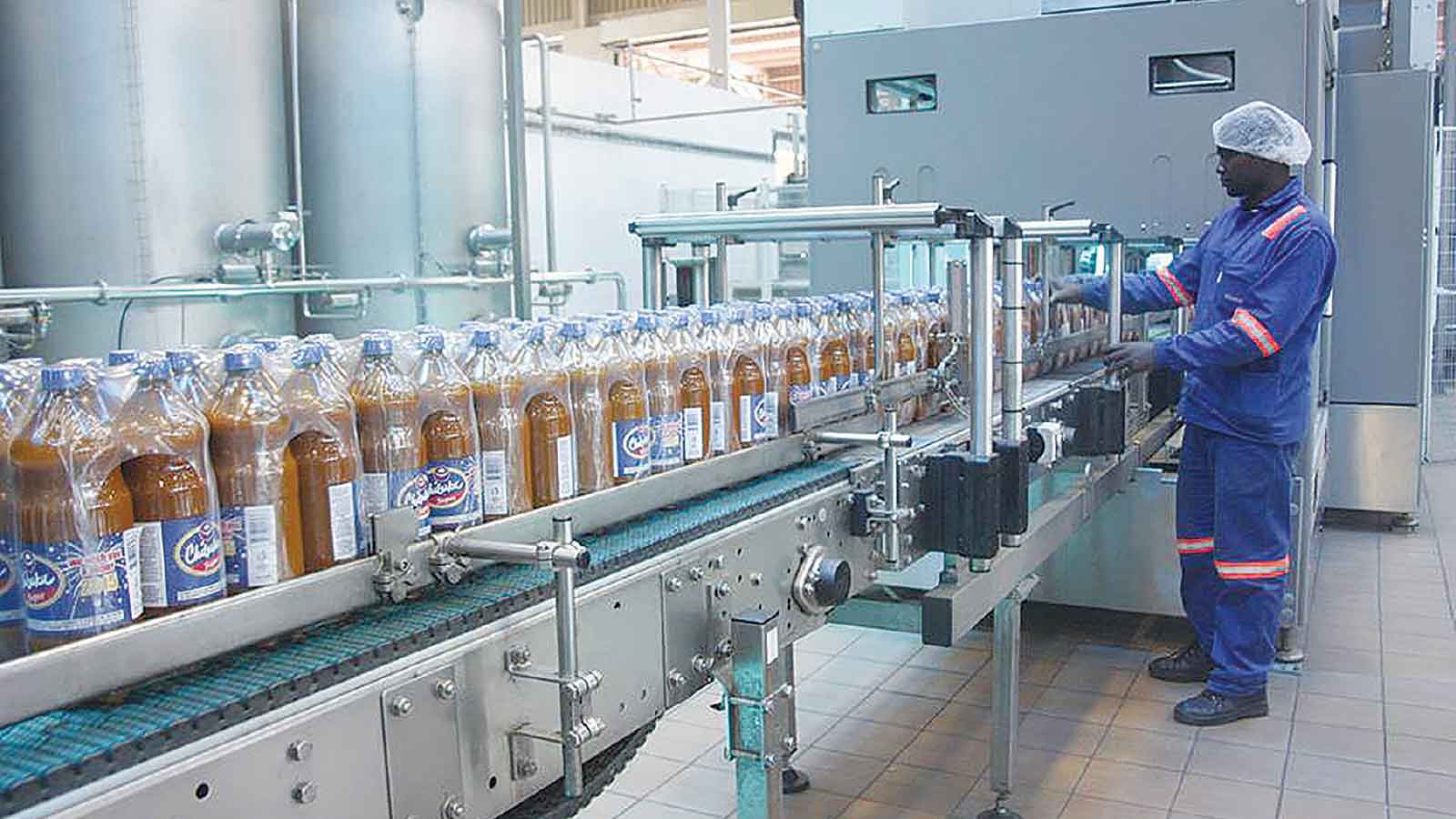
Business Reporter
AFTER years in which corporate Zimbabwe was preoccupied with surviving exchange rate volatility, inflation shocks and shrinking consumer spending, a different narrative is beginning to emerge.
The country’s largest listed companies are no longer merely reporting higher revenues; they are recording robust growth in sales volumes, expanding production capacity and signalling confidence that the improving macroeconomic environment will sustain demand through the remainder of the year.
From beverages and hospitality to manufacturing, corporate trading updates released recently point to a common theme: Businesses expect the current growth cycle to continue, supported by exchange rate stability, low inflation, stronger foreign currency inflows and rising disposable incomes in key productive sectors.
The optimism comes as economic fundamentals have steadily improved.
Inflation has remained subdued, Zimbabwe Gold (ZiG) has been relatively stable, mining earnings continue to rise, agriculture has performed strongly and the Government has intensified efforts to curb smuggling, creating a more competitive environment for formal businesses.
These developments are increasingly feeding into consumer demand, allowing companies to shift their focus from preserving value to expanding market share.
Delta Corporation’s latest trading update provides a snapshot of an economy where demand is broadening rather than merely reflecting price increases.
For the quarter ended June 30, 2026, Delta reported a 14 percent increase in beverage volumes to about 3,4 million hectolitres, lifting revenue by 23 percent to US$294,6 million.
Unlike previous reporting periods when revenue growth was largely driven by inflationary pricing adjustments, the latest performance was underpinned by genuine consumer demand across almost every business unit.
Lager beer volumes increased by 17 percent as mainstream brands continued their strong momentum, while premium local brands gained from improved product availability.
Traditional sorghum beer volumes climbed 20 percent, largely driven by strong growth in Chibuku Super, while sparkling beverages expanded despite higher taxation and increased production costs.
Perhaps the strongest performance came from African Distillers, whose volumes surged by 43 percent as stable exchange rates, better product availability and reduced grey market activity supported demand across wines, spirits and ready-to-drink beverages.
Rather than adopting a cautious stance, Delta is accelerating investment in new production capacity at its Southerton and Belmont breweries, while expanding packaging capacity at African Distillers.
Such investments are typically long-term decisions that reflect management’s confidence that current demand is sustainable rather than temporary.
Hospitality management company Rainbow Tourism Group (RTG), which has benefitted from recovering tourism and business travel, recorded a 29 percent increase in revenue during the first half of the year as occupancy rose to 55 percent and revenue per available room increased sharply.
Management expects additional growth from refurbishment programmes, enhanced regional marketing and the planned redevelopment of its Cape Town property into an internationally branded hotel, demonstrating that expansion rather than consolidation has become the strategic priority.
Star Africa is also projecting a similar trajectory.
Following operational restructuring and investment in retooling, the sugar producer expects stronger volumes over the coming year, while evaluating export opportunities supported by improved competitiveness.
The company also believes stronger performance in the agriculture and mining sectors, which have generated improved liquidity across the economy, will continue supporting domestic demand.
Although management remains cautious about geopolitical risks, fuel costs and taxation, its outlook reflects growing confidence that macroeconomic stability is translating into sustainable business growth.
Investment analyst Mr Enock Rukarwa said the latest corporate updates illustrate an important shift in Zimbabwe’s economic story.
“What is particularly encouraging is that companies are now talking about volume growth instead of simply reporting revenue growth created by inflation,” he said.
“When consumers have confidence that prices and exchange rates will remain relatively stable, purchasing decisions improve. Businesses can plan production more efficiently, manage inventories better and invest with greater certainty.”
Mr Rukarwa said the broad-based growth being reported across different sectors suggests that economic recovery is becoming more entrenched rather than concentrated in a few industries.
“The willingness by companies to commit fresh capital into additional production capacity tells us management believes demand will remain firm over the medium term,” he said.
“That is usually one of the strongest indicators of corporate confidence.”
He cautioned that maintaining policy consistency would remain essential.



 Bongani Ndlovu