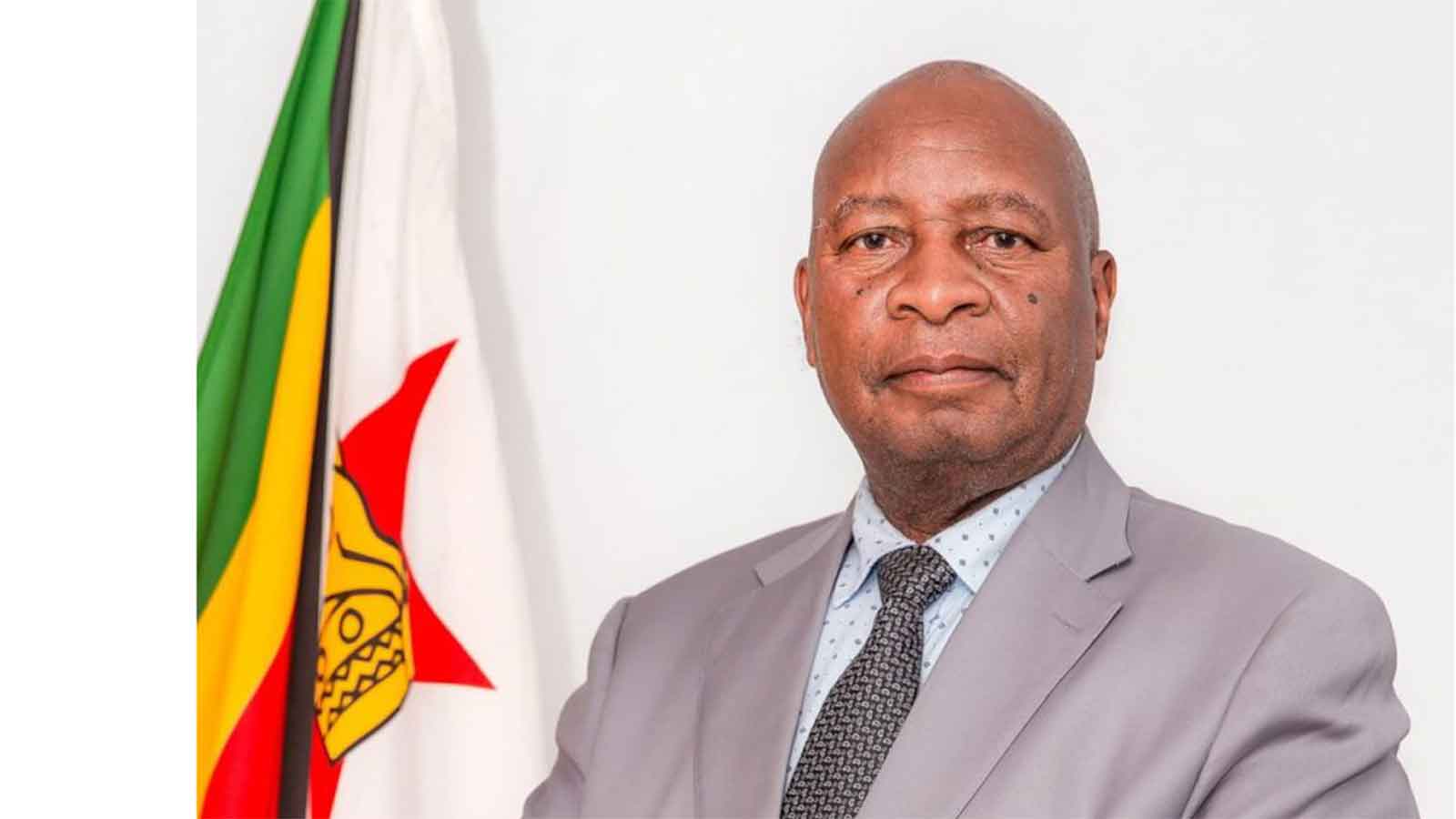
Johnsias Mutonhori Zimpapers Correspondent
PUBLIC Service, Labour and Social Welfare Minister, Edgar Moyo, has cautioned companies and industry players to prioritise occupational health and safety amid concern over the rise in workplace related injuries and fatalities.
The situation demands that organisations treat occupational safety and health not merely as a compliance requirement but as a long-term investment in productivity and safeguarding the future of workers, said the minister.
He was speaking during the commemoration of the World Day for Safety and Health at Work 2026 held in Gweru last Friday, represented by the ministry’s Permanent Secretary, Mr Pfungwa Kunaka.
Minister Moyo said the Government was disturbed that occupational accidents and fatalities continue to rise despite ongoing efforts to curb the incidents.
According to the National Social Security Authority (Nssa) 2025 Annual Report, occupational injuries increased by four percent to 4 414 cases in 2025.
More alarming is that workplace fatalities rose by 11,4 percent, from 70 deaths in 2024 to 78 in 2025.
Already, during the first quarter of 2026, 22 workers have lost their lives, while 1 236 others sustained serious injuries.
While the Nssa report largely captures fatalities and accidents in the formal sector, indications are that many deaths, particularly in artisanal and small-scale mining operations, remain undocumented and unaccounted for.
Globally, nearly three million workers die annually from work-related accidents and diseases, while hundreds of millions suffer non-fatal injuries and illnesses.
According to the International Labour Organisation (ILO) Psychosocial Working Environment Report 2026, psychosocial risks alone contribute to more than 840 000 deaths annually, including 56 394 linked to mental disorders.
These challenges also result in economic losses amounting to approximately 1,37 percent of global Gross Domestic Product (GDP) and 1,72 percent in the African region due to reduced productivity, absenteeism and healthcare costs.
Minister Moyo said the Government remains committed to strengthening policies, raising awareness, and supporting interventions that safeguard workers’ physical and mental well-being.
“In line with Vision 2030 and the National Development Strategy 2 (NDS2), we are strengthening our labour administration systems to ensure effective enforcement of safety standards across all sectors,” he said.
“We are also working towards modernising our legislative framework and aligning statutory instruments that enhance labour inspections and compliance mechanisms.”
Minister Moyo emphasised that occupational health and safety are central to national development and economic growth.
“The Government of Zimbabwe recognises that a safe and healthy workforce is the backbone of national development.
“Workplace accidents and occupational diseases not only affect workers and their families but also undermine productivity, economic growth, and social stability,” said Minister Moyo.
“As such, occupational safety and health is not merely a compliance issue, it is a fundamental human right and a key pillar of sustainable development.”
The minister also expressed concern over the growing concern in the informal sector, where many workers operate outside formal protection systems.
“The ministry is deeply troubled by a silent and largely invisible crisis unfolding within our expanding informal economy,” he said.
“While fatalities in the formal sector are reported, many deaths, particularly in artisanal and small-scale mining operations, go undocumented and unaccounted for.
“Mine collapses, toxic exposures, and preventable accidents continue to claim lives, yet these workers remain outside our protection systems unregistered, unregulated, and uncovered by the Workers’ Compensation Scheme.”
Workers in the informal sector often operate without adequate training, proper protective equipment, or access to occupational health services, exposing them to serious risks and accidents.
Meanwhile, Nssa recorded significant progress last year under its “Vision Zero” initiative, which seeks to achieve zero workplace accidents and fatalities through strengthened occupational health and safety legislation, inspections, enforcement, promotion and training.
The new Occupational Safety and Health Bill has successfully passed through Cabinet and Parliament and has undergone nationwide public consultations across all 10 provinces.
The legislation consolidates and broadens the occupational safety and health framework, aligning it with key International Labour Organisation conventions on mining safety, chemical safety, and the Promotional Framework for Occupational Safety and Health, Convention 187.
It also strengthens enforcement mechanisms and extends protection to workers across all sectors, including the civil service.
Inspections increased by 13 percent in 2025, with factory, boiler, and construction inspections surpassing set targets.