Online Reporter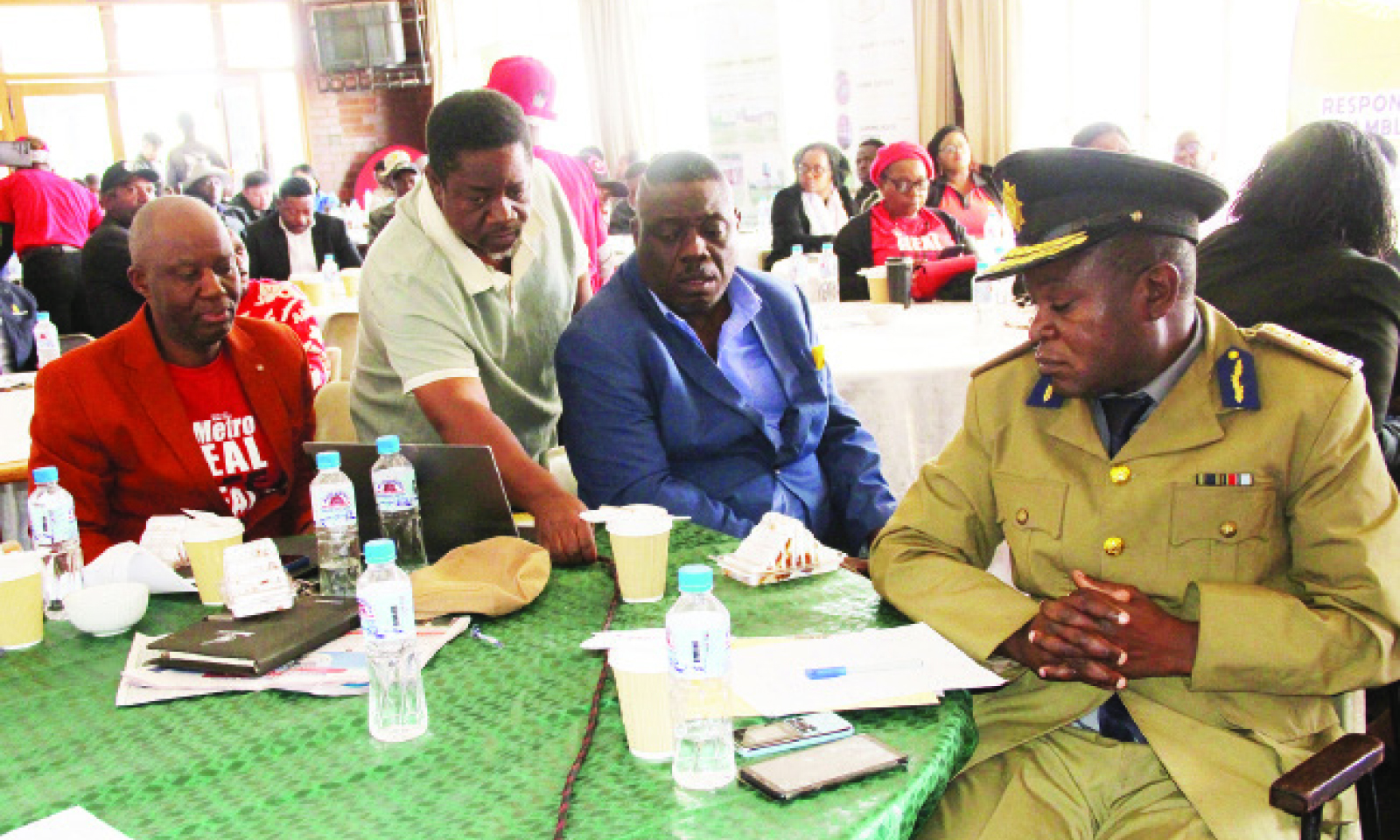
Nick Mangwana-Government Up Close
ZIMBABWE has a long history of traditional games and informal betting, with betting on races and the heydays of Mashonaland Turf Club coming to mind. It was all good and even fun, for many but for some punters, families were ruined. The advent of modern gaming platforms has transformed the landscape. In recent years, sports betting has experienced an exponential rise in popularity, with many Zimbabweans eagerly participating in online betting platforms and sportsbooks. While the allure of quick wins and easy money may seem enticing, this rapid growth of sports betting poses significant risks to individuals, families, and society as a whole. If left unchecked, this trend could lead Zimbabwe down a path of financial ruin, social decay, and individual devastation. It’s imperative that we sound the alarm and take proactive measures to regulate this industry, promote responsible gaming practices, and protect vulnerable populations from the potential harm that unchecked sports betting can cause. The future of our nation’s financial and emotional well-being hangs in the balance.
In a commendable display of corporate social responsibility, H-Metro has launched an awareness campaign against irresponsible gambling, shining a much-needed spotlight on this critical issue. By taking proactive steps to educate the public about the risks associated with problem gambling, H-Metro is not only demonstrating its commitment to the well-being of its readers but also contributing to a broader conversation about responsible entertainment.
The campaign is a timely intervention, given the growing popularity of sports betting and other forms of gambling in our country. As the accessibility and appeal of these activities increases, so too does the risk of addiction and financial hardship for some individuals. By promoting responsible gambling practices and providing resources for those who may be struggling, H-Metro’s campaign is helping to mitigate these risks and promote a safer, more informed approach to gaming.
Through the running of this campaign, H-Metro is setting a positive example for other media outlets and organizations in the industry. Their efforts deserve recognition and appreciation, and their commitment to corporate social responsibility is a testament to the power of media to drive positive change. As we discuss the importance of responsible gambling, let’s applaud H-Metro’s initiative and encourage others to follow suit.
We have already said that Zimbabwe has a complex history with gambling. As a little boy, this writer vividly recalls colonial authorities running gauntlet with some people playing cards (makasi) in high density communities.
As a young lad, it was never clear why people were being arrested for playing makasi and yet others were allowed to bet their whole pay packets on horse racing. Maybe it’s a conversation for another day. Formal betting and gaming regulations were largely shaped by colonial-era laws, which often targeted specific forms of gaming while permitting others. In the modern era, betting has evolved significantly with the rise of sports betting, lotteries, and other forms of gaming.
Sports betting, in particular, has gained immense popularity in Zimbabwe, with many locals participating in football, cricket, and other sports. The advent of online betting platforms and mobile technology has further fuelled this trend, making it easier for people to place bets. The infamous “chindege” comes to mind. However, alongside this growth, concerns about problem gambling, match-fixing, and the social impact of betting have also emerged.
Notably, street gaming, such as playing cards for money, has long been illegal under Zimbabwean law due to concerns about public order, crime, and the potential for exploitation. This prohibition reflects broader efforts to regulate gaming and protect vulnerable populations. As sports betting continues to grow in Zimbabwe, it’s crucial to balance the industry’s economic benefits with robust regulatory frameworks and support for responsible gaming practices.
Gambling addiction is a serious issue that can have far-reaching consequences for individuals, families, and communities. Countries such as South Africa and the United States have seen significant problems arise from unchecked gambling addiction. In South Africa, for example, the proliferation of online betting and casinos has led to concerns about the impact on vulnerable populations, including the poor and youth.
Similarly, in the United States, the rise of sports betting has raised concerns about the potential for addiction, with some studies suggesting that certain states have seen significant increases in problem gambling behaviours.
Zimbabweans may be particularly vulnerable to the risks of gambling addiction, given the country’s history with Ponzi schemes and the influence of prosperity gospel preachers who often promise quick fixes to financial woes. These phenomena suggest a societal inclination towards get-rich-quick schemes and a desire for instant gratification, which can be a slippery slope towards problem gambling.
As a nation, it is essential to be cautious and proactive in addressing the potential risks associated with gambling addiction. By learning from the experiences of other countries and taking steps to promote responsible gaming practices, Zimbabwe can mitigate the negative consequences of gambling and ensure that it does not become a major public health issue.
To deal with the harm caused by gambling, it’s essential to promote responsible gaming practices and provide support for those affected. This can include implementing strict regulations on the gaming industry, providing education and awareness programs like the H-Metro one, and offering counselling and treatment services for problem gamblers. Additionally, gaming operators should work together with the Government to implement measures such as self-exclusion programs, betting limits, and reality checks to help individuals control their gaming behaviour.
Communities can also play a crucial role in preventing problem gambling by fostering a culture of responsible gaming. This can involve raising awareness about the risks associated with excessive gambling, providing support for affected individuals and families, and promoting alternative forms of entertainment. By working together, Government, gaming operators, and communities can help mitigate the harm caused by gambling and promote a safer, more responsible gaming environment.
Many countries have implemented innovative approaches to addressing problem gambling. For example, in Australia, the government has established a national self-exclusion scheme, which allows individuals to ban themselves from accessing gaming venues and online platforms. Similarly, in the UK, the government has introduced strict regulations on the gaming industry, including rules on advertising, customer protection, and responsible gaming practices. These approaches demonstrate the importance of a comprehensive and multi-faceted approach to addressing problem gambling.
In the United States, some states have implemented measures to promote responsible gaming, such as mandatory responsible gaming training for gaming staff and the provision of resources for problem gamblers. Other countries, such as Sweden, have introduced licensing systems that require gaming operators to prioritize responsible gaming practices and provide support for problem gamblers. By learning from these examples, countries can develop effective strategies to mitigate the harm caused by gambling and promote a safer gaming environment.
The Zimbabwean Government has taken a proactive approach to regulate the rapidly growing betting industry by introducing a withholding tax on gross winnings of betting punters, effective January 1, 2025. This move is aimed at harnessing the fiscal potential of the industry while mitigating the potential social harm that can arise from its rapid growth. By imposing a 10% tax on winnings, the Government can generate much-needed revenue while also slowing down the pace of betting activities, which can help protect vulnerable individuals and communities from the negative consequences of excessive gambling.
The introduction of this tax also underscores the Government’s recognition of the industry’s impact on society. By requiring betting operators to withhold tax on gross winnings and remit it to the authorities, the Government can better monitor and control the industry’s activities. The strict deadlines for filing returns and paying tax due (5th and 10th of the month, respectively) further suggest that the Government is keen to ensure compliance and maximize revenue collection. Overall, this measure appears to strike a balance between supporting the fiscal needs of the country and protecting the well-being of its citizens.
As Zimbabwe navigates the complexities of a rapidly changing world, it’s imperative that we also address the pressing issue of substance abuse that has been quietly ravaging our communities. Unfortunately, problem gambling often goes hand-in-hand with substance abuse, and the two issues can exacerbate each other. Given the country’s existing struggles with substance abuse, we cannot afford to let problem gambling become another national crisis. It’s crucial that we take proactive steps to regulate the gaming industry, promote responsible gaming practices, and provide support for those affected. By dealing with the issue of problem gambling head-on, we can prevent a potentially disastrous co-morbidity that would only further strain our already burdened healthcare system and social fabric. The time to act is now, before problem gambling becomes an even more entrenched and devastating issue.
Nick Mangwana is the Permanent Secretary for Information, Publicity and Broadcasting Services