admin
admin
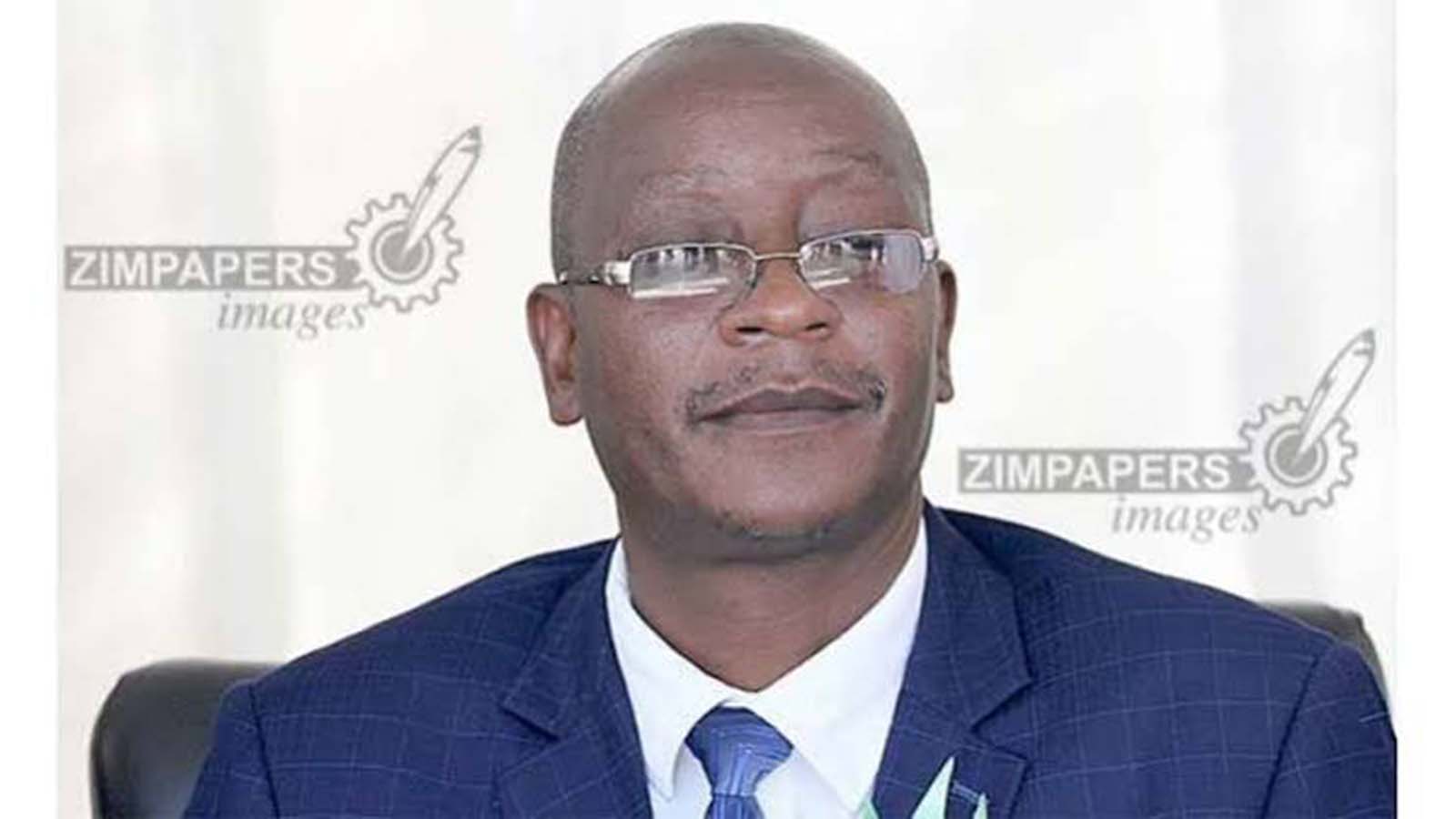
Last week, President Mnangagwa led the ground-breaking ceremony for construction of the Museum of Africa Liberation in Warren Park, Harare. The museum seeks to document the continent’s liberation struggle. Pan-African Think-Tank, the Institute of African Knowledge (INSTAK) is spearheading the project. Our Reporter Emmanuel Kafe (EK) sat down with the chairperson Professor Simbi Mubako (PSM) to talk about this monumental project.
EK: Can you briefly tell us about INSTAK and its mandate?
PSM: The Institute of African Knowledge is an emerging Pan-African Think-Tank and its principal objective is to research, gather and disseminate knowledge about Africa and African peoples. It is a body that stands for African values, standards and generally everything pro-Africa.
It is a trust and an independent organisation. It works with the Government of Zimbabwe through an MOU for the promotion of African values. Generally, it has promoted two programmes so far. The first one being the Africa Fact-Book in association with the Africa Union Commission and the sister publication, Book of African Records.
EK: To some, the museum appears to be an ambitious project. Please shed more light on what the project entails?
PSM: The Museum of African Liberation will be a building in which we collect artefacts about African liberation and showcasing how Africa was liberated. We will be recording in that museum, stories about the liberation of Zimbabwe, the war history and the fight with the colonialists. The museum will be based in Zimbabwe, but will house material from all African countries which waged armed struggles in order to liberate themselves, but of course without excluding those countries that may not have taken up arms, but were all the same instrumental in the liberation period.
A vital portion of their history will be recorded and deposited in the museum. Each of the countries would provide the historical material, the organisations, the weapons, the battles, losses and victories which were experienced during the struggle. It is envisaged that for each country there would be a section of the museum devoted to it. The Zimbabwean section, to be implemented mainly with the Ministry of Home Affairs and Cultural Heritage will mainly show the exploits and vicissitudes of the two wings of the Patriotic Front, ZANU and ZAPU.
We would find the stories of the massacres — Nyadzonia, Chimoio, Mukushi, Westland etc. We would learn about the Chinhoyi battle, Hwange, the downing of the Rhodesian Viscount jets, the blowing up of the Harare fuel tanks, the Mavonde battle and other encounters with the enemy.
In like manner, the museum will house the stories of other countries’ sacrifices and histories. Inevitably, the museum will feature the histories of FRELIMO, SWAPO, MPLA and other gallant liberation parties, their sacrifices and their victories. It will feature massacres at Wiriamu (Mozambique), Maseru (Lesotho), Cassinga (Angola) as well as victories such as the epic battle of Cuito Cuanavale (Angola) and Gorongoza (Mozambique). In all cases, some of imperialism’s superior weapons alongside the freedom fighters’ simple weapons carried by sheer determination to attain freedom, will be displayed.
EK: Why is it so important to have such a museum?
PSM: The museum will enable Africans and the rest of the world to learn about the history and struggle for freedom and human dignity by each and all of these African countries under one roof. It is one of the most effective ways of teaching African history and African achievements told by Africans themselves. As Africans, we must no longer wait for people from overseas to come and interpret our history for us.
Africans have demonstrated that they are capable of liberating themselves. Africans must be the ones to tell the world how they did it and how it feels to be victorious and free. The museum will enable researchers to appreciate the seamlessness of the African struggle for freedom and the indomitable spirit for liberty even against the most powerful oppressor. The story of African liberation cannot be told without highlighting the importance of national unity and Pan-African solidarity. The Museum of African Liberation is designed to immortalise a vital part of the African Heritage. The museum is conceived as a monument of the epic struggle to liberate the African people from European colonialism and apartheid. The second half of the 20th century was the era of emancipation and liberation for all African members of the African Union except for Ethiopia and Liberia.
Egypt became independent in 1936. Starting with Sudan in 1956 and Ghana in 1957, the majority of African states attained their independence before 1970 largely by peaceful protest and negotiations.
However, a hard core of colonies and apartheid South Africa would not concede African majority rule without a fight. These were Angola, Mozambique, Guinea Bissau, Sao Tome and Principe which were part of the Portuguese Empire, the British colony of Rhodesia, the South African mandated territory of Namibia and South Africa itself. Similarly, in Kenya (1953) and Algeria (1960-1963) fierce armed resistance had been waged before these countries won their independence in the 1960’s. Imperialism had designated all these African territories as outposts of intensive settlement of surplus European populations.
Thus, the Museum of African Liberation is a unique opportunity for educational and cultural diplomatic cooperation by all those countries which fought to win their freedom be it through military or diplomatic means or even a mixture of both.
EK: Who is funding the Museum?
PSM: The Zimbabwean Government has been financing all the preparations for the establishment of the museum. We have been getting a lot of publicity by the media and air time on ZBC. The Government showed willingness to assist materially and through ideas and they said they were ready to sponsor and recommend it to other African countries. The Government has been very supportive and in particular last week the Zimbabwean Government donated land on which to build this Museum and its quite a lot of land — 93 hectares on which to build and no other African Government has offered to do that much.
All the African countries that I have mentioned that fought the liberation struggle are funding but Zimbabwe has begun doing it already and others have only promised so far. Equally countries like Russia and China have given indications that they are going to fund. They think African liberation was a good thing and they have supported African liberation themselves. We believe that they are going to support the Museum of African Liberation financially. They have supported verbally so far and they were there at the ground breaking ceremony.
- When will the museum be completed?
PSM: We have a tentative timeline. We started with finding the land. Now that we have secured the land, the next stage is making drawings and sketches and then we build brick and mortar. And we think the whole process will take about two years. Between 2021 and 2022 we will be raising funds and putting up the buildings and so on. By 2023 we will be ready to open.
That is our tentative plan at the moment. But it depends on many things, it depends on the speed at with which we raise finances and the speed with which the buildings will be erected. In other words, it will be three to four years.
EK: What other facilities are likely be built on the site?
PSM: The foremost structure is a museum, but because we have got a lot of land, we think there will be other facilities also. We will have a conference hall for meetings or conferences. We also plan to build an Amusement Park for children to play while parents are viewing the museum. A lot will come out once the plans are drawn. It will tell us how much space is taken out by the buildings and then how much land we have for other activities like playgrounds and so on.
EK: How is Zimbabwe expected to benefit from the construction of the Museum?
PSM: Once complete, Zimbabwe stands to gain a lot in tourism and ideas. All these people who would want to know about Africa will come to Zimbabwe and boost tourism. What the Government of Zimbabwe is doing is not just wasting money. It is an investment, in fact, the name of Zimbabwe will be promoted much more in Africa than it is today.
Culturally, people will know about the Zimbabwean way of life and also the African way of life. Undoubtedly, it will change the face of surrounding areas like the Warren Park suburb as a whole. The value and reputation of the area will certainly go up.



 Online Reporter