Gift Moyo [email protected]
FROM the spiritual traditions surrounding Njelele to the indigenous food knowledge of Chipinge, the foraging practices of the San community in Tsholotsho and the culinary heritage of the Shangani/Tsonga people, the second season of Magriza Made Me Cook has taken viewers on a journey through Zimbabwe’s diverse cultures, one dish at a time.
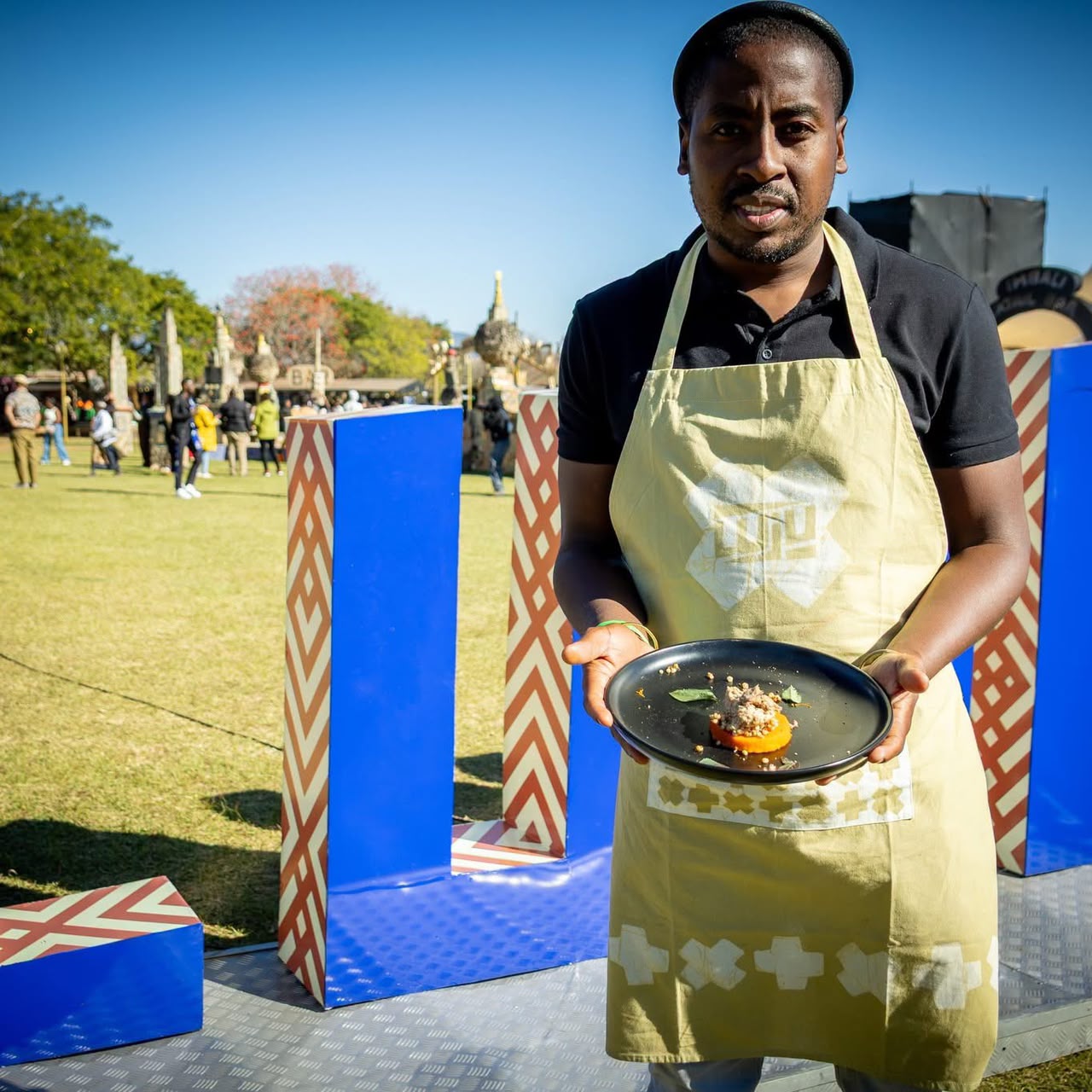
Titled A Taste of Zimbabwe, the traditional cuisine documentary series explores how food connects communities to their history, language, spirituality,y and way of life. As the season approaches its final episodes, head chef and presenter Prince Mahlangu has expressed gratitude for the cultural lessons and experiences gained during production.
Launched earlier this year with a special live premiere, the second season attracted thousands of views across various social media platforms, introducing audiences to culinary traditions from different parts of the country.
For Mahlangu, the journey has been about more than preparing traditional dishes. It has also involved understanding the stories, beliefs and local knowledge behind the food.
“This has been an eye-opening experience, allowing us to explore and learn about our country’s diverse gastronomy. We delved into the history behind our foods, the significance of their names, and how geography profoundly shapes a culture’s palate andof indigenous foods and herbs, and to Binga, where they experienced the local community’s warmth and hospitalityemorable experiences was filming the opening documentary near the Njelele Spiritual Shrine, where the team explored the connection between spirituality and food.
The journey also took them to Chipinge, where they learnt about the health benefits associated with indigenous foods and herbs, and to Binga, where they experienced the warmth and hospitality of the local community, with Mahlangu acknowledging the welcome extended by Ronald Siyamwamwaallowing the production teamed the Tshivenda language and its relationship with food, while in Tsholotsho, members of the San community shared their traditional foraging knowledge.
The series also examined the cultural significance of peanut butter in Karanga cuisine, highlighting how ingredients can carry meanings that go beyond their use in the kitchen.
Another highlight was witnessing the Budula ceremony among Zimbabwe’s Shangani/Tshonga people, giving the production team an opportunity to document cultural practices that form part of the country’s diverse heritage.
Reflecting on these experiences, Mahlangu said each destination offered a different lesson, reinforcing the importance of documenting Zimbabwe’s culinary traditions and the cultural knowledge passed down through generations.
As the second season draws to a close, the team is already considering the direction of the next instalment, although a firm production and release schedule has yet to be decided.
“My team and I are still deliberating on that. Once Season 2 wraps up, we intend to rest, spend time with family, and begin planning for Season 3 around January. Personally, I would love to expand our scope and explore the culinary heritage across the broader SADC region,” he said.
The production process has also taught the team valuable lessons about adapting to changes in how culture and stories are shared, as well as the importance of careful planning.
“We realised how rapidly storytelling and culture are evolving, which directly influences how we document and share these narratives. Additionally, because Season 2 introduced a new format for Magriza Made Me Cook, we reinforced the vital importance of thorough pre-production, timely logistics, and strong team communication,” Mahlangu said.
Beyond the series, the chef has been catering private events and speaking at seminars while working on a cookbook that he hopes to launch in the coming months.