Online Reporter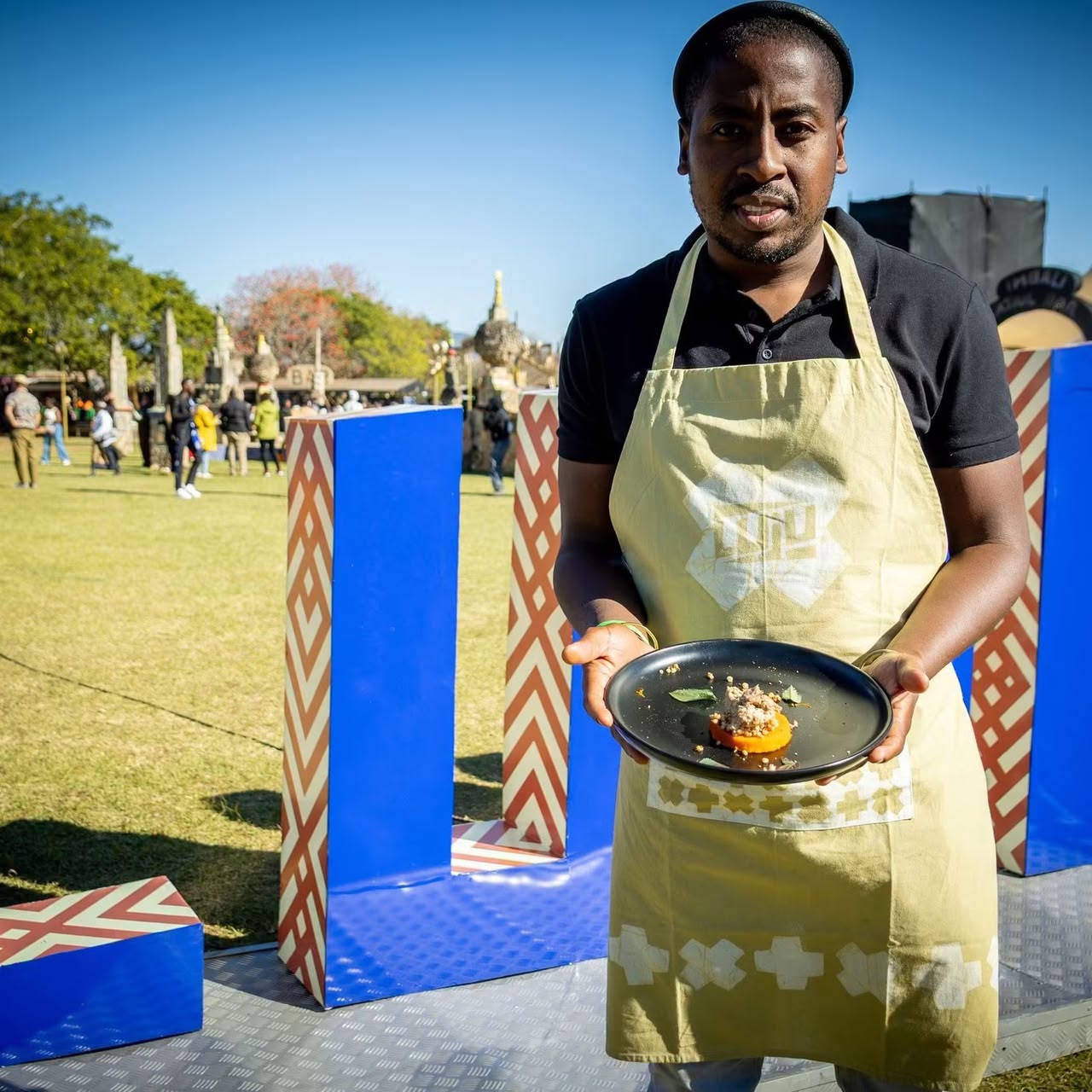
Bruce Ndlovu, Sunday Life Reporter
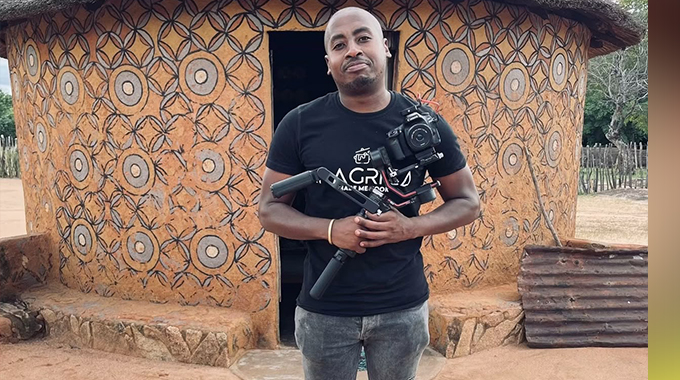
WHEN Prince Sivalo Mahlangu uploaded the first Magriza Made Me Cook (MMMC) video on February 21, 2020, he could hardly have imagined that the modest food project would, six years later, evolve into a cultural platform documenting Zimbabwe’s heritage through food.
What began as weekly online content has now grown into a structured, television-style production, with the second season launched last week at the National Art Gallery.
Yet the growth of MMMC has not been without pain.
Behind the increasingly polished production is a story of personal loss, perseverance and an enduring promise to preserve the culinary traditions that Mahlangu inherited from his grandmother, Magriza, after whom the show is named.
Magriza died in 2024, bringing a painful interruption to a project whose identity was deeply intertwined with her influence. Then, in the middle of production for the first season, Mahlangu lost his father on February 1, 2026.
The two losses could easily have brought the project to a halt.
Instead, they appear to have deepened its purpose.
“Losing my grandmother (Magriza) in 2024 was a painful shift, but I am profoundly grateful for the time we shared,” Mahlangu said.
“Her presence, teachings and spirit were captured across so many of our early documentaries, ensuring that her legacy lives on through our screens.”
Magriza was more than a name attached to a programme. She was the beginning of Mahlangu’s relationship with food and the cultural memory attached to it.
“I will forever be indebted to her guidance — she is, after all, the reason I began cooking in the first place,” he said.
The loss, however, meant that production slowed during 2024 and 2025 as Mahlangu and his family processed their grief.
By 2026, he felt ready to return.
The decision to come back was not simply about reviving a television project. It was about stepping back into the light with a renewed determination to document the heritage that had shaped him.
“When I uploaded that first video in 2020, I made a promise to myself that I would keep going no matter how difficult it got,” he said.
“I knew that preserving our culinary traditions and promoting our heritage was a necessary cause.”
That promise has taken MMMC a long way.
For six years, Mahlangu and his team produced content weekly, although he admitted that the work was sporadic and lacked the cohesion of a conventional television programme.
That changed this year when the project was deliberately transformed into a seasonal format.
Season One became an ambitious 12-episode exploration of Bulawayo’s culinary and cultural landscape, travelling through townships such as Mzilikazi, Emganwini, Nketa and Cowdray Park while also delving into spiritual heritage, gastronomy and Chief Dakamela’s Cultural Festival.
The experience confirmed for Mahlangu something that had perhaps been apparent from the beginning: food is not merely something Zimbabweans consume. It is a vessel for memory, identity, language, geography and belonging.
“This journey reinforced that food is one of the most power-ful repre-sentations of who we are, whether in Nketa 7 or at Emawabeni in Esigodini,” he said.
The response to the first season surprised even its creator.
Mahlangu said reviews were still coming in long after the 12 episodes had finished airing, while the discipline required to deliver a consistent weekly production taught the team valuable lessons about structure, commitment and sustainability. But moving from spontaneous online content to a television-style production also came with its own difficulties.
There were technical hurdles, financial pressures and the often complicated task of coordinating guests while producing on the move.
Then came the death of Mahlangu’s father.
“Stepping away from the project during such a deeply personal loss was hard, but taking that necessary break allowed us to process, regroup and return with renewed purpose before launching the season,” he said.
That renewed purpose is evident in Season Two, which Mahlangu says represents a significant departure from what audiences have previously seen.
The new season moves beyond simply documenting recipes and ingredients, embracing more immersive storytelling and cinematic visuals intended to reveal the depth and beauty of Zimbabwean gastronomy.
The journey has also become geographically broader.
As the team travelled across the country, the lens expanded to include indigenous languages, landscapes and the human connections that transcend regional boundaries.
It is a shift that positions MMMC not merely as a cooking show, but as a visual archive of Zimbabwean life.
Mahlangu’s greatest achievement may therefore lie not in making food entertaining, but in making culture accessible through it.
A plate can tell the story of a place. An ingredient can carry the memory of generations. A recipe can become a bridge between the present and a past that is increasingly vulnerable to being forgotten.
For Mahlangu, that mission has become increasingly personal. The death of Magriza could have closed the chapter but instead, her absence has become part of the story.
Her teachings remain embedded in the programme, while her name continues to introduce audiences to a project born from the relationship between a grandmother and a grandson.
His father’s death, meanwhile, forced another pause, reminding him that cultural preservation is ultimately being undertaken by people who are themselves living through the very changes they seek to document.
Mahlangu has not navigated those losses alone. He credits his production team as his “bedrock”, while his online audience has become something more intimate than a conventional following.
“I owe special thanks to Chef Kudzai, whose deep knowledge and natural storytelling ability made him an invaluable pillar for this season. I am also immensely grateful to Alington Ndlovu and Arnold Mayibongwe Nkala from the Amagugu International Heritage Centre for endorsing and supporting the new direction of MMMC. Above all, my family, particularly my sister Bathabile
‘NaAbongwe’ Ncube, has offered unwavering support every step of the way,” he said.
Mahlangu says he never anticipated that MMMC would become a movement recognised by influential leaders across Zimbabwe or that its work would find a place as a cultural repository in the national archives.
Perhaps more importantly, he says the project has found a place in the hearts of ordinary viewers.
“Honestly, I never anticipated that MMMC would grow into a movement celebrated by influential leaders across the country,” he said.
“Knowing that this work has evolved into a vital cultural repository in our national archives and more importantly, held a special place in people’s hearts, is both humbling and deeply fulfilling.”