admin
admin
Leonard Ncube in Dubai, UAE
THE 28th United Nations Framework Convention on Climate Change (COP28) has called for increased involvement of indigenous communities and nature-based solutions in climate action.
COP28 started on 30 November and ends on Tuesday, with the last half of the conference dedicated mostly to ministerial engagements where decisions will be made and some deals sealed.
Environment, Climate and Wildlife Minister Mangaliso Ndlovu is among environment ministers attending the climate summit which is seeking solutions to the threat posed by global warming.
Speaking at a meeting hosted by the International Fund for Animal Welfare (Ifaw), Minister Ndlovu said Zimbabwe faced a dilemma in addressing human-wildlife conflicts in communities that were already affected by extreme weather conditions such as droughts and floods.
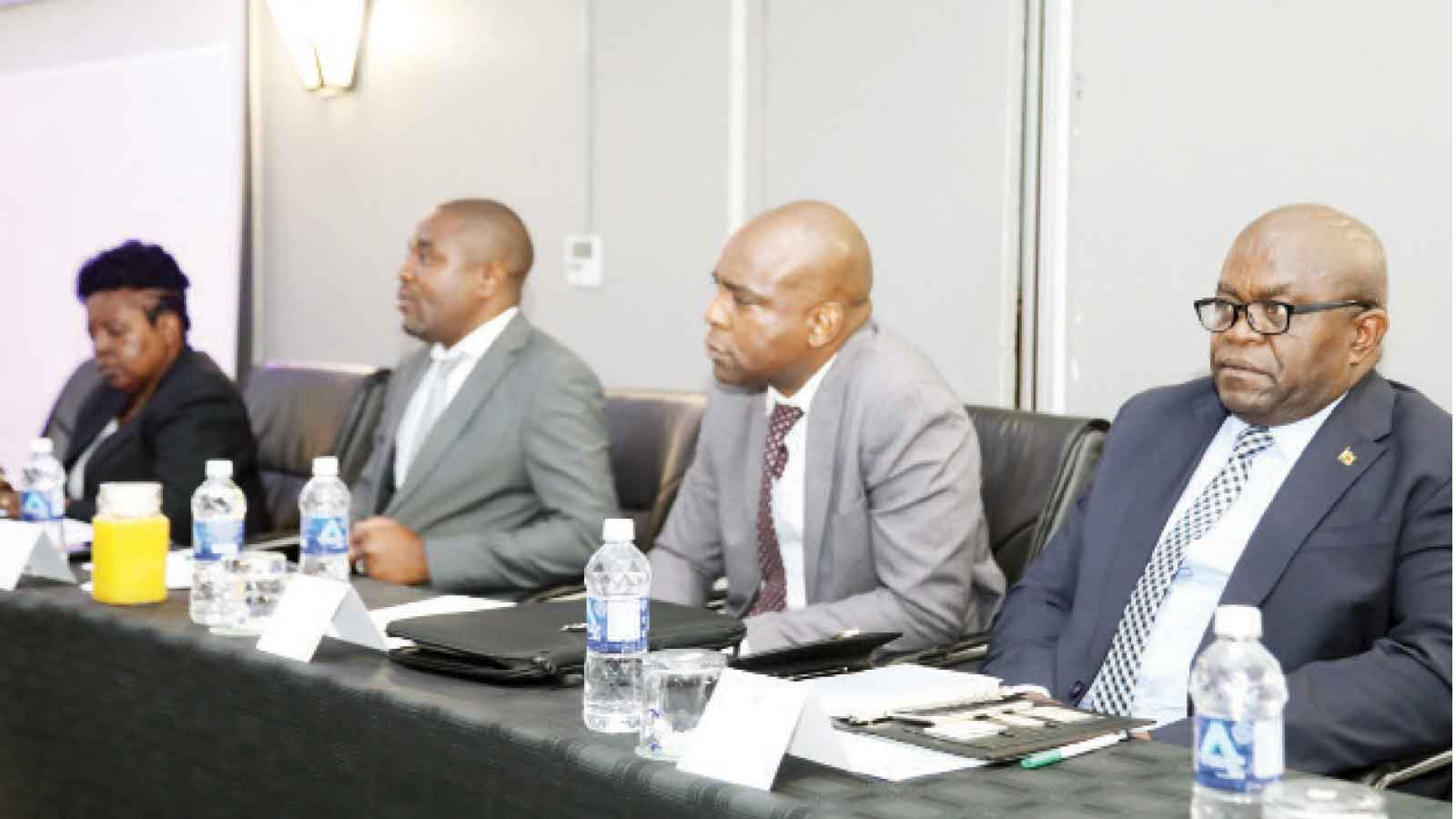
Other Ministers were from Malawi, Mozambique and Kenya.
Ifaw has a longstanding relationship with the Government of Zimbabwe for wildlife conservation and human-wildlife conflict management in Hwange National Park through Zimparks.
“We have communities near national parks which are already affected by the predicament of bad weather conditions and need our intervention as they face droughts, floods and conflict with animals,” said Minister Ndlovu.
He paid tribute to Ifaw and other partners helping with conservation work in the country.
Minister Ndlovu said Zimbabwe, with an overpopulation of elephants, had scored significant elephant conservation success especially in the conservation areas like Kaza Transfrontier Conservation Areas (TFCA).
He said Zimbabwe had clear aspirations on wildlife conservation, particularly elephants, and the need to address human-wildlife conflict.
Other Ministers from the region were also grateful to the work Ifaw was doing to complement Government efforts to address pressing conservation and climate issues and supporting intervention measures.
During the discussions, participants called for placing of nature at the centre of the climate action and global stock take and all countries to push for nature -based solutions to anchor mitigation. Africa’s wildlife and biodiversity were being impacted badly by climate change.
All nations needed to scale up conservation of sinks and reservoirs including in wildlife protected areas and look at how communities could benefit from the natural resources, with the emerging carbon credits in mind.
The meeting noted that wildlife conservation was directly affected by climate change.
Therefore conservation was supposed to be prioritised while the role of wildlife in the climate negotiations could not be overemphasised.
Participants noted that nature was supposed to be part of the global stock take and climate action discussions.
Speaking at an earlier side event, Ifaw vice president for global programmes and international giving, Mr Jimiel Mandima, said nature had the capacity to store carbon which was causing global warming hence investing in the environment would help in climate action.
“If we have clean air, we are able to adapt and restore. If we don’t invest in nature and biodiversity, we are certainly ignoring a low hanging fruit of how wildlife and nature are unsung heroes that are able to protect and help in climate action.
“We are reinforcing that for us to be able to build a resilience landscape and marine, we need to take good care of the investment that has already happened in nature and there are communities that exist and how to ensure what we do can allow co-existence with wildlife.
“So the message here is let’s work with local communities and the private sector so that together we can make sure that wildlife counts in action,” he said.
Mr Mandima said the interconnectedness of marginal land units and community made nature functional to restore the environment and this could be enhanced through food productive systems and climate smart activities.
Ifaw is implementing the room-to-roam initiative which focuses on how wildlife, especially savannah elephants, can move beyond individual transfrontier areas.
Africa has a unique biodiversity advantage which the continent can leverage on in climate action negotiations to garner financial support from the international community.
Mr Thomas Sberna form the International Union for Conservation of Nature said there was a need to build capacity in the local communities while Dr Leigh Winowiecki from the International Centre for Research in Agroforestry said community centred climate interventions were critical for addressing climate change, mitigation and adaptation hence the need to place communities at the centre of climate action.
Ms Laura Yawanawa from the Union of Nature Foundation reiterated the importance of indigenous people in protection of ecosystems.


 Online Reporter