admin
admin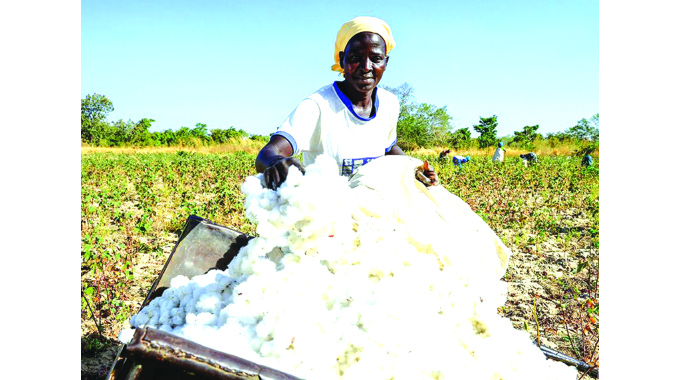
Ashton Mutyavaviri
A COMPREHENSICE judging process to select Cotton Grower of the Year in all cotton growing provinces is underway with winners set to be unveiled at the Zimbabwe Agricultural Show, which is set to run for six days from August 26 to 31 this year.
The Cotton Company of Zimbabwe (Cottco) will work closely with the Zimbabwe Agricultural Society (ZAS), the Agricultural and Marketing Authority (AMA), the Agricultural and Rural Development Advisory Services (ARDAS) and farmers’ unions representatives to do the vetting.
In a recent post on X (formerly Twitter), Cottco said: “This annual exercise celebrates and rewards the nation’s top-performing cotton farmers, recognising their dedication and excellence in the field.”
Cotton plays a central role in the transformation of communities in the context of climate change, as Zimbabwe and Southern Africa are predicted to be much drier in the coming years.
Cotton is a major source of livelihood for approximately two million people from farmers, farm workers, their families and industrial workers.
The crop contributes immensely to income and employment creation while contributing to foreign currency earnings.
Cotton, the second most important cash crop in Zimbabwe, is grown by thousands of smallholder farmers on average plot sizes of about one hectare in the summer rainfall growing season (November to April).
Meanwhile, the Crop, Livestock and Fisheries Assessment Report 2 (CLAFA) of 2023/24 season had it that the cotton production this season is estimated at 40 221 tonnes, a 74 percent decrease compared to 152 472 in the 2022/23 season.
The country’s once-thriving cotton industry faced its worst season in years, with production plummeting due to the devastating effect of the El Niño-induced drought.
The long dry spell, characterised by high temperatures and erratic rainfall crippled the cotton crop, leaving many fields barren.
Cotton is a vital cash crop for Zimbabwe, generating significant export revenue and supporting numerous downstream industries like textile manufacturing.
The decline in production will not only impact farmers but also has a ripple effect on the broader economy.
Negotiations for the 2024 cotton prices are yet to yield results with the Agricultural Marketing Authority (AMA) engaging ginners and farmers to discuss and determine prices, grading modalities and necessary adjustments.
Cotton Producers and Marketers Association (CPMA) chairperson Mr Stewart Mubonderi said the negotiations were meant to address farmer viability issues in the industry and make necessary grade adjustments.
The cotton industry provides employment to approximately 60 000 individuals employed in ginneries, spinning, transport and logistics services, said Mr Mubonderi.
The sector has evolved from accounting for only one percent of the commercial agriculture output in 1965 to about 10 percent to date. Though it was not exported then, cotton is currently a major source of foreign currency with 70 percent of the crop produced being exported.



 Online Reporter