Chronicle Editor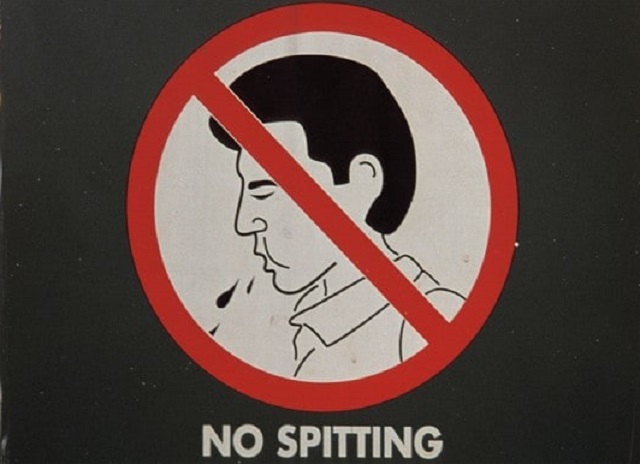
Justice Simango
Apparently people often fail to understand that the idea of doing something and stopping others from doing it are interdependent.
As it is the case with so many social problems, it is wiser to prevent them from occurring in the first place instead of using square plugs on round holes and apply the criminal justice system to address them after they’ve occurred.
In 2010, the United Nations General Assembly declared sanitation to be a basic human right, and some countries seem to take the declaration into consideration very well.
But, sadly, in our own backyard, elected officials don’t seem too interested in solving a problem that everyone encounters.
Around one billion people in the world today face the indignity of spitting in the open, but those who want to talk about spitting are rather few. For some it’s a moral crime but in countries like Singapore, spitting in the street is a revenue generator for the state. Anyone caught spitting in the street is caned plus a heavy penalty or fine. The government prioritizes the quality of life, peace and order, the benefits of the people and the economy follows.
There are literally hundreds of tickets that are issued in Zimbabwe for public urinating, drinking, fighting, vandalism, graffiti, and so on, on a yearly basis, and I think it’s starting to clog up the dockets.
We have laws which list the offences that can be committed on public areas, but the issue can not be solved by merely blaming everything on the police and moving on. There is also a need to raise our voices against it, only then can a slow but sure change be brought about.
It is true that nature’s call is not something to be avoided but spitting is just gross! And disgusting! Whatsoever you are spitting, it’s unprofessional, and it puts a permanent dent on your identity. The habit of spitting everywhere is a microcosm of a global sanitation crisis that grossly affects third world countries.
We hear more voices opposing the imposition of penalties on spitting than we do supporting them, though broken windows enforcement has been criticized for unfairly targeting poor and nonwhite people. Will spitting fines groom our people effectively? I believe people can learn how to preserve good order in the society.
Another different class of people who suffer from excessive saliva production like hyper salivation also known as sialorrhea spit more frequently, and the difficulty of finding a private place to go can result in suffering and humiliation. An inability to keep saliva in your mouth may be caused by poor head and lip control, poor tongue mobility, poor teeth alignment, nasal blockage among other causes.
In the same vein, people who suffer from defecating disorders are in need of more public restrooms. There are sites of social and sexual anxiety, a place where rigid gender norms are reproduced. The toilet is where our most animal selves roar to the fore, sometimes unexpectedly.
Paying no attention to the needs of the above classes of people will remain a direct consequence of poor sanitation.
In an effort to roll back excessive broken-windows policing, reducing or increasing criminal penalties, however, fails to address the root causes of spitting.
Citing people for public spitting or urination criminalizes someone for doing something that society, the state and the market effectively encourages by making public restrooms scarce.
That’s a hallmark of broken windows policing: punish low-level crimes that are born of necessity or, sometimes, just understandable convenience. The Singaporean government punishes people for littering, taking drugs before you enter the country, same sex relations, singing songs with obscene lyrics, chewing gum, playing an instrument in public areas and many other obscene acts.
If we don’t want our peers to pee or spit on the street, we must provide alternatives. People can learn and be responsible for their surroundings. Instead of crafting policies to charge offenders at the expense of our sanitation, why not channel fewer resources to educating them.
However, there are rationales for a renaissance in public restroom construction grounded in questions of social justice. The most obvious: homeless people who have no home in which to urinate or defecate are punished effectively for being homeless though some may also be urinating or spitting on the streets because they are mentally ill.
The wealthy can often pee in private businesses even if they aren’t shopping, whereas people who work or live on the streets like sex workers, cabbies, street vendors, and homeless people have to make do creatively.
Nevertheless, it remains unclear weather law and order penalties and fines can be a panacea to the victims of pollution.
You do not want to be identified by spitting. Flush and forget the habit of spitting everywhere!!
Justice Simango is a Business Etiquette and Grooming Consultant who writes in his own capacity. He is a member of Toastmasters International.
Feedback: [email protected], WhatsApp: +263 717 566 382



 derick.khumalo