admin
admin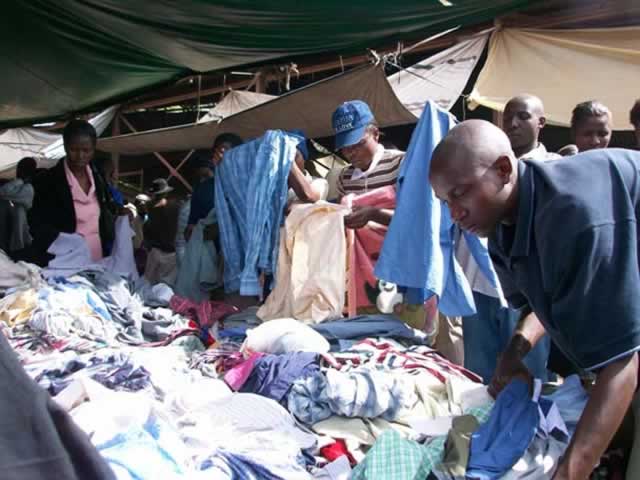
Farirai Machivenyika Senior Reporter—
HARARE City Council has annou-nced a US$369,3 million budget for 2014, which will result in tariffs and charges being revised downwards, while ambulance, hospital and burial fees will remain static. Presenting the budget yesterday, chairperson of the Finance and Development Committee Councillor Allan Markham said the city would strive to widen its revenue base.
The budget is made up of US$273,7 million in revenue, while US$95,6 is for capital projects.
Salaries will gobble 48 percent of council’s expenditure, followed by general expenditure with 26 percent, repairs and maintenance nine percent, administration charges eight percent, while revenue contribution to capital outlay is three percent.
“It is council’s intention to raise the projected amount of US$274,6 million required to finance the envisaged 2014 annual expenditure totalling US$273,7 million without increasing tariffs, charges and fees for the fourth year running,” said Clr Markham.
“In other words, your council is proposing that the 2014 budget be a standstill budget once more. It is council’s intention to continue to widen the current revenue base by including all rateable properties not yet on the valuation roll and ensuring that the bulk of treated water reaches the intended customers.”
Fixed water charges for domestic users in high-density areas will be reduced from US$5 to US$4, while for those in the low-density areas the charges will go down from US$11 to US$9.
Similar reductions will also be implemented for sewer charges.
Fixed water charges in industrial areas will go down from US$80 to US$50, while sewer charges will be reduced from US$15 to US$13 in the same areas.
Vendors at Mupedzanhamo flee market will pay US$60 down from US$80, while those at Mupedzanhamo B market will fork out US$45 from the current US$65.
Vegetable vendors at Mbare wholesale market will pay US$25 from US$35, while those at the old wholesale market will now pay US$20 from US$30.
Clr Markham said council would also work towards reducing water leakages by revamping the water distribution network.
“The city further targets to substantially reduce non revenue water by revamping both the water and sewer pipe network in tandem with the installation of pressure reducing valves,” he said.
“Zone valves will also be installed to enhance water distribution and management. Rehabilitation of sewage treatment works such as Firle and Crowborough is ongoing under the African Development Bank facility and the advent of the loan from the Exim Bank of China will see more work being carried out at the treatment works.”
Council recently received US$144 million from the Exim Bank of China to refurbish its water and sewer works, including Morton Jaffray Water Treatment Plant, the major one for the city.
Clr Markham said the 2014 budget would also capacitate the road maintenance section in the department of Engineering Services.
“The 2014 budget provides for the total capacitation of the road maintenance sections in the department of Engineering services by putting into place fully capacitated zonal teams and in that regard over US$50 million will be required in the budget year,” he said.
“Zimbabwe National Roads Authority will be approached to contribute substantially towards the envisaged programme.”
The city has a road network of approximately 4 000 kilometres of surfaced roads which are in a poor state due to lack of maintenance.
Clr Markham said the city intended to have a refuse collection truck for each of the council’s 46 wards with at least six others being on standby.
He said US$1,5 million has been set aside to buy fuel for refuse collection programmes.
Council, Clr Markham said, had plans to develop new burial sites and refurbish cremation facilities and has set aside US$140 000 and US$110 000 for that.
Of the US$95,6 capital budget, US$83,5 million will go towards sectors in the Environmental Management Committee, US$3,2 million to education, health, housing and community services sectors and US$8,9 million to sectors under the Finance Committee.
Clr Markham said in his recommendations that all heads of departments for the council should stick to their budgetary allocations, while implementation of projects be done only when funds were available.
The budget was crafted a stormy consultation exercise with the residents that at times saw disagreements leading to meetings being abandoned.
But the council held fruitful meetings with residents and the business community who presented their proposals.


 Online Reporter