Chronicle Editor
Vusumuzi Dube, Online News Editor
BULAWAYO City Council (BCC) employees have demanded that their salaries be indexed in foreign currency with the local authority given the option of paying at the prevailing auction rate as per the last Tuesday of the month.
This comes at a time that the local authority is already indexing residents’ bills in foreign currency, with the residents having the option to pay in local currency using the prevailing auction rate on the date of billing.
Council employees through their representatives said they wanted their employer to peg the lowest paid worker’s salary at US$500.

“The quarterly negotiations were agreed upon as a strategy to mitigate extreme erosions due to economic meltdown. Despite quarterly negotiations, workers are still languishing in poverty due to the loss of value Zimdollar versus the United States Dollar. BCC has also come up with a plausible strategy to index rates as per USD rate. The strategy should be adopted as well in the payment of the workers’ salaries. Therefore, the union submits that salaries for the lowest paid worked be pegged at US$500 per month and should be paid in ZWL indexed per USD and be paid at the auction rate as per the last Tuesday of each month,” reads part of a position paper from the council employees.
The workers also called for an increase in the cost-of-living adjustment in USD from the current US$36 to US$250 with effect from last month. However, council management has since rejected the workers’ demands arguing that while the indexing of bills in foreign currency was in effect since June, inflows were still significantly low hence the workers’ position was financially unsustainable.

“The Finance Director (Mr Kimptom Ndimande) in a memo reported that revenue collection was still far much lower than expected since the consumers were still resisting the new billing system. The figures proposed in the Union’s Position Paper would increase the wage bill to $2.9 billion while the collection currently stands at $2.4 billion which is far much lower than the proposed increment and this would not be sustainable. The Finance Director also advised that it would not be prudent to increase salaries until the cash flows improve,” reads part of a council report on the matter.
Council management therefore deferred the consideration of the position paper to the end of this month where the local authority’s revenue collection would be further analysed to ascertain the feasibility of the adjustments.
“The matter was considered and the Assistant Human Capital Director explained that after receiving the position paper from the union, liaisons had been made with the Financial Services Department which advised that Council did not have the fiscal capacity to fund salary increments. The Deputy Financial Director further explained that Council’s cash flows could not accommodate any increments Considerations would be made in December after paying bonuses in November,” reads the report.
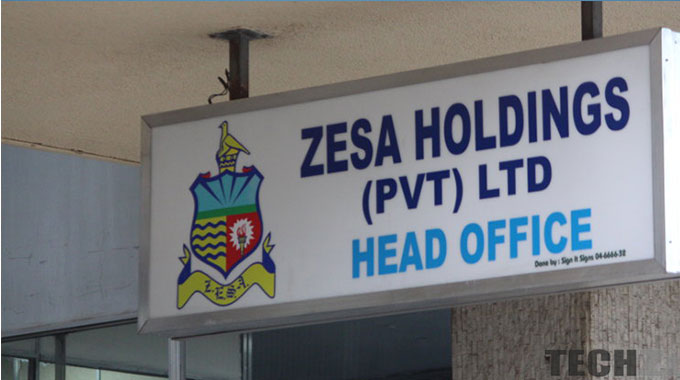
Meanwhile, according to the last council report, consumers owe the local authority a total of $27.4 billion while it owes its creditors $4.3 billion, with debtors increasing by 21 percent.
“Debtors increased by 21 percent while creditors increased by 220 percent. Council is running the risk of being unable to pay the creditors as gap between creditors and debtors is narrowing. Management is seized with setting up the debt management unit which will improve collections. Zesa is the largest creditor at 64 percent, followed by taxes and trade creditors at 13 percent, salary creditors five percent, salaries and allowances; four percent, the Local Authorities Pension Fund; five percent and other creditors are below three percent of the total creditors figure for the month,” reads the council report.



 Online Reporter