admin
adminthe fiscus is dry and cannot finance operations of local authorities.
He made the remarks on Tuesday while addressing Bulawayo City councillors at Town House who are on a visit to Harare.
Mayor Masunda said councils should generate their own money and stop wasting time crying over what Government should do for them.
“We should stop looking at central Government for support. The fiscus is empty,” he said.
Local authorities, especially Harare and Bulawayo, had a lot of assets that should be “leveraged” and “made to sweat” to generate money for operations.
It was time that local authorities shared expertise in budget formulation and in areas of service delivery.
He said Harare had decided to seek offshore loans to upgrade its water and sewer plants. The city recently got a US$144 million loan from the China Import and Export Bank.
Town clerk Dr Tendai Mahachi told the councillors that he was not too keen to pursue Mr Masunda’s reclamation of the Harare Thermal Power Station. “I am telling my mayor to put breaks on the power station. The equipment is very old,” he said.
He said Zesa Holdings was not against returning the power station to Harare but an analysis of the equipment had shown that it was too old and not very economical to operate.
Mr Masunda has set the “return” of the thermal power station to Harare as one of his major priority projects.
The Bulawayo councillors were later taken on tours of Harare’s water and sewer infrastructure for them to get an appreciation of developments in the capital.
Addressing the councillors at Firle Sewer plant, Harare Waste Water manager Engineer Samuel Muserere, said the city was discharging 60 percent of raw sewer into Mukuvisi River because it was still upgrading its capacity to treat the entire raw sewer.
Only 54 mega litres of treated sewer out of a capacity of 144 megalitres is being treated. When the city took over management of the sewer plant from Zinwa it was completely down.
Mr Sydney Hambira, the technical director of Sidal Engineering – the company that is refurbishing and repairing part of the Firle plant, said he needed another 12 months to completely refurbish the sewer plant.
“We will be here for another year. We have done more than 50 percent of the work,” he said.
The city is due to commission another biological nutrient remover unit with capacity to treat 72 mega litres.
A fully functional Firle Sewer Treatment Plant would mean Harare would use less water treatment chemicals, improve the quality of the water as well aquatic life in the river and Lake Chivero.


Online Reporter
- Chronicle , SundayNews
- July 28, 2026
- 3 views
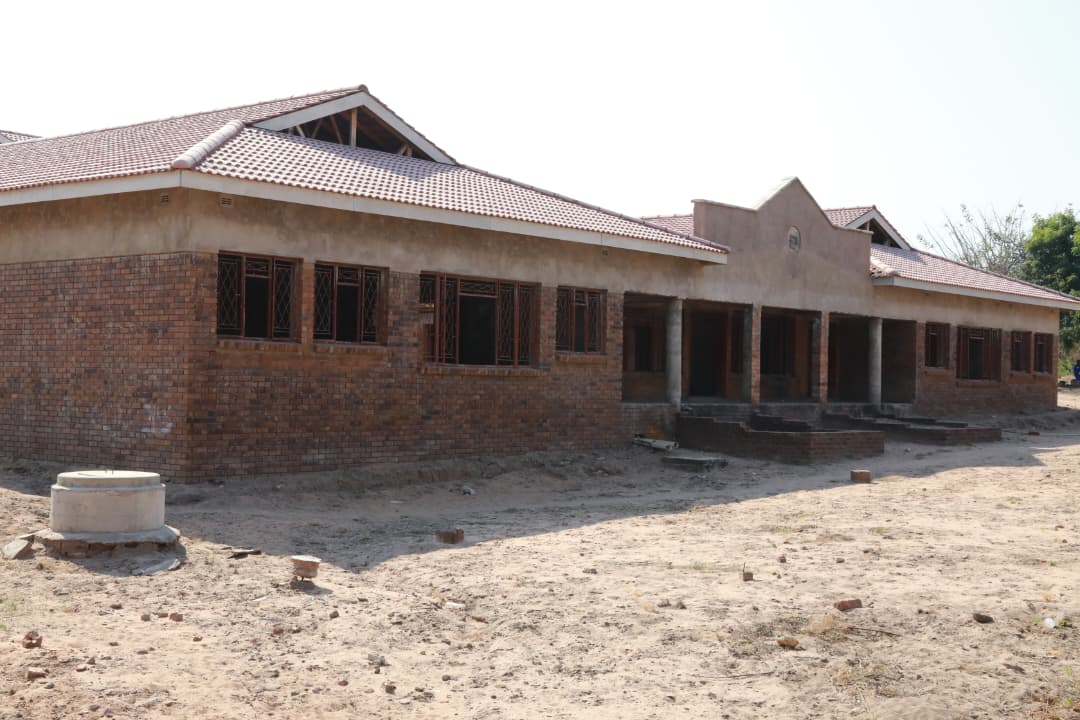
Binga Civil Registry office to offer passport services as project nears completion
Sikhumbuzo Moyo, [email protected] Government is constructing a Civil Registry office in Binga that will offer passport services, bringing essential documentation closer to residents, with the project now about 70 percent…