admin
admin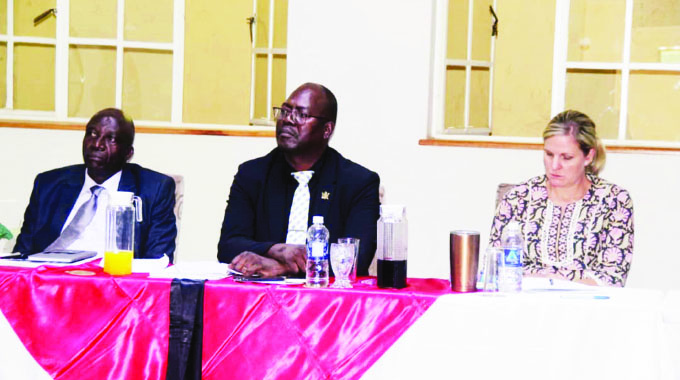
Ellina Mhlanga Senior Sports Reporter
MINISTER of Sport, Arts, Recreation and Culture Kirsty Coventry has said some of the major issues they are focusing on during the Ministry’s strategic planning workshop include sporting infrastructure in the country.
The workshop, which is running until Friday, got underway at Pandhari Lodge yesterday and will focus on different sectors under the ministry.
“I think the biggest topic at the moment on the sports side is going to be our infrastructure. We know that’s always been a hot topic. We know that’s always been an issue for the past 15, 20 years. But I want there to be real focus on that.
“And when I talk about infrastructure, it’s all of our infrastructure — new or old, whether we need to renovate or completely build from new, what that looks like, what plans, what engagement because engagement is going to be key,” said Coventry.
Lack of infrastructure that meet international standards has over the years been a concern and currently the failure to host international football games because no stadium meets CAF standards will see the Warriors hosting Nigeria in Rwanda in the World Cup qualifiers.
Coventry said there is need to explore various avenues for funding and engagements to address the situation across the board.
“We cannot just rely on government funding for that and I think we have heard that even from the Honourable Minister of Finance when he was responding to the questions that were raised last week in Parliament when the Ministers were presenting to our honourable Parliamentarians.
“There has to be proper engagement and strategies put in place to open up PPPs (Public-Private Partnerships). What does that look like?
“Also when we are talking about infrastructure we (are) still in an old mind of thinking of doing business, that government and ministries must own these things. Again we create an enabling environment for the structures to be built. We can get a lease; we don’t need to manage.
“I have no one in my Sports Ministry that is an engineer that can go into the National Sports Stadium. We have to rely on the Ministry of Local Government and outside people to come in and give us those experts . . . So what I am hoping (for) is that the discussions will lead into how we start that engagement,” said Coventry.
Another topical issue to be looked into is prioritising of sport codes based on their potential as the country seeks podium performance at major competitions.
“Secondary is looking, as I said, into prioritising our sports. What sports should we be targeting? How are we going to prioritise those sports?
“Again it’s not to say we will not fund other sports. But we need to be very proactive in what sports we are prioritizing; what does that look like? Which sport should they be?
“We know that our women’s netball has huge potential . . . Netball is going to be one of those sports. The other sports I am not going to pre-empty. I have a few ideas.
“But again it has to come down to the data, it has to come down to the science and we have that, we (have) just not been using it.
“It always comes up resources, we need more money but actually we can achieve a lot with not that much if we choose to be deliberate about what we are going to support and how,” said Coventry.
The strategy is looking at how the ministry will operate in 2024 to 2025 and is being attended by directors of parastatals and the Ministry’s departments.
Permanent secretary in the Ministry Nicholas Moyo said there is need to put in place measures that cushion and empower athletes and artists during their prime and upon retirement or incapacitation.
“Drug and substance abuse, sexual harassment, injury and death prey on athletes and artists and as administrators. We must put in place programmes to safeguard our athletes and artists, who are our ambassadors on and off the field and stage,” said Moyo.
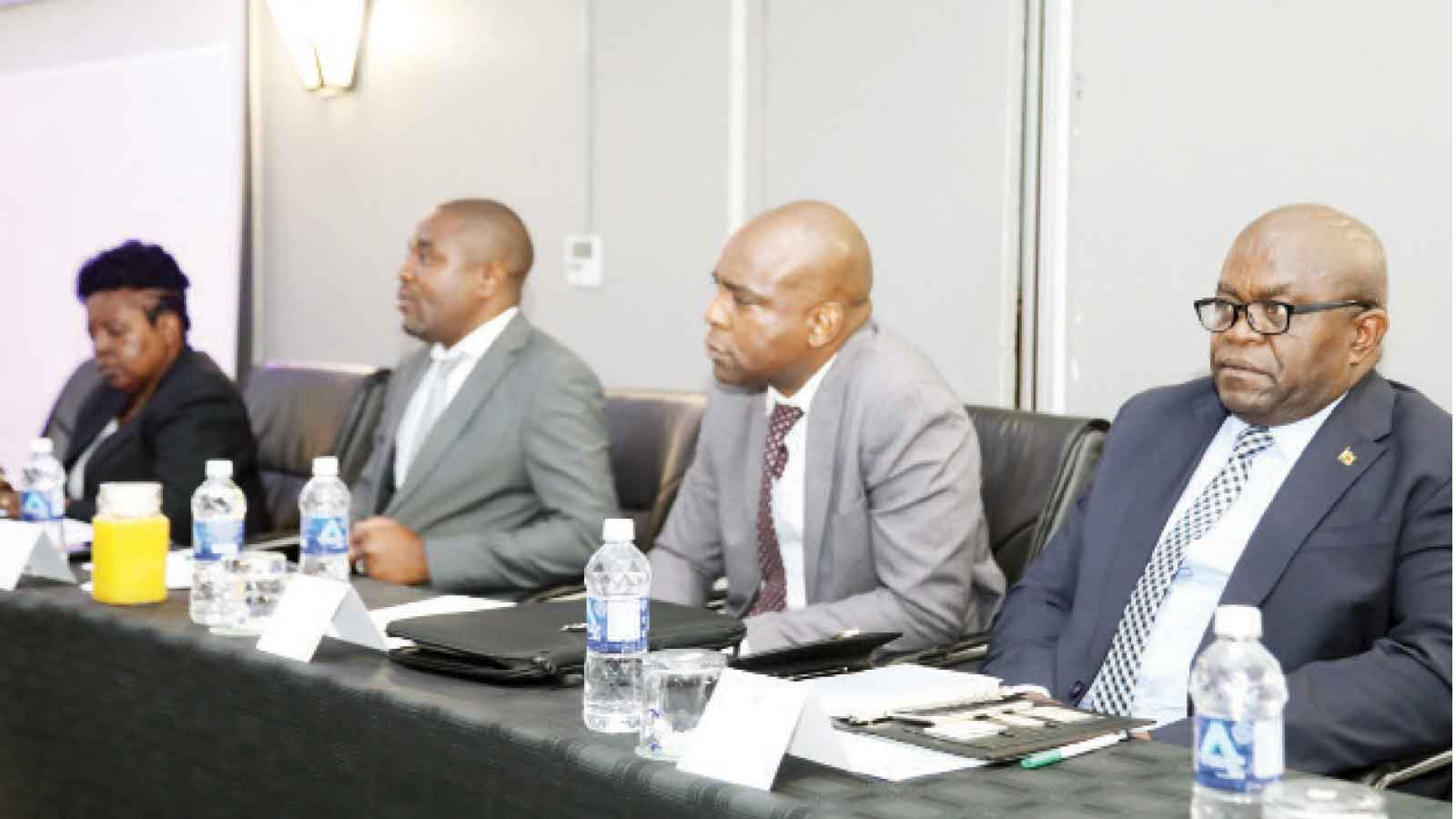
Some of the participants included Sports Commission director general Eltah Nengomasha, who said it is always important to regroup and restrategise.
“The workshop is crucial in the sense that strategy always guides performance and direction. It’s important that as a sector we regroup and restrategise so that we are able to concentrate on key things, key deliverables that have impact.
“So I am particularly excited about this because strategy always guides the foundation for any successful sector be it a business, be it a corporate, its strategy and if the strategy is done right and properly and if the pillars are properly identified and structured then it means that the future is bright for Zimbabwe,” said Nengomasha.
Yesterday’s session was also attended by the Permanent Secretary in the Ministry of Tourism and Hospitality Industry Takaruza Munyanyiwa and Sports and Recreation Commission chairman Gerald Mlotshwa


 Online Reporter