Nyasha Simbisai in BULAWAYO
GOVERNMENT has released initial funding for the construction of the Cowdray Park Water Treatment Plant, with the US$81.3 million project expected to take 12 months to complete once adequate financing is secured, Agriculture, Mechanisation and Water Resources Development Minister Dr Anxious Jongwe Masuka has said.
The facility forms part of the broader Gwayi-Shangani Dam water supply scheme, which is projected to provide Bulawayo with a reliable water supply by the 2028/2029 period, subject to funding availability.
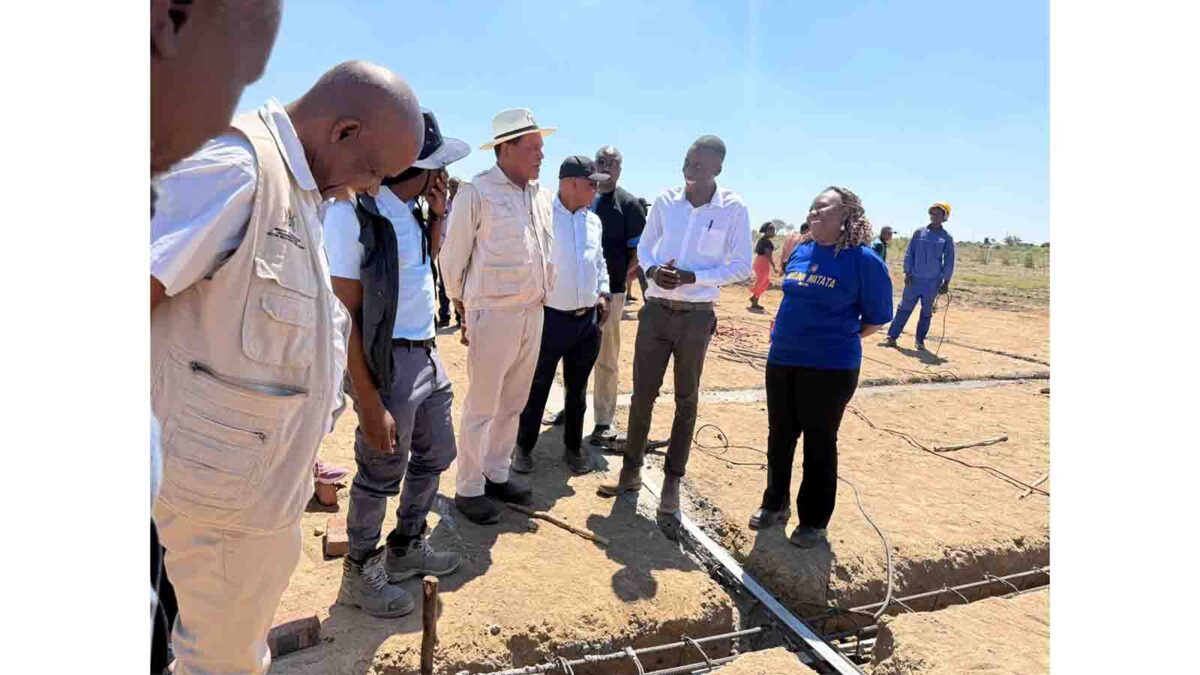
Speaking on Wednesday during a tour of the site, where preliminary works including site fencing and staff accommodation are underway, Dr Masuka confirmed that the plant will boast a daily treatment capacity of 240 megalitres.
“Today we are touring the Cowdray Park Water Treatment Plant proposed site, and what we have seen now is site establishment by the contractor,” Dr Masuka said. “They are actually doing the works to complete accommodation for their workers, but also construction so that the resident engineers can be on site.”
He added that the treated water will be conveyed 10 kilometres to Magwegwe for redistribution, providing the city with a three-day reserve.
“The pipeline is coming at 240 megalitres a day. The treatment works are at 240 megalitres a day,” he said. “So then we convey 10 kilometres to Magwegwe, and from there redistribute into the city. At any stage, we will have three days’ supply.”
The proposed capacity significantly exceeds Bulawayo’s current daily demand of approximately 165 megalitres.
“Bulawayo requires 165 megalitres a day currently, but this unit alone at Cowdray Park will be 240 megalitres,” Dr Masuka noted. “We expect that Bulawayo and Gwayi-Shangani will have enough water by 2028 or 2029 if the funding comes as promised. Funding is always a challenge, but from the technical level, we are prepared as the ministry.”
He urged Treasury to maintain planned disbursements to prevent construction delays.
“We continue to urge Treasury to continue to release the funds as planned so that Bulawayo can receive the water from Gwayi-Shangani, which is the long-term plan,” he said. “It will take us a year to complete this plant if we receive the financing from Treasury as planned.”
In the interim, the Government is working to increase pumping capacity from Nyamandlovu from 20 megalitres to between 25 and 27 megalitres daily to support construction activities, while incorporating solar backup systems. Dr Masuka also directed engineers to integrate wastewater management into the final designs.
“I have requested the engineers not just to look at the water into Bulawayo, but also to look at how we are going to deal with the wastewater that’s generated as a result of this. So we will have more comprehensive designs and we’ll then discuss with the City of Bulawayo,” he said.
Zimbabwe National Water Authority (ZINWA) Water Quality Manager, Mr Thulani Sibanda, confirmed that an initial tranche of US$1.23 million had been received to accelerate site works.
“I can confirm that we have received the first tranche of funding for this project. We have received about US$1,23 million. This is going to accelerate all the work that is supposed to be done here at this site,” Mr Sibanda said. “Just as our minister has already indicated, come the 2029 season, we envisage that Bulawayo will be receiving water from this particular project.”