Online Reporter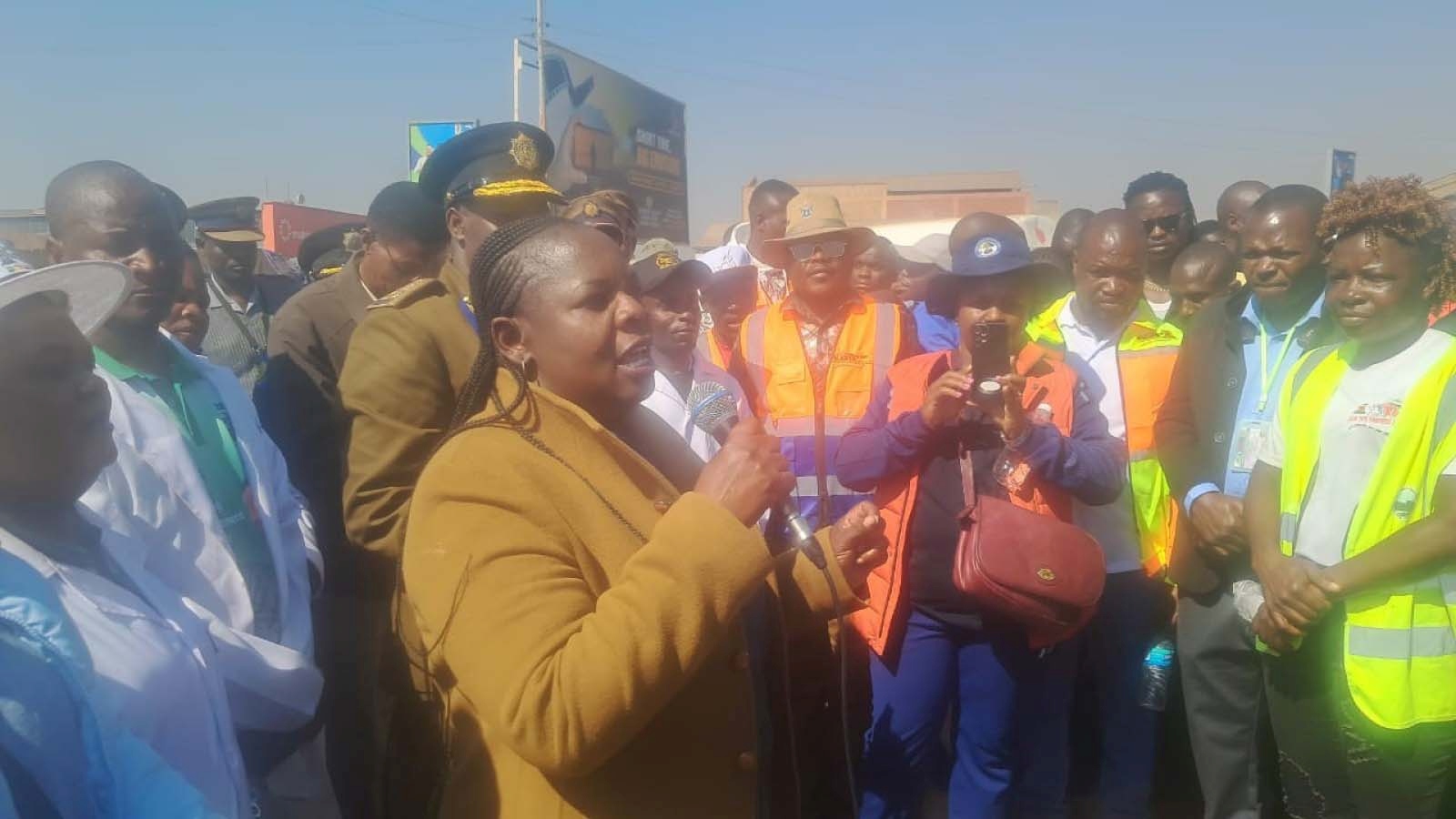
Arron Nyamayaro
TRAVELLERS have been urged to speak up and report any mistreatment they experience at the hands of transporters, touts, and conductors – especially ahead of the busy holiday and rain-day travel periods.
The call came during a Consumer Protection Commission (CPC) awareness campaign carried out on the sidelines of police presence, where officials educated commuters on their rights and the proper steps to take when things go wrong during transit.
The awareness campaigns were conducted at Harare Market Square bus terminus, Harare Showground and Simon Muzenda Bus terminus.
Speaking during the question-and-answer session, a commuter who identified herself as Tendai Takwara said she has witnessed passengers being verbally abused during peak travel times.
“Sometimes when you ask a question or complain about the route, the touts and conductors start shouting at you like you don’t have a right to speak. The campaign is important because we need to know that we can report such behaviour,” Tendai said.
Another traveller, Peter, said he was relieved to hear CPC officials warn passengers against accepting “unfair” receipts.
“I usually just take the receipt because that’s how things are done. But I didn’t know some of the receipts can be written in a way that protects the transporter and ignores the passenger’s losses. If they are not responsible, then what happens when luggage gets damaged?” Peter asked.
CPC Deputy Director Education, Advocacy and Training, Fungai Zinyanduko said travellers should not tolerate verbal abuse from touts and conductors and should instead ensure their complaints are documented and reported.
“The Commission is reminding passengers that verbal abuse is not part of the service. We want travellers to remain calm and protect themselves by reporting incidents early to the proper authorities,” said Zinyanduko.
She also urged commuters to report any transporter who overcharges passengers, warning that illegal pricing practices are common during festive travel and during sudden rain-day movements when demand increases.
“Overcharging harms the public. Passengers should report it – whether it happens for holiday trips or during rain-day travel – so that enforcement can follow,” she added.
One of the strongest warnings from the CPC was aimed at passengers who accept receipts or tickets bearing statements that imply transporters are not responsible for damage or loss of goods packed in buses.
CPC officials said travellers should not accept receipts written to remove the transporter’s responsibility for passengers’ goods, stressing that such blanket exclusions can disadvantage the public.
“Passengers should not be forced to accept terms that deny them protection. Receipts must not be used to shift responsibility from the transporter to the traveler, especially where goods are lost or damaged,” said another Commission representative.
The Commission officials highlighted that music volume must not be higher that passengers cannot communicate well with each other including the conductor and the driver.
“Musakwire makombi kana mabhazi akanyorwa kuti hatidzikise volume yemusic tinodzikisa vanhu.
“Higher music volume does not allow better communication between passengers and drivers leaving other travellers to be dropped at wrong destinations,” he said.
The Commission appealed to the public to report suspicious activities, including transporters overcharging on holiday and rain-day trips, mistreatment or harassment by touts and conductors and attempts to justify losses using unfair receipt wording.
Officials said reports from travellers will help the CPC investigate and strengthen compliance within the transport sector.
“If you are mistreated, overcharged, or your goods are lost or damaged, do not stay silent. Report to the Consumer Protection Commission so action can be taken,” the CPC official urged.
As the campaign continues, travelers have expressed hope that education and enforcement will improve standards and reduce abuses commonly experienced during peak travel periods.
The Consumer Protection Act affords consumers the right to choose goods or services of their preferred choice without any undue influence or pressure from suppliers.
This includes the right to select or reject any particular item from selected goods before completion of transaction and the right to return goods after completion of transaction. Where a transaction is completed, a consumer remains with the right to return goods on discovery that such goods are not of their preferred choice within the shortest period reasonable in the circumstances.
The Consumer Protection Act gives consumers the right to consumer education. This education includes but is not limited to information on the environmental impacts of consumer choices and behaviour and the possible implications, including benefits and costs, of changes in consumption.
Consumers have the right to have their complaints heard before the Consumer Protection Commission or the Courts and further, to seek redress through alternative dispute resolutions provided for in the Consumer Protection Act and any other law. Consumers also have the right to representation by persons of their choice.