


 Vusumuzi Dube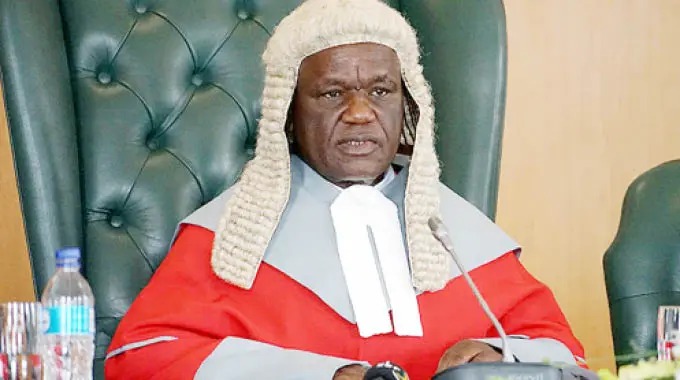
Robin Muchetu, Senior Reporter
A National Council on the Administration of Criminal Justice has been formed in a bid to close criminal cases that remain unsolved for long periods of time that have been worrying the Judicial Services Commission.
This was said by the Chief Justice of Zimbabwe Luke Malaba yesterday at the inaugural meeting of the National Council where he also highlighted that murder, rape, and armed robbery cases were on the increase.
“These matters are not being dealt with timeously by the courts. Accused persons remain on remand for years on end. A large number of accused persons have been awaiting indictment to the High Court for trial periods exceeding three years. Corruption cases are moving slowly,” he said.
Justice Malaba lamented overcrowding in the country’s prisons which he said also gives rise to other challenges, adding that the facilities have not changed despite an upward change in population and rate of crime.
He noted that there was a need to investigate the issue of overcrowding in the prisons to enable corrective measures to take place. Justice Malaba highlighted that bottlenecks in the criminal justice system call for an effective multi sectoral approach for their resolution.
“Whilst there are in place, stakeholder committees at district and provincial levels that routinely meet to address issues besetting the criminal justice system, there is no effective cooperation and coordination at higher levels of decision-making of the activities of the different players in the criminal justice system. The problems besetting the criminal justice system remain. Each of the different stakeholders performs functions independent of the other hence the system is fragmented,” he lamented.
He highlighted that such practices have given rise to the need for the formation of a National Council on the Administration of Criminal Justice with the mandate to coordinate and oversee the process of the whole criminal justice system in Zimbabwe.
The National Council includes heads of institutions who are policy and decision-makers in the criminal justice sector. These will ensure that the National Council has meaningful discussions and decisions made at high levels.
Other duties of the National Council include ensuring criminal matters are dealt with expeditiously, reserving fundamental human rights and freedoms, and detecting and circumventing serious miscarriages of justice that result from improper administration of the criminal justice system.
@NyembeziMu



 Bongani Ndlovu
 Online Reporter