Online Reporter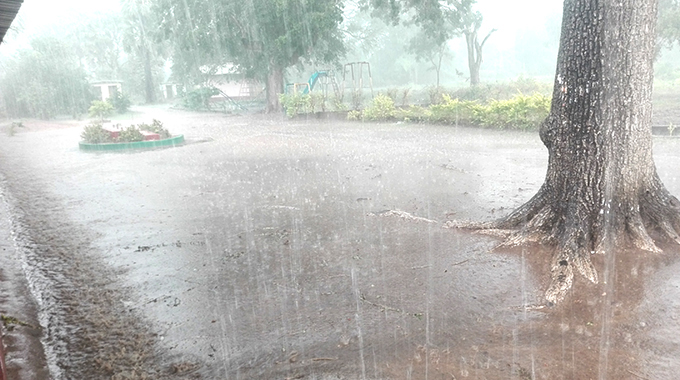
Precious Manomano
Herald Reporter
The country’s agricultural landscape is witnessing a notable transformation this season following the abundant rains that have graced the nation.
Farmers across the country are optimistic as crops flourish and livestock conditions improve. Although some farmers report issues such as leaching in waterlogged maize fields, the prevailing sentiment is one of hope and anticipation for a bountiful harvest.
The good rains have created ideal conditions for a variety of crops.
A survey carried out by The Herald indicates that the majority of early-planted crops are in excellent condition, particularly irrigated tobacco, with harvesting in full swing.
The Meteorological Services Department (MSD) forecasts more rainfall, further enhancing the encouraging outlook for farmers.
As the fields flourish, farmers are beginning to envision a harvest that could exceed expectations, bringing both relief and excitement after challenging seasons.
For livestock farmers, the situation is similarly encouraging. The improved grazing conditions resulting from the rains have led to healthier cattle.
The emphasis on disease prevention measures, particularly through increased dipping and tick control, has contributed to a marked decrease in cattle disease levels. Farmers are not only witnessing healthier livestock, but also enjoying the benefits of better pasture quality and availability.
However, amidst the optimism, the Zimbabwe National Water Authority has issued warnings to communities about the potential risks associated with heavy rainfall.
ZINWA head of Corporate Communications and Marketing, Mrs Marjory Munyonga, cautioned about the possibility of increased river flows and flooding in downstream areas, urging communities to remain vigilant and prepared.
Farmers are encouraged to take proactive measures to safeguard their crops and livestock from the adverse effects of excess water.
While the heavy rains have created a much-needed boost in water supply, they also pose risks such as muddy kraals that can lead to foot rot in livestock. To mitigate these challenges, farmers are advised to adopt kraal rotation systems and ensure vaccinations against soil-borne diseases are up to date.
Consultations with agricultural experts highlight the importance of nutritional support for livestock during this period of heavy rainfall.
Mr Edward Dune, the former vice president of the Zimbabwe National Farmers Union, emphasised the importance of adding salt to cattle feed to enhance nutritional value while also addressing the potential nutrient loss in soil due to leaching.
Additionally, Mr Dune commended the Government’s ongoing initiatives to raise awareness about the importance of tick dipping as a critical component in reducing tick-borne diseases.
He encouraged farmers to adhere to increased dipping intervals and utilise tick grease to manage livestock health effectively.
While challenges such as leaching and foot rot persist, the overall health of livestock is on the mend, offering a silver lining for farmers who have faced numerous adversities in recent years. The commitment to livestock care and pasture management is vital in ensuring that the positive trends continue.
Zimbabwe Indigenous Women Farmers Association Trust president Mrs Depinah Nkomo said the mood among farmers is overwhelmingly positive.
“We are happy and the crops are looking good in most areas and we are hopeful of a good harvest,” she said.
The good rains across the country stand to complement ongoing agricultural programmes such as the Pfumvudza/Intwasa Conservation Scheme, Zunde Ramambo and the National Enhanced Crop Productivity Scheme.
These initiatives are designed not only to enhance crop productivity, but also to empower farmers with the tools and knowledge necessary for sustainable farming practices.