admin
admin
Ruth Butaumocho
African Agenda
THE Southern African Development Community (SADC) has over the years built very strong economic and social relations that have seen the bloc being interdependent in various sectors.
Outside inter-marriages that continue to thrive across political borders, economic activities between the countries have become a bastion on which most relations now hinge on.
From mere cross border trade that was started by legions of women across riparian states as they supplemented meagre incomes earned by their husbands during the colonial era, to the impact of the Economic Structural Adjustment Programme that resulted in the closure of many companies in the 1990s, trade and investment between countries in the region have grown monumentally over the years, raking in billions annually.
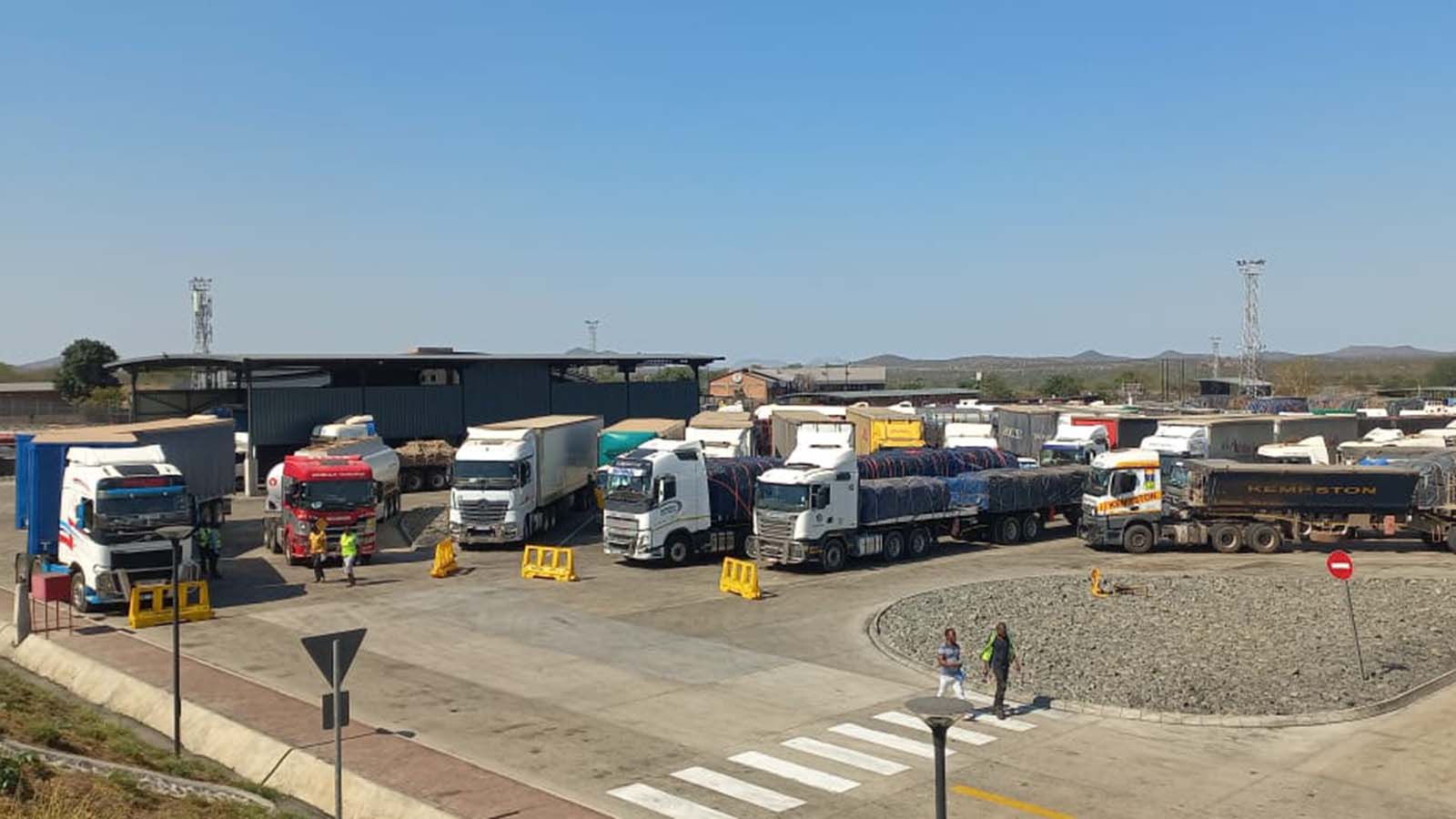
A look at statistics between Zimbabwe and South Africa gives an insight into how trade and economic relations between the two countries have grown exponentially over the years.
A recent report from the National Competitive Commission (NCC) shows that South Africa is Zimbabwe’s largest trade partner and is the destination of 46 percent of exports and 36,7 percent of imports as at March 2023.
Similar trading and economic activities are also taking place, with Zimbabwe importing power from Mozambique and Zambia to ameliorate deficits that are being exacerbated by the ongoing rapid industrialisation.
While many reasons can be given as having contributed to the growth of regional trade over the years, the impact of globalisation and the threats that come along with it have spurred regional economic trade, with SADC encouraging member states to increase trade among themselves.
That has also spawned several economic integration programmes and trade protocols that are mutually beneficial to countries within the region.
Among them is the SADC Protocol on Trade (1996), amended in 2010, which is touted as one of the most important legal instruments guiding the bloc’s work on trade.
It is an agreement between SADC member states to reduce customs duties and other barriers to trade on imported products.
The protocol provides the framework for a preferential trade agreement covering all commercial and tradable services in any sector. It encourages increased intra-regional trade in services through the gradual removal of unnecessary or over burdensome regulation affecting the cross-border supply of services within the region, a process known as progressive liberalisation.
It has often been hoped that the sustained trade within blocs should boost intra-African trade, and in the long run strengthen intra-African exports, which currently stand at 17,8 percent and 14,6 percent respectively, far below the levels seen in Europe and Asia.
The need to boost intra-African exports has necessitated the convening of an expert group meeting currently taking place in Doula, Cameroon, to evaluate and enhance the implementing of the Boosting Intra-African Trade (BIAT) action plan.
The United Nations Economic Commission for Africa (ECA), in collaboration with the African Union (AU,) is convening the meeting to align BIAT’s progress with the transformative goals of the African Continental Free Trade Area (AfCFTA).
Trade integration has been identified as an important driver of inclusive growth and economic development across the African continent.
Despite Africa’s substantial potential, the continent’s share in global exports remains around 3 percent, highlighting the need for increased intra-African trade and industrialisation.
Acknowledging this potential, the AU Assembly, during its 18th ordinary session in January 2012, adopted the decision to establish the AfCFTA with the goal of creating a unified African market. This initiative aims to foster seamless trade in goods and services, enhance Africa’s global trade position, and drive sustainable socio-economic development.
While the AfCFTA has seen significant strides, with 47 out of 54 signatories ratifying the agreement as of April 2024 and trading commencing on January 1, 2021, the BIAT action plan’s progress has remained limited.
The BIAT identifies seven key clusters: trade policy, trade facilitation, productive capacity, trade-related infrastructure, trade finance, trade information, and factor market integration, which are crucial for deepening market integration and boosting intra-African trade.
The Doula meeting will serve as a veritable platform to review the draft report titled “Framework for Boosting Intra-African Trade (BIAT), Ten-Years After: Progress, Implementation Challenges, and Implications for the AfCFTA.”
The meeting is expected to gather insights from experts, regional economic communities, and other stakeholders to enrich the report’s content, enhance its analytical soundness, and ensure the robustness of its data and recommendations.
BIAT focusses on integrating intra-African trade into national strategies, involving the private sector in policy making, enhancing food products and services, simplifying trade regulations, reducing transit times, optimizing border posts, and integrating border management.
However, despite significant progress in implementing the AfCFTA, BIAT remains limited, with little information available on its domestication and implementation at regional and national levels.
The private sector remains a key player in the successful implementation of the AfCFTA, given its ability to create jobs and invest in sustainable economic development projects.
Africa boasts of several companies, conglomerates and organisations employing thousands of workers that are owned by private businesspeople through private investments.
Nigerian Aliko Dangote, Tanzanian businessman Patrick Epaphra Ngowi, South African Patrick Motsepe, Lorna Rutto from Kenya and Zimbabwean Strive Masiyiwa are among African business people, who have contributed immensely to business in the continent.
Speaking during the opening of a three-day Africa Prosperity Dialogues early this year, the director of Regional Integration and Trade at the UN Economic Commission for Africa (UNECA), Steven Karingi, called on captains of trade and industry to “own and drive the implementation of the AfCFTA by supporting their governments, but also by holding them to account”.
“Africa’s private sector accounts for 80 percent of total production, two-thirds of investment, and three-quarters of credit, and employs 90 per cent of the working-age population,
However, promising as they might appear, the private sector’s ability to deliver would be achieved once it overcomes a myriad of its daily challenges that impedes on its operations.
Some of the challenges the private sector faces include inadequate infrastructure connectivity, rudimentary productive capacity, and risky or expensive payment systems.
Those challenges probably explain why some businesses in the private sector continue to experience stunted growth despite the amount of business generated.
Its crucial for governments to create necessary business environment and ease of doing business to promote growth and sustenance within the small to medium enterprises.



 Online Reporter