

 Online Reporter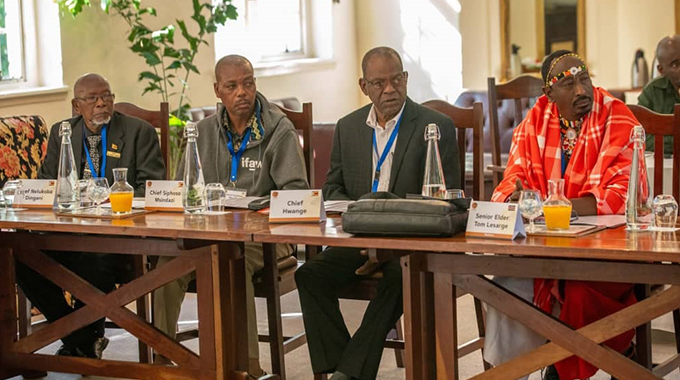
Rutendo Nyeve, Victoria Falls Reporter
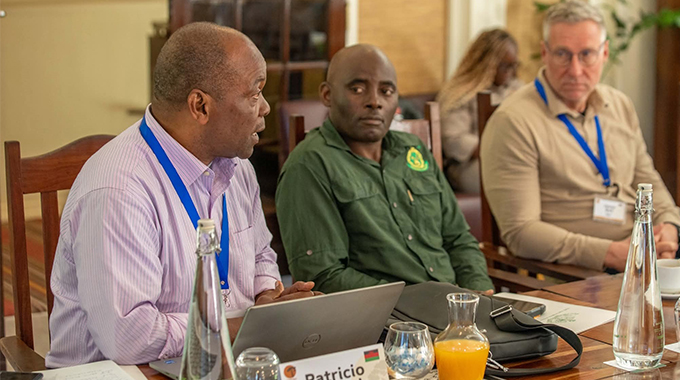
FIFTEEN traditional leaders from across Africa, representing communities that live alongside wildlife, have gathered in Victoria Falls for the second edition of the African Traditional Leaders Conservation Network (ATLCN), to share insights on fostering peaceful coexistence with wildlife.
Hosted by the International Fund for Animal Welfare (Ifaw), the week-long workshop is being held under the theme: “Connected for Sustainable Conservation and Coexistence.” It aims to address human-wildlife conflict and promote sustainable, community-led conservation.
The workshop has brought together traditional leaders from Kenya, Malawi, Zambia, Namibia, Botswana and Zimbabwe — countries where communities frequently face challenges in sharing landscapes with elephants, lions, and other wildlife.
The leaders are exploring strategies for community-led conservation, land use planning, and the revival of indigenous knowledge systems to mitigate conflict.
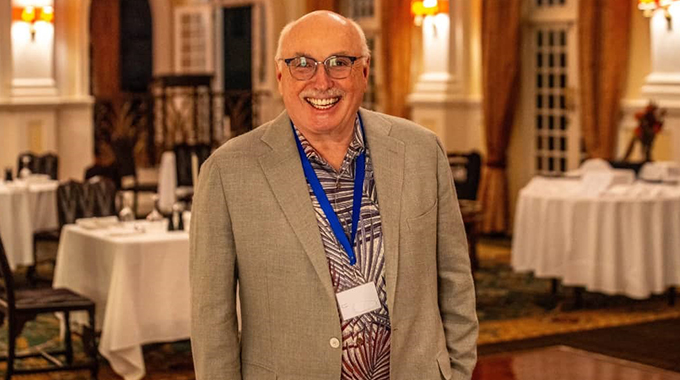
In an interview with Zimpapers, Ifaw President and CEO, Mr Azzedine Downes, said traditional leaders play a pivotal role in conservation efforts.
“The idea first came to us when we realised that the people living with wildlife did not have a voice. Traditional leaders can provide that voice. The objective of this meeting is to establish community-led conservation practices so that investment flows directly to these communities,” he said.
Mr Downes said that the workshop had sparked important discussions on reviving indigenous knowledge.
“We heard from leaders in Zambia and Zimbabwe that much of this wisdom has been lost. How do we pass it to younger generations? Our ancestors knew how to live safely with wildlife. Now, we are exploring ways — through music, poetry, radio, or youth wildlife clubs — to reclaim that knowledge and reduce human-wildlife conflict,” he said.
In a separate interview, Senior Chief Lukwa of Malawi, who chairs the ATLCN, said the goal is to see wildlife populations thrive under community stewardship.
“Here in Victoria Falls, we are sharing ideas on how to coexist with animals and share space sustainably. Ifaw is assisting governments and traditional leaders across Africa with expertise on land-sharing solutions. This workshop will benefit our governments, communities and wildlife departments,” he said.
Chief Siphoso of Tsholotsho echoed the sentiment.
“This workshop is vital for promoting harmony between humans and wildlife. By learning from each other, we can implement strategies that protect both our people and our natural heritage,” he said.
He said that the workshop aims to strengthen community leadership and ensure that local people are central to conservation decision-making.
“We are also looking at livelihood development, linking conservation to tourism revenue and job creation — as well as conflict mitigation through the revival of traditional practices, such as using chilli fences to deter elephants,” he said.
The ATLCN’s vision is to ensure that communities are central partners in decisions affecting their livelihoods and natural resources.
The workshop’s theme focuses on identifying practical solutions and benefits for local communities, who serve as custodians of biodiversity due to their proximity to wildlife.
The ATLCN aspires to become a continental voice for community-led conservation.


 Blessing Chizhande