Online Reporter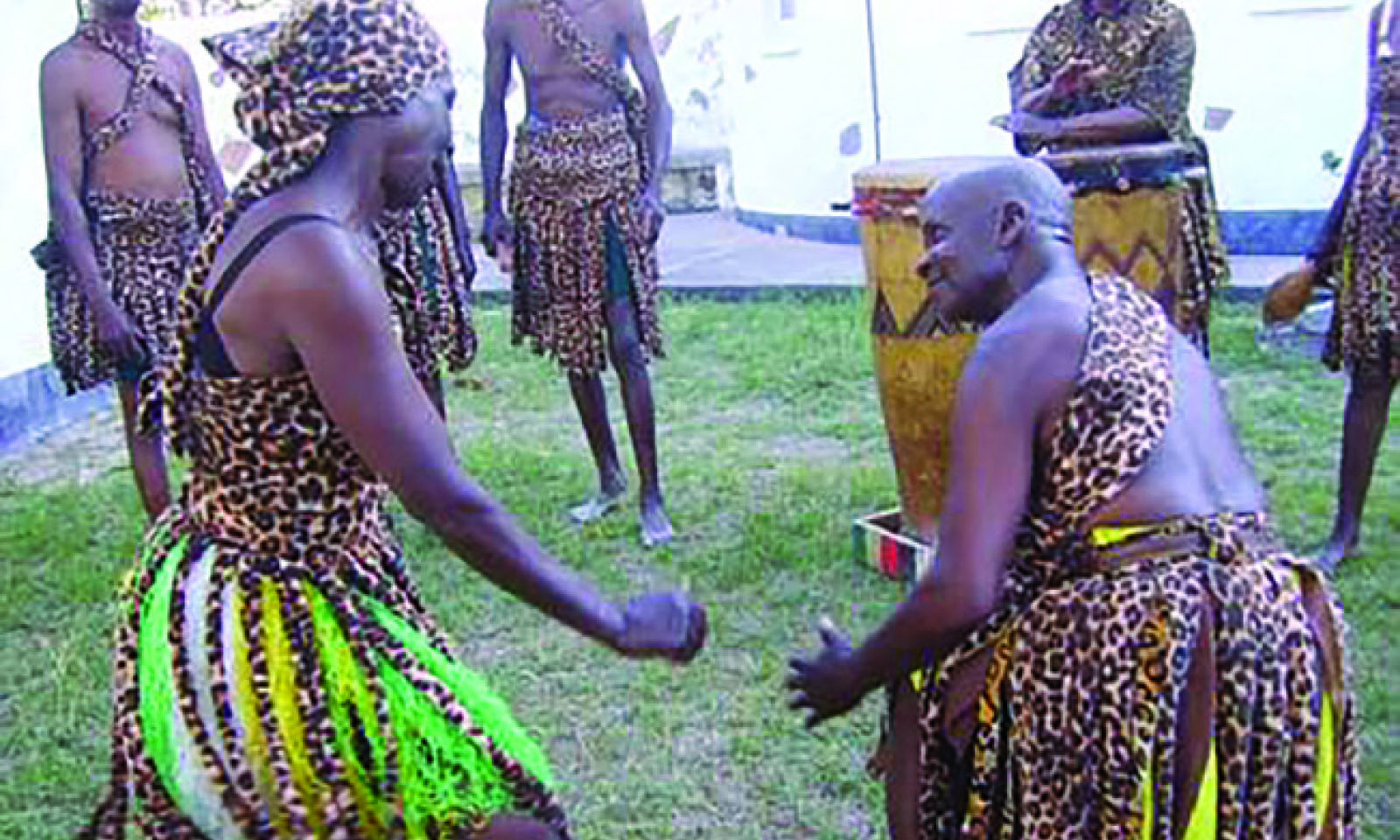
Charles Mavhunga
Tourism Branding
Introduction
Culture plays a vital role in tourism branding, providing a unique and authentic experience for visitors. It serves as a bridge that connects travellers to the traditions, values, and lifestyles of a destination, making their journey both recreational and richly educational.
In the context of Zimbabwe, where cultural heritage is deeply rooted in the arts, culinary heritage, music, dance and traditional beliefs, leveraging cultural revival can be a transformative approach to national branding.
Through revitalising and showcasing aspects such as traditional crafts, indigenous storytelling and ancient architectural sites, Zimbabwe has the opportunity to present itself as a hub for cultural exploration.
This effort not only reinforces the country’s unique identity on the global stage but also fosters a sense of belonging and pride among its citizens.
Furthermore, cultural revival can act as a catalyst for economic growth by attracting international tourists eager to partake in authentic and immersive experiences. This article explores the importance of culture in tourism branding, with a critical reflection on the King Leopold Letter to Colonial Missionaries and its relevance to Zimbabwe’s tourism industry.
The dark legacy of colonialism
The King Leopold Letter to Colonial Missionaries (1883) is a stark reminder of the exploitative and oppressive nature of colonialism, which extended far beyond territorial control to the systematic erasure of native cultures.
In Zimbabwe, colonial regimes enforced bans on cultural expressions such as the traditional mbira instrument, which was central to spiritual and social ceremonies, and the Jerusarema Mbende dance, renowned for its rhythmic vibrancy and narrative power, among others.
These bans were coupled with widespread suppression of all traditional rituals, ceremonies and practices, effectively cutting off communities from their cultural roots.
Such measures did not merely aim to erase heritage but sought to enforce subservience by stripping local populations of their identity and creative expression.
This cultural erasure stifled creativity, disrupted the transmission of heritage, and dismantled local governance structures, replacing them with foreign systems that enforced subjugation.
Economically, colonial policies diverted resources to serve imperial interests, quashing local entrepreneurship and creating inequities that endure to this day.
Symbols of colonial dominance, such as the attire of court judges, continue to reflect the imposition of foreign influence over traditional identity.
The deliberate dismantling of Zimbabwean culture, as epitomised by historical directives like the King Leopold Letter to Colonial Missionaries, left deep scars, undermining self-determination and instilling a legacy that nations like Zimbabwe must now confront through cultural revival and reclamation of their heritage.
The transformative impact of cultural revival
As Culture Ambassador, Her Excellency Dr Auxillia Mnangagwa, the First Lady, has spearheaded a remarkable resurgence of cultural heritage, leveraging her influential platform to reignite national pride and identity.
Through a multifaceted approach, she has championed the promotion of traditional arts, music, dance, indigenous crafts and culinary heritage, including the launch of traditional food study and small grains agriculture initiatives, as well as cooking competitions. Her unwavering dedication to restoring cultural pride has not only inspired Zimbabweans to reconnect with their rich heritage but has also earned international acclaim, highlighted by a prestigious award recognising her outstanding contributions to cultural preservation and revival.
This esteemed recognition underscores the profound impact of reclaiming and celebrating Zimbabwe’s cultural legacy, which was systematically suppressed during the colonial era, stifling creativity, innovation and economic growth.
As a pivotal figure in the nation’s cultural revival, Dr Mnangagwa’s efforts have been instrumental in redefining Zimbabwe’s identity and promoting a sense of national pride and belonging.
Culture plays a critical role in tourism branding, serving as a key differentiator for destinations, creating authentic experiences for visitors, and supporting community development.
By showcasing unique cultural experiences, Zimbabwe can differentiate itself from other tourist destinations, offering visitors a chance to engage with local communities and learn about their customs and traditions. This authentic experience not only enriches the visitor’s journey but also fosters a deeper understanding and appreciation of the local culture.
Moreover, cultural tourism can support community development by promoting local economic growth and social cohesion, as local communities benefit from tourism-related activities and initiatives. By leveraging its rich cultural heritage, Zimbabwe can create a distinctive tourism brand that showcases its unique identity, attracts visitors, and contributes to sustainable development.
Through championing cultural revival, the First Lady motivates the nation to heal from its colonial past, fostering a sense of pride and belonging while simultaneously paving the way for tourism branding that celebrates Zimbabwe’s unique identity.
Such efforts are instrumental in positioning Zimbabwe as a hub for authentic cultural exploration, driving economic development, and revitalising the local entrepreneurial spirit.
Her initiatives serve as a catalyst for rebuilding Zimbabwe’s collective identity, reinforcing the importance of cultural heritage as a foundational element in tourism branding, innovation, and sustainable growth.
Conclusion
In conclusion, cultural revival is essential for Zimbabwe’s tourism branding, identity building, and economic success. Through promoting and preserving our cultural heritage, Zimbabweans can create unique and authentic experiences for visitors, support local economic development, and build a strong national identity. It is crucial for Zimbabwe to prioritise cultural revival and promote its rich cultural heritage to the world. Today, this revival serves as a powerful act of resistance and healing, reclaiming our identity and resilience in the face of historical destruction. Through restoring our music, dances, crafts, and spiritual practices, our heritage is celebrated, and this also underscores the importance of culture as a source of strength, unity, and pride, ultimately driving societal growth and self-determination.
Charles Mavhunga co-authored textbooks in Business Enterprising Skills and is currently studying for a PhD in Management at Bindura University. He can be contacted at charles.mavhunga@ gmail.com. Cell: 0772989816.