admin
admin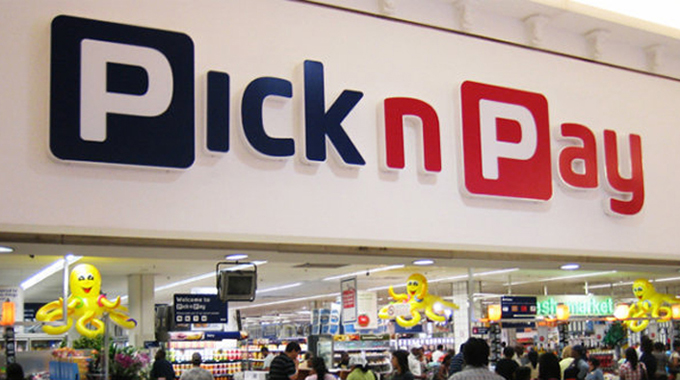
Tawanda Musarurwa
Pick n Pay’s Zimbabwean subsidiary TM Supermarkets took a 6,3 percent hit on profits in the 52-week period to end of March as it adjusted to currency and exchange reforms.
The South African headquartered group has a 49 percent interest in its associate TM Supermarkets (TM) in Zimbabwe.
In a performance report, group CEO Richard Brasher highlighted:
“The group’s share of its profits of its associate TM Supermarkets in Zimbabwe (TM) was down 6,3 percent year-on-year, and included a once-off foreign exchange loss of R42,1 million on TM’s adoption of the newly recognised RTGS dollar as its functional currency, and a revaluation of relevant balance sheet items effective from October 2018.
“Profits earned by TM since that date have been translated at a rate of 3,3 RTGS dollars to 1 US dollar (4,3 RTGS dollars to 1 ZAR).”
TM Supermarkets has 57 stores in Zimbbabwe, with 20 trading under the Pick n Pay banner.
Brasher however highlighted the “resilience” of the group’s Zimbabwean subsidiary
“A determined team ensured that TM and Pick n Pay stores remained open throughout the year, and traded successfully despite external difficulties. Hard work in building customer and supplier loyalty stood the business in good stead, and its in-stock position remained high.
“The estate was improved with a further seven renovations in the year. TM received a number of retail awards in Zimbabwe, including being recognised as the “Coolest Supermarket Brand” at the Generation Next Awards and the Marketers Association of Zimbabwe’s (MAZ) “Superbrand of the Year” in the retail supermarkets sector.”
Aside from the weaker financial performance, TM Supermarkets delivered double digit volume and customer growth, “with cost discipline and operating efficiency supporting solid earnings growth,” said the group
Meanwhile, in terms of group performance, Pick n Pay Stores Ltd said full year earnings rose 18 percent, on the back of price cuts.
Headline earnings per share (HEPS) were at 326.71 cents ($0.2274) for the 52 weeks to end-February, compared with 276.98 a year earlier.
HEPS is the main profit measure in South Africa that strips out certain one-off items.
“This result is built on a clear, long-term strategy to create a leaner and more cost-effective business,” said Brasher of the broader performance.



 Online Reporter