Online Reporter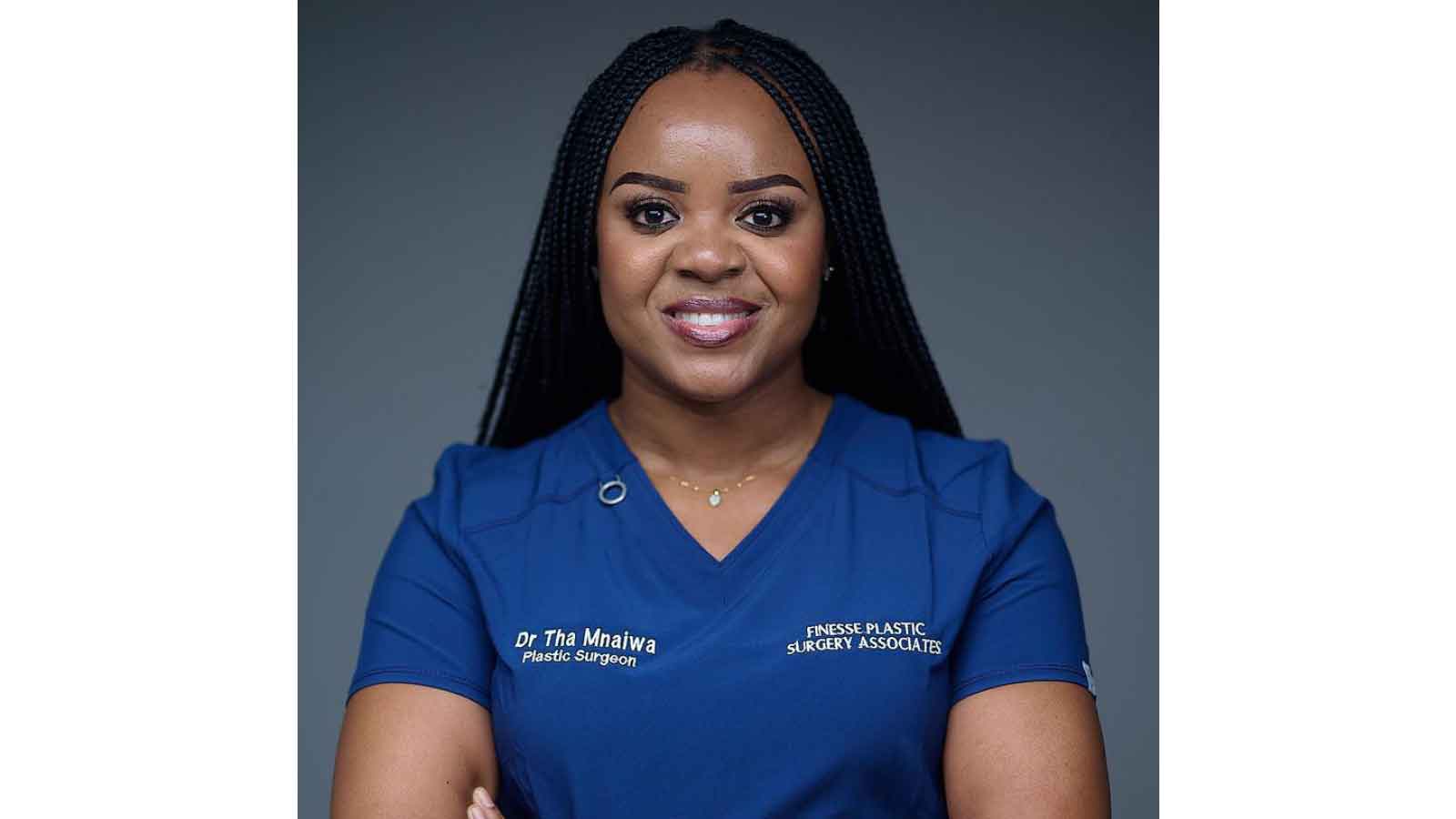
Tafadzwa Zimoyo
Lifestyle Editor
Curves are having a global moment, and the Brazilian Butt Lift — better known as the BBL — has become one of the most talked-about procedures shaping modern beauty conversations.
From red carpets in Hollywood to viral timelines across Instagram and TikTok, transformation stories have dominated headlines, with high-profile figures like Kim Kardashian, Cardi B, Nicki Minaj and Nollywood actress Angela Okorie repeatedly drawing attention to the evolving standards of body aesthetics.
Whether openly discussed or subtly speculated about, the influence of such celebrities has helped normalise conversations around cosmetic enhancement, pushing what was once whispered about into mainstream dialogue.
Back home, Zimbabwe is not insulated from this global wave. The fascination with curves, symmetry and body confidence is steadily growing, quietly but unmistakably.
While men are openly adored for their charisma and talent — like the magnetic pull of saxophonist Denilson Musekiwa, affectionately known as “Mukomana webhosvo,” who has become a heartthrob among women — there is a parallel, more private revolution unfolding among women themselves.
Behind closed doors and within the sterile calm of operating theatres, many are taking control of their bodies in ways that remain largely unspoken, choosing transformation on their own terms.
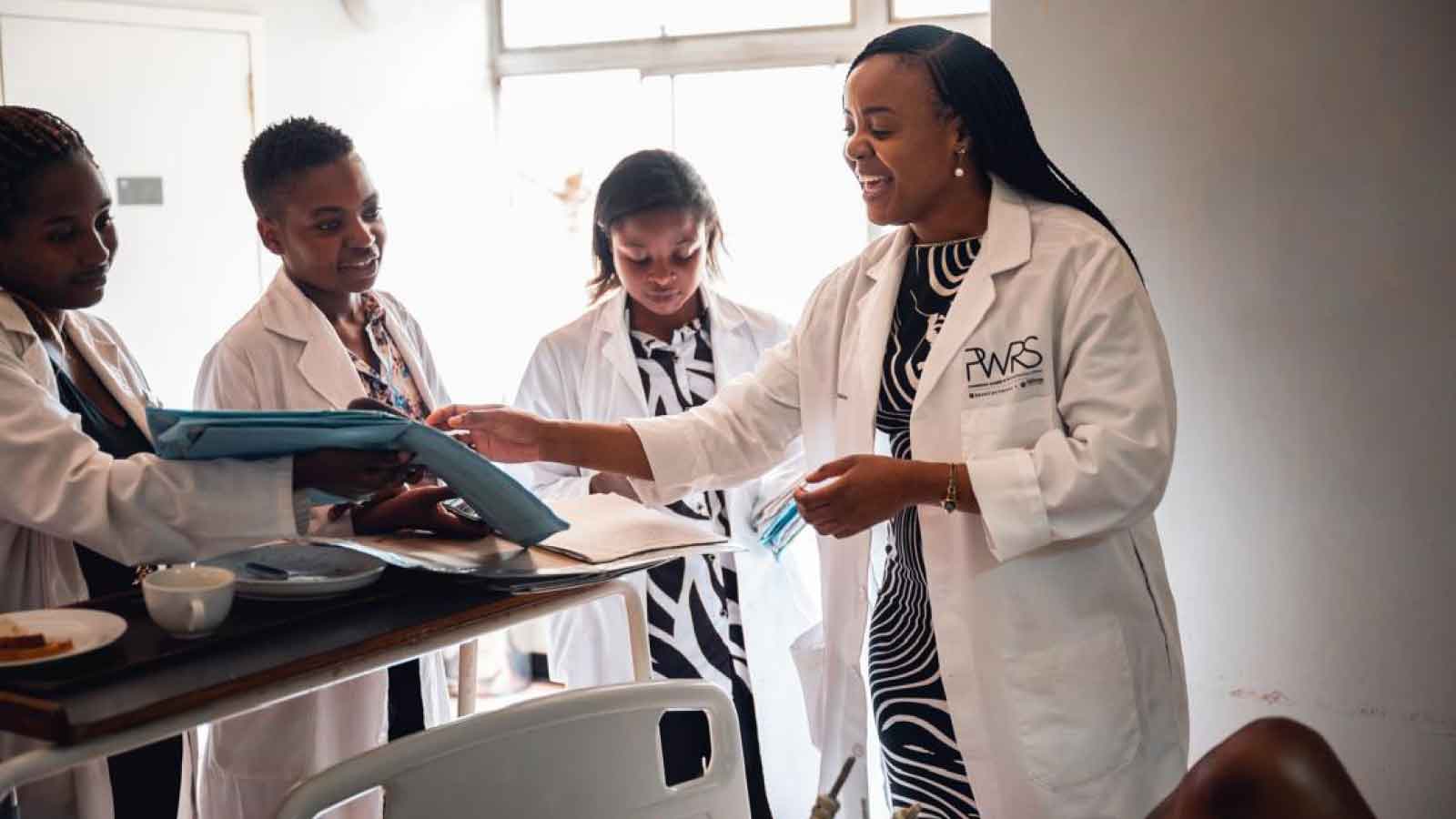
At the centre of this quiet evolution is Dr Thandiwe Munaiwa, a Zimbabwean plastic surgeon whose work is steadily reshaping not just bodies, but confidence, identity and self-perception in a society that is only beginning to openly talk about aesthetic surgery.
Raised in Chitungwiza, Dr Munaiwa’s story is rooted in discipline, purpose and an unwavering commitment to service. From Seke 6 Primary School to Seke 1 High and later Zengeza 1 High, her journey reflects a steady climb built on determination.
She would go on to train at the University of Zimbabwe, graduating as a medical doctor in 2012 — a milestone that marked the beginning of a career defined by precision and compassion.
“I come from a close-knit family that values education, discipline and service,” she says. “Those values shaped both my personal and professional journey.”
Soft-spoken yet confident, Dr Munaiwa represents a new generation of Zimbabwean medical professionals — grounded, ethical and deeply aware of the responsibility that comes with altering not just bodies, but lives.
“I trained in medicine with a deep passion for helping people not only heal physically, but also regain confidence in themselves,” she explains. “Over time, I developed a strong interest in aesthetic procedures, particularly those that restore body confidence after weight changes, pregnancy, or ageing.”
Her work spans the full spectrum of plastic surgery — from reconstructive procedures such as cleft repairs and trauma-related defects to aesthetic transformations that have become increasingly sought-after. Yet it is in the latter where her name is quietly gaining traction.
Procedures such as liposuction, tummy tucks, breast surgery, arm lifts, thigh lifts, body lifts and BBLs now form a significant part of her practice — each performed with a focus on natural results and patient safety.
“This field is not just about appearance,” she says. “It’s about helping patients feel comfortable in their own skin again.”

And while the global narrative often leans towards glamour and perfection, Dr Munaiwa brings the conversation back to something more grounded — real people, real insecurities and real transformations.
“I started focusing on plastic and aesthetic surgery in 2019 after gaining general clinical experience,” she says. “What I quickly realised is that many patients are not chasing trends — they are trying to reclaim themselves.”
She pauses, reflecting on the stories that rarely make it to social media.
“Many come after life changes — burns, childbirth, significant weight loss. These procedures help restore form and function, but also confidence, posture and even comfort in clothing.”
Then there are the moments that stay with her long after the theatre lights dim.
“I remember one patient after a breast reduction who said, ‘now I’m visible’. That stayed with me. Their confidence had been crushed for years. That surgery changed their mindset.”
It is this intersection of science and emotion that defines her work.
Some of her clients, she reveals, are well-known faces — figures who move in Zimbabwe’s celebrity circles — but professionalism demands silence.
“Patient confidentiality is very important in my practice,” she says firmly. “I don’t publicly confirm or deny individual patients.”
Still, whispers travel, and within certain circles, her name is spoken with a mix of curiosity and respect.
“I am always grateful when any patient shares their experience voluntarily,” she adds. “It helps educate others and reduce stigma.”
For Dr Munaiwa, education is as important as the procedure itself.
“The process always starts with a detailed consultation,” she explains. “We assess the patient’s goals, expectations, health and suitability for surgery. We also get a chance to weed out patients with Body Dysmorphic Disorder.”
In an age where social media filters blur reality, managing expectations has become one of her greatest challenges.
“One of the biggest issues is misinformation and unrealistic expectations,” she says. “Bodies are different, so outcomes will be different. Honest communication is key.”
She is particularly firm on one issue — pressure.
“A common question I ask is, ‘Is anyone pressuring you to do this surgery?’ Because it must always be a personal decision. Any external pressure is a contraindication.”
When it comes to procedures like the BBL, precision and aftercare are everything.
“During a BBL, fat is carefully removed from areas like the tummy and back through liposuction, purified, and then strategically injected into the buttocks to create a natural shape,” she explains.
But the real test begins after surgery.
“It is super important not to sit in the first four weeks,” she says. “I always say it’s like stepping on wet concrete — if you sit too early, it will heal in a deformed shape.”
She laughs softly, acknowledging the difficulty.
“It’s hard, but doable. Some patients get tired and sit early, and that can lead to a boxy, square shape. Following instructions is everything.”
Beyond the technicalities, Dr Munaiwa remains deeply aware of the cultural conversations surrounding beauty.
“While global trends do influence perceptions, I always encourage patients to make decisions based on what feels right for them — not pressure,” she says.
“Beauty is diverse. There is no single ‘correct’ body type. My role is not to change identity, but to enhance confidence in a balanced and natural way.”
Away from the operating theatre, she is a mother of two, balancing a demanding career with family life.
“It’s not always perfect,” she admits. “But I prioritise structure, boundaries and quality time with my children. Having a supportive family makes a big difference.”
Interestingly, medicine was not her only calling.
“I was once a part-time model, and I really enjoyed fashion,” she reveals. “If I was not a doctor, I would probably be in the fashion industry.”
That eye for aesthetics perhaps explains her approach to surgery — measured, artistic, and intentional.
She continues to invest in her growth, learning from mentors and gaining international exposure, but remains grounded in what she considers true success.
“For me, the most meaningful achievement is patient satisfaction,” she says. “Seeing someone regain their confidence and quality of life gives me more satisfaction than any award.”
As the demand for cosmetic procedures grows in Zimbabwe, she emphasises the importance of regulation and safety. “Yes, the practice is legal when done within the regulations set by medical authorities,” she says. “It’s important that procedures are done by qualified professionals in safe, accredited environments.”
Her message to those considering surgery is simple but firm — prioritise safety over cost.
“Costs vary depending on the procedure and complexity,” she explains. “But what’s important is choosing qualified care.”
In a society where conversations around beauty are often loud but not always honest, Dr Thandiwe Munaiwa is choosing a quieter path — one rooted in ethics, education and transformation that goes beyond the surface.
“At heart,” she says, “I am simply someone who loves what I do and is grateful to make a difference in people’s lives.”
And perhaps that is what truly sets her apart — not just the ability to sculpt bodies, but the rare gift of restoring something far less visible, yet far more powerful: confidence.
However, BBL and plastic surgery continue to divide opinion — celebrated for transformation, yet scrutinised for risk.
On the positive side, plastic surgery can be deeply life-changing. Procedures such as reconstructive surgery restore form and function after trauma, burns or birth defects, while aesthetic procedures like BBL, liposuction or breast reduction often improve confidence and body image. Many patients report better posture, comfort in clothing and relief from physical issues like back pain or skin irritation. In this sense, surgery is not just cosmetic — it can be emotionally and physically restorative.
However, the risks are real. BBL in particular has gained a reputation as one of the more dangerous cosmetic procedures if not performed correctly. Complications can include infection, fat embolism, scarring, uneven results and, in severe cases, death. Recovery is also demanding, requiring strict aftercare such as avoiding sitting for weeks. Unrealistic expectations driven by social media further complicate outcomes, often leaving some patients dissatisfied.
A recent investigation by BBC Africa Eye highlighted how the cosmetic surgery boom is spreading across Africa, particularly in Nigeria, where demand is surging despite safety concerns. Reports note that while BBL is rapidly growing in popularity, it “remains one of the most dangerous” procedures when done in unsafe conditions.
The documentary underscores a worrying trend — young women chasing idealised bodies without fully understanding the risks, often influenced by social media and global beauty standards.
Ultimately, plastic surgery offers powerful benefits — but only when approached with caution, proper education and qualified medical care.