Online Reporter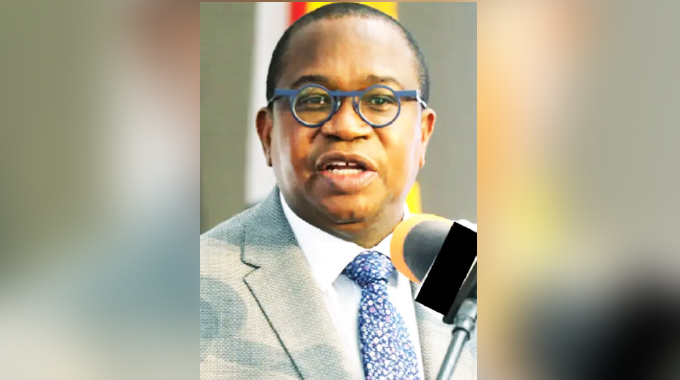
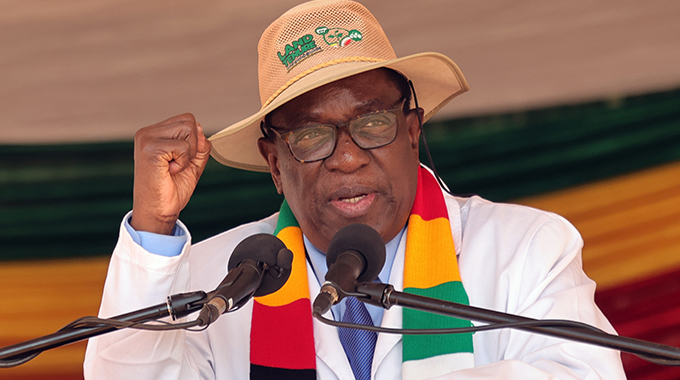
President Mnangagwa’s relentless drive to simplify and modernise Zimbabwe’s business environment is proving to be a catalyst for economic transformation.
His ease-of-doing-business reforms are not just policy tweaks; they’re a bold blueprint for unlocking investment, energising industries, and positioning Zimbabwe as a rising star in the regional economy.
Ease-of-doing-business reforms are crucial for creating a vibrant and sustainable economic environment. One of the most immediate benefits is the attraction of investment, both domestic and foreign.
When regulations are streamlined and costs are reduced, investors gain confidence in the market, knowing they can operate efficiently and profitably. This influx of investment fuels innovation, infrastructure development and sectoral growth.
These reforms also stimulate economic growth by making it easier for entrepreneurs to start and expand businesses.
Reduced bureaucratic hurdles and lower operational costs encourage more startups and business expansions, which in turn create jobs and increase productivity.
Another key impact is enhanced competitiveness.
By lowering fees and simplifying procedures, local industries can better compete on regional and global stages.
This not only boosts exports and foreign exchange earnings, but also improves the country’s reputation as a business-friendly destination.
President Mnangagwa’s reforms – such as reducing tourism-related fees by up to 50 percent – will directly lower operational expenses for businesses, improve sector competitiveness, and attract both local and foreign investors.
As we reported yesterday, Finance, Economic Development, and Investment Promotion Minister Professor Mthuli Ncube confirmed that the reviews will result in substantial reductions of certain fees and requirements, noting that extensive research was conducted prior to approval.
“The National Competitiveness Centre has carried out highly informative research showing that these fees have indeed increased the cost of doing business.
“They have rendered our industry uncompetitive both regionally and globally. Therefore, any meaningful reduction will undoubtedly enhance our competitiveness,” he said.
By targeting 12 key sectors, including agriculture, transport, energy, and financial services, the Government is laying the foundation for broad-based economic transformation.
The tourism sector alone stands to benefit from reduced costs in accommodation, transport, and broadcasting fees, making Zimbabwe a more attractive destination regionally and globally.
We say this is visionary leadership in action.
These reforms will stimulate job creation, enhance service delivery and boost GDP growth.
President Mnangagwa is not just reforming policy – he is reshaping Zimbabwe’s economic future.