Tendai Gukutikwa
Post Reporter
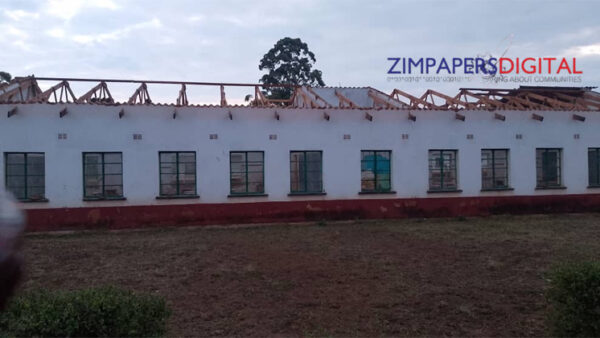
WHEN Cyclone Idai tore through Chimanimani in March 2019, it left behind more than destroyed homes, damaged roads and lost livelihoods.
In communities such as Bumba under Chief Mutambara, the disaster deepened vulnerabilities that had long existed beneath the surface – chronic food insecurity, poverty and the disproportionate burden carried by women in households struggling to survive.
Seven years later, climate change continues to cast a long shadow over the district.
Unpredictable rainfall patterns, prolonged dry spells and soil erosion have made farming increasingly difficult for many families whose livelihoods depend almost entirely on agriculture.
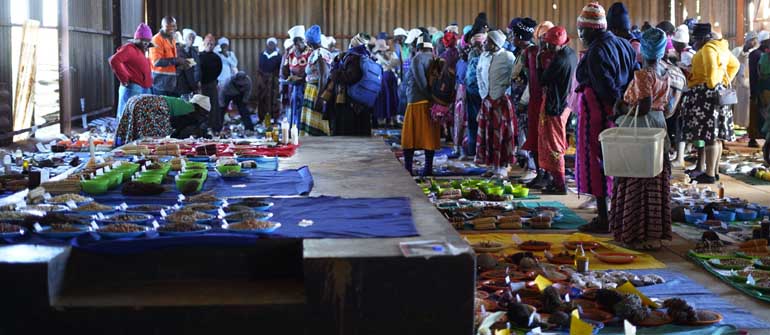
Yet amid these challenges, a new generation of women is rewriting the rules of survival. Women who once relied solely on their husbands for household necessities are now generating income, paying school fees and making financial decisions of their own through the cultivation and sale of traditional seeds.
At the centre of this change is the Nature Plus Project, being implemented by Tsuro Trust with support from the Canadian Foodgrains Bank.
The initiative promotes conservation agriculture, agro-ecology and farmer-led seed systems as a way of strengthening food security, while helping communities adapt to climate change.
For Mrs Judith Chinawa, a mother of six from Bumba, traditional seed farming has become more than an agricultural practice. It has become a pathway to dignity, independence and hope.
When The Manica Post caught up with her recently, Mrs Chinawa reflected on how much life has changed since Cyclone Idai.
She grows traditional crops such as mapfunde (finger millet), uninga (sesame), nyimo (bambara groundnuts) and nyemba (black-eyed peas).
“These seeds bring a lot of money into my household. There was a time when women in our community depended almost entirely on our husbands for everything. Many families struggled to put food on the table because the changing climate made farming unpredictable and mine was one of them. The pressure on my husband to provide often created tension in our home, while I felt I had little say in family decisions because I was not contributing financially,” she said.
Mrs Chinawa said the introduction of conservation agriculture and traditional seed farming has shifted those dynamics.
“I am no longer waiting for my husband to buy every household item. When groceries run out or my children need something for school, I can provide using the income I earn from selling traditional seeds,” she said.
She, however, said the financial independence has strengthened her marriage as it did not take any power from her husband, as he still heads their family and she respects him.
“My husband remains the head of the family, but we now share responsibilities. We are partners,” she said, her voice carrying the confidence of a woman who has discovered her own economic power.
She said the money she earns from seed sales now pays school fees, buys uniforms and ensures that her six children have access to basic necessities.
“Food shortages, which were once a constant source of anxiety in my home, have become less frequent. These seeds have transformed our livelihoods. We no longer grow them only for household consumption; they have become a business. Most importantly, we no longer go to bed worried about where the next meal will come from,” said Mrs Chinawa, believing that they are also improving their health.
“Our parents and grandparents grew these crops long before there were hospitals and clinics in every community. We have noticed that our children are healthier because we are eating more traditional foods. When families are food secure and healthy, entire communities become stronger,” she said.
For Mrs Chinawa, the greatest achievement goes beyond income.
She said it is the knowledge that her children are learning skills that will outlast any season of drought or economic uncertainty.
“I am teaching my children everything I know about traditional seed farming. They understand that agriculture can create opportunities. They do not have to wait for employment to build successful lives. They can create their own livelihoods and even employ others,” she said.
According to Agritex officer, Mr Jasper Shukuzo, the revival of traditional seed systems is also helping communities reclaim agricultural knowledge that was gradually being replaced by reliance on commercial seed varieties.
“For generations, indigenous crops such as sorghum, millet and traditional legumes formed the backbone of local diets in Chimanimani. However, many of these varieties were abandoned over time. Today, farmers are rediscovering their value. Traditional seeds require less water, adapt better to harsh climatic conditions, and can be preserved and replanted season after season,” he said.
Mr Shukuzo also said the impact of farmers turning to traditional seed farming is becoming increasingly visible across Chimanimani.
“We are witnessing significant improvements in household food security and livelihoods. Farmers are embracing conservation agriculture practices that protect soil health while increasing productivity. Climate change is not going away, so communities must adapt using sustainable farming methods,” he said.
Beyond improving nutrition and incomes, traditional seed farming is helping address another challenge often associated with economic hardship — gender-based violence.
A farmer, Mr Simon Nezandonyi, said the economic empowerment of women is strengthening relationships within households.
“When families have enough food, and both husbands and wives are contributing to household needs, there is less conflict. These livelihood projects have restored dignity and reduced gender-based violence in many homes,” he said.
The Nature Plus Project also promotes conservation agriculture practices such as minimum tillage, mulching and water harvesting through contour swales, helping farmers protect and restore degraded land.
Tsuro Trust acting programmes manager, Mrs Roselyn Mukonoweshuro, said the project is designed to strengthen nature-positive food systems in the Nemakonde area of Chimanimani.
“We are working with communities to protect and restore ecosystems, while improving livelihoods in the face of climate change. The project promotes conservation agriculture, agro-ecology, farmer-led seed systems and the rejuvenation of grazing lands. It also places strong emphasis on gender and social inclusion, ensuring women participate in decision-making and leadership,” said Mrs Mukonoweshuro, adding that traditional seeds are particularly important because of their resilience.
“We are encouraging farmers to preserve and cultivate indigenous seed varieties because they are better adapted to changing climatic conditions and contribute to healthier diets,” she said.
The Canadian Foodgrains Bank regional coordinator, Mr Solomon Mwacheza, said the success of the project can be measured by the growing number of farmers who now produce enough seed to sell or exchange.
“We are encouraged to see farmers building local seed systems that reduce dependence on external inputs. When farmers have enough seed to plant, exchange and market, they become more resilient and self-reliant,” he said.
As Chimanimani continues to rebuild from the devastation of Cyclone Idai and confront the realities of climate change, women like Mrs Chinawa are proving that resilience grows from the ground up.
One traditional seed at a time, they are rewriting the story of rural women — from dependents to providers, from silent supporters to leaders of change.
Cyclone Idai survivors rewrite rules of survival