Online Reporter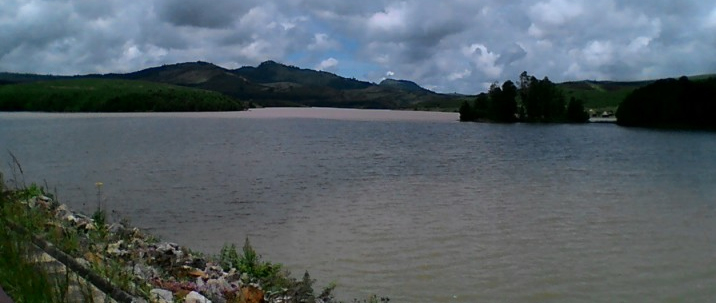
Ray Bande
Senior Reporter
WATER reservoirs in Manicaland have surged to an impressive 85,9 percent capacity, more than doubling the 49,8 percent recorded during the same period last year, bringing relief to the province.
The Save Catchment area is leading the charge, with nine dams overflowing or nearing capacity.
Dams that have reached 100 percent capacity include Nerutanga, Matezva, Munjanganja, Rusape, Zimunya, Odzani, Smallbridge, Roswa, and Bangazani, owing to heavy rains recorded in the catchment so far.
Other dams are hot on their heels, with Sadza Dam at 99,8 percent, Muchekeranwa Dam at 94 percent, and Marovanyati Dam also at 99,8 percent. Ruti Dam is 83 percent full, while Osborne Dam lags slightly behind at 81 percent.
The surge in water levels is expected to boost agriculture, industry, and domestic water supply in the province, and as the rainy season progresses, authorities are optimistic that the dams will continue to rise, securing the provincial water future.
The overflowing dams have also raised hopes of a bountiful harvest, as farmers prepare to tap into the abundant water resources.
With agriculture being a key sector in Manicaland’s economy, the improved water situation is a welcome respite for the province’s economic prospects.
Zimbabwe National Water Authority (Zinwa) head of corporate communications and marketing, Mrs Marjorie Munyonga said the latest figures are a testament to the region’s robust water management strategies and favourable weather conditions.
“The rains being experienced in most parts of the country continue to push up water levels in major dams. As of January 26, the national dam level average had risen to 90 percent. The dam level average for Save Catchment, which covers most dams in Manicaland stood at 85, 9 percent in comparison to the 49,8 percent recorded during the same period in 2025. Most dams in the catchment are now full and spilling, placing the catchment on a firm water security trajectory to meet both urban domestic water requirements and winter cropping irrigation needs,” she said.
Mrs Munyonga was quick to remind water users on the need to save the precious liquid.
“While the catchment has received these good inflows, Zinwa wishes to remind water users that water remains a finite resource, and water users should continue using the resource very efficiently,” said Mrs Munyonga.
There are still dams in the Save Catchment that are way below expected capacity given the heavy rains received so far, and these include Mashoko Dam, which is 45,5 percent full, Mhakwe Dam that is 33,8 percent full. Weninbi Dam is 31,6 percent full.
Asked to explain the disparities, as well as when the catchment dams last spilled, Mrs Munyonga had this to say: “That will require more time to find out the reasons behind their failure to get to or almost 100 percent because each dam may now require specific reports on their catchment inflows.
“Some had gone quite low before the rains so they started the season without anything. It could be that these dams got almost the same amount of water, but some of them had virtually nothing prior to receiving rans.
“Manicaland Province, just like most parts of the country, did not receive good rains last year. Look at their average on January 26, 2025, it was 45 point something, meaning some of those dams did not receive meaningful inflows.”
Osborne Dam was last reported to be at 97 percent capacity in May 2023, with Rusape, Marovanyati, Smallbridge and Odzani dams reaching full capacity during the same rainy season.
Most of the dams in Manicaland are used to water supply and irrigation, and the surge in water levels is a game-changer for the province’s irrigation, industrial, and domestic water needs. With most dams now overflowing, farmers can confidently irrigate their crops, particularly wheat, a staple crop, grown in winter, enabling farmers to increase their yields, improve crop quality, and expand their acreage under cultivation.
Industries, such as food processing and manufacturing, will also benefit from the reliable water supply, boosting production and economic growth, while urban residents can expect improved access to clean drinking water, reducing the risk of water-borne diseases.
In his recent tour of different agricultural value chains in Manicaland, Permanent Secretary for Ministry of Lands, Agriculture, Fisheries, Water and Rural Development, Professor Obert Jiri said the high dam level figures give a positive impression about prospects of a fruitful winter farming season.
“Most of the dams are spilling and that gives us hope that we will have enough water when we get to the winter farming season. It is upon the farmers and the general public to use the water sparingly,” said Professor Jiri.