

 admin
admin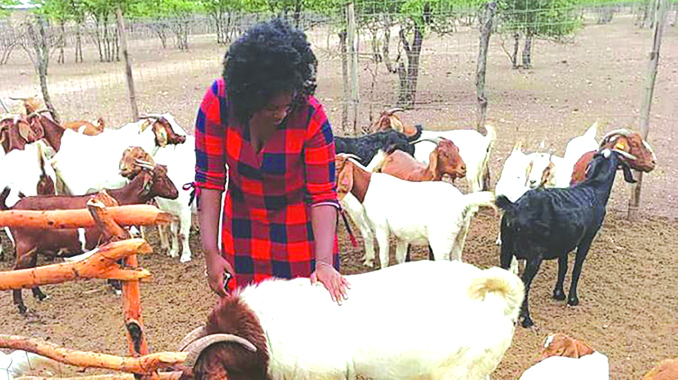
Sheuneni Kurasha, Farmer’s Diary
The use of plastic across various aspects of life and sectors has undoubtedly increased, revolutionising many industries and offering convenient, durable solutions for packaging, storage, and transportation.
However, the detrimental effects of plastic on the environment and animals, particularly goats and sheep, are becoming increasingly apparent and concerning.
In both small-scale and large-scale commercial farming areas, livestock, including goats and sheep, are facing tragic deaths due to plastic ingestion.
This week’s article focuses on the deadly impact of plastic ingestion on goats and sheep, examining why livestock consume plastic, the severe consequences, and potential solutions for farmers to mitigate this growing threat.
In addition, we will spotlight the causes behind this dangerous behaviour and its impact on animal health and livelihoods, while highlighting practical strategies to protect both livestock and the environment.
Why do goats and sheep eat plastic?
Goats are more susceptible to eating plastic due to their curious and indiscriminate feeding habits; they tend to nibble on a wide variety of objects while exploring their surroundings.
In contrast, sheep are more selective grazers, but can still accidentally ingest plastic when it is present in their environment.
Plastic bags, wrappers, and other waste can easily blend with vegetation, making it difficult for both goats and sheep to distinguish between food and waste.
Although goats and sheep typically browse and graze on grass, shrubs, and other available vegetation in their natural habitats, they often roam into areas littered with non-biodegradable waste, including plastic, particularly where grazing pastures are scarce or overgrazed.
There are two main reasons why goats and sheep may be inclined to eat plastic. Firstly, they have a natural craving for salt and other essential minerals.
Salt is critical for many bodily functions, including maintaining proper hydration, supporting nervous system function, and aiding nutrient absorption.
Plastic, especially packaging materials that have contained food items, may carry traces of salt or other mineral residues.
Driven by their innate craving, goats and sheep are drawn to the scent or taste of these packets, leading them to consume the plastic.
The second reason is hunger and curiosity.
In some cases, goats may resort to eating plastic simply because they are hungry and there is insufficient or suitable vegetation available. Goats are known for their curious and often indiscriminate eating habits, which can include non-food items such as paper, cloth, and plastic.
As indicated earlier, this behaviour is exacerbated in areas where grazing pastures are either sparse or contaminated with litter.
Dangerous consequences of eating plastic
The ingestion of plastic is a silent killer. Unlike organic materials, plastic is not biodegradable, and when consumed by goats or sheep, it does not break down in their digestive systems. Instead, it accumulates in the rumen, the first compartment of the stomach in ruminants (animals like goats and sheep that have a four-chambered stomach for digesting plant material).
The rumen is responsible for breaking down fibrous plant material through fermentation with the aid of microbes. However, when plastic is ingested, it cannot be broken down or digested and this has serious health consequences.
Rumen impaction occurs when plastic accumulates in the rumen over time, forming a solid mass that prevents the animal from properly digesting its food.
This condition severely limits the available space for normal food intake.
As the plastic occupies more room, the animal becomes malnourished, as it cannot consume enough food to meet its nutritional needs.
Instead of being filled with fibrous material that aids in digestion, the rumen is filled with indigestible plastic.
Nutritional deficiency occurs in goats and sheep suffering from rumen impaction caused by plastic ingestion.
These animals may exhibit signs of weight loss, lethargy, and overall poor health. In some cases, plastic ingestion can also lead to blockages in the gastrointestinal tract, resulting in colic, bloating, and, ultimately, death from starvation or internal damage.
Plastic ingestion often leads to painful and prolonged suffering for these animals.
Rumen impaction restricts normal digestive processes, causing the animal to experience constant discomfort and hunger, despite their attempts to eat.
Over time, their bodies weaken, and their immune systems deteriorate, making them more susceptible to diseases and infections.
Extent of the problem
The ingestion of plastic by livestock is a significant and growing problem in Zimbabwe and this reflects a global concern that extends beyond Africa.
Rural areas are increasingly littered with plastic waste, creating hazardous environments for goats and sheep that roam freely and may accidentally consume harmful materials while nibbling on whatever they encounter.
This situation threatens the livelihoods of agricultural communities that rely on these animals for essential resources such as meat and income.
The lack of proper waste disposal systems and public awareness about the dangers of plastic ingestion exacerbates the issue.
There is, therefore, need for educational initiatives that promote responsible waste management.
In addition, comprehensive waste management strategies must be implemented, waste disposal infrastructure needs to be improved, recycling should be encouraged, and biodegradable alternatives to single-use plastics should be promoted.
Addressing this worrying trend requires collective action from policymakers, farmers, and communities.
Role of Mineral Deficiencies
It is generally believed that one of the reasons goats, in particular, are drawn to plastic may be linked to mineral deficiencies.
Their natural craving for essential minerals, such as salt, can drive goats to seek out plastic packaging that may have once contained salty snacks or other food items.
Providing goats with a mineral lick—a block of salt and other essential minerals—is a common recommendation to help deter them from seeking out plastic or other harmful materials.
Mineral licks can provide the necessary nutrients that goats crave, helping to satisfy their salt needs and potentially reducing the likelihood of ingesting plastic.
However, while this may mitigate the risk, it is not a comprehensive solution. Even with a mineral lick available, goats may still consume plastic out of curiosity or hunger if they encounter it.
Potential Solutions and Preventative Measures
Addressing the issue of plastic ingestion in livestock requires a multifaceted approach. While individual actions, such as providing mineral licks, may help, the larger solution lies in addressing the root causes: plastic pollution and improper waste management.
Communities, both urban and rural, must take significant steps to reduce plastic waste and littering by promoting better waste disposal methods, encouraging recycling, and minimising the use of single-use plastics.
Educational campaigns by the Environmental Agency (EMA) and farmers’ associations among other stakeholders, can help raise awareness about the dangers of littering and its impact on the environment and the animals that depend on clean grazing lands.
In many areas, the enforcement of laws surrounding littering is lax or non-existent.
Stronger regulations and stricter penalties for improper waste disposal would go a long way to incentivise individuals and businesses to be more responsible with their plastic waste.
Ensuring that livestock have access to clean, well-maintained grazing pastures can reduce the likelihood of them encountering plastic waste.
Communities should work together to clean up existing litter in grazing areas and establish regular maintenance protocols to keep these lands safe for animals.
Education is a key element in addressing this issue. Local governments, agricultural organisations, and environmental groups should collaborate to raise awareness about the dangers of plastic ingestion for livestock.
This should include school programmes, community clean-up events building on the national clean-up campaign, and media campaigns.
While reducing plastic use is a long-term goal, developing biodegradable packaging materials that do not pose a threat to animals, or the environment would go a long way in providing an interim solution. Innovation in this area would not only benefit livestock but also contribute to broader environmental sustainability efforts.
Conclusion
The tragic deaths of goats and sheep due to plastic ingestion highlight the far-reaching consequences of plastic pollution. While goats’ natural curiosity and mineral cravings may lead them to consume plastic, the responsibility lies with communities to prevent such waste from littering the environment.
To protect livestock and ensure the health of ecosystems, communities must adopt sustainable waste management practices, reduce plastic usage, and provide adequate nutritional support to their animals.
Sheuneni Kurasha is the managing director of Chivara Farm, a diversified farming operation, which specialises in stud breeding for small livestock (Boer goats, Kalahari Red goats, Savanna goats, dairy goats (Saanen and Toggenburg), Damara sheep and Meatmaster sheep) as well as Boran cattle.
For feedback, kindly get in touch on email: [email protected]; X: @chivarafarm or WhatsApp: +263 77 2874 523.



 Online Reporter