Online Reporter
Trust Khosa
Zimpapers Arts and Entertainment Hub
FILM and television stars are celebrated for portraying characters that reflect relatable lifestyles, struggles and triumphs.
Their unique bond with the audience — whether on the small screen or in cinemas — creates an emotional connection that draws viewers closer.
Some actors or actresses are so exceptional that their performances can even serve as a form of therapy, helping audiences process their own emotions and experiences.
Despite the fame and adoration they enjoy at their peak, there is a common misconception that these stars lead charmed lives.

However, many of the television icons we admire are living in poverty. This harsh reality often only comes to light when they face misfortune, illness or death.
In Zimbabwe, we have witnessed several cases of both past and present television stars struggling with financial hardships and poverty.
Most of them only receive touching eulogies at their gravesites, after having been met with deaf ears when they appealed for help.
Funeral service providers, ironically, typically jostle to bury these stars for the sake of prominence. As sad as it may sound, there seems to be a level of hypocrisy among Zimbabweans. Of course, no one should be lectured on how to spend their money.
However, a significant disparity exists.
The film and television sector has long been forgotten, unlike the music industry, where funding and donations are pouring in like confetti.
A legacy of neglect
Over the years, Zimbabwe has lost creative brains such as Safirio Madzikatire (Mukadota), Sithembeni Makawa (Mai Gweshegweshe), John Banda (Collin Dube), Paraffin (Phillip Mushangwe), Nevernay Chinyanga (Muwengwa), Pretty Xaba (Mai Muwengwa), Rhoda Mthembe (Mai Sorobhi), Charmaine Mangwende (Mai Huni), Susan Chenjerai (Mai Rwizi), Charles Mapaume (Marabha), Anne Nhira (Vimbai), Lawrence Simbarashe (Bonzo) and Watson Chidzomba (Musa).
Most, if not all, of these luminaries faced unpleasant endings.

They either fell on hard times, became sick or ended up destitute despite all the fame they had garnered.
While some unfortunately squandered their riches due to a lack of financial literacy, the underlying issue of neglect has plagued the film and television sector, which has gone for years without proper regulation.
Firimoni’s tragic end
Last week, the country lost one of its finest actors, Fanuel Tonganayi, widely known for his role as Firimoni in the popular “Gringo” comedy series.
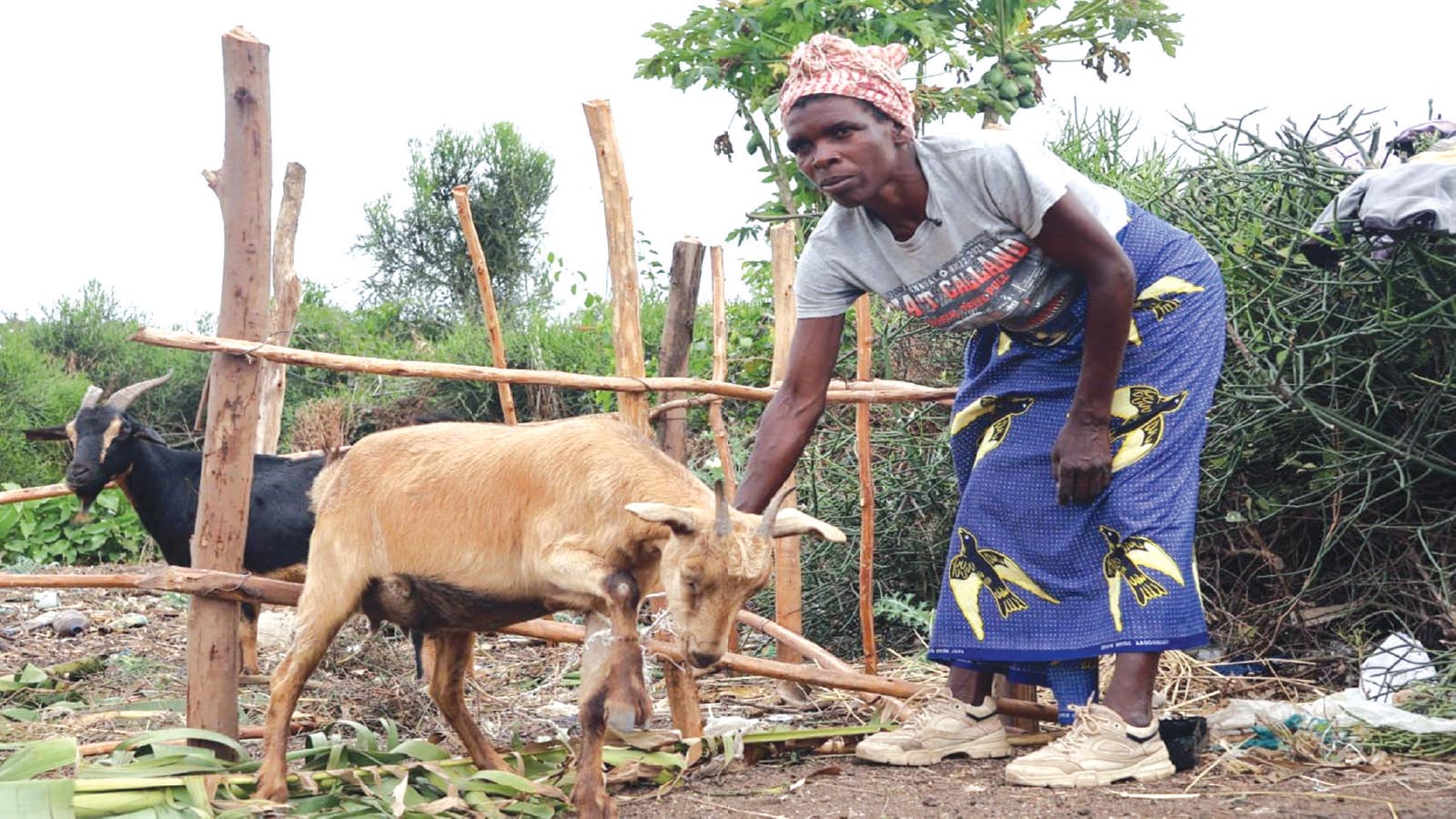
He had retreated to his rural home in Ward 6, Hurungwe West, Mashonaland West, where he became a peasant farmer.
Firimoni remained there for years after struggling to make ends meet in Harare, where he had settled as an actor and driver.
After bringing cheer to countless homes, he was long forgotten.
He even appealed for help, but no one came forward until he died on Wednesday.
So broke was the actor that he could not afford a decent cellphone through which people could easily reach him.
Taurai “Gringo Junior” Boora, whose late father Lazarus “Gringo” Boora worked alongside Firimoni, was deeply affected by the actor’s demise and broke the news to Zimpapers Arts and Entertainment Hub.
“I received the sad news of his death from his relative in Hurungwe. He had been very ill for three days before he died. He had retreated to his rural home and we struggled to get in touch with him since he did not have a mobile phone,” shared Gringo Jnr, expressing his disappointment at how Firimoni had been reduced to a peasant farmer despite all his fame.
Gringo Jnr’s views are not only touching but also reflect a clear sign that Firimoni’s world had crumbled.
To further illustrate the dire nature of his condition, Firimoni’s close relative, Alec Pomerai, revealed how the late actor did not receive medication.
Although he downplayed the issue by indicating that Firimoni was procrastinating about going to the clinic, it has been established that he had nothing in his coffers to access medication.
“He died in the morning (Wednesday) after complaining of stomach pains. His tummy was swelling, but he never bothered to go to hospital for treatment as he was procrastinating. He was cheerful as ever despite being in pain and we were shocked when we learnt about his death, just after he had gone to check his cattle,” stressed Pomerai.
Recurring pattern
Firimoni’s case is not new in Zimbabwean film and television. Similar cases exist, with Marabha’s being one of them.
While a pauper’s burial for Marabha was avoided after the intervention of Surest Funeral Parlour, which met all the costs, many of his peers were disappointed that the artiste only received a massive send-off while his crucial medical expenses had been neglected.
Fellow actor Forget Chaduka, who attended the burial in Epworth, expressed dissatisfaction with how celebrities are treated when they appeal for help.
“The send-off was massive, as people showed up in numbers, but surely we could have done better as a nation. We are good at showing off at funerals, yet we never assist these people when they are sick,” stressed Chaduka.
“We have been deliberating on this issue in the film and television sector, but we are not heard. If it were music, you would have seen a swift reaction because they think music is the only art form that exists. It is quite unfortunate that film will never be taken seriously.”
Chaduka also expressed his dismay at some grants offered by associations, which fail to reach the grassroots level.
“Sometimes we read about grants being given out or applications being invited, but the process is just flawed. It appears the same people who have been receiving them are the ones who remain beneficiaries for years.”
While many have been calling for filmmakers and actors to secure medical and funeral cover, it has become clear that not all of them can afford this.
Several actors have tragically died in foreign lands in search of medication after exhausting their own resources.
Actress Pretty Xaba, who starred as Mai Muwengwa in Studio 263, is one such creative whose fate still haunts the sector.
She died in India while seeking treatment for cancer of the oesophagus.
Although efforts were made to save her life, the same funders incurred more losses in repatriating her body to Zimbabwe for burial in 2014.
Fellow actor Taonga “CC” Mafundikwa, who mobilised funds for her treatment, was equally devastated by her death, having done everything in his power.
Prior to her loss, fellow Studio 263 actor Nevernay Chinyanga succumbed to diabetes and heart complications at a Johannesburg hospital in South Africa in 2010.
His family faced challenges in repatriating his body, which was an unpleasant ordeal for those he had touched.
As the demise of the Studio 263 cast continued, Anne Nhira died in 2021 in South Africa on her way from a prayer mountain.
While she died in faith, what drove her to resort to such prayer sessions in a foreign land remains a mystery. Some theories suggest she had fallen on hard times in South Africa, while others say she was simply too religious.
Call for action
While the National Arts Council of Zimbabwe, in conjunction with the Ministry of Sport, Recreation, Arts and Culture, initiated a five-year strategic plan for film and television, many players in this sector are still anticipating concrete results.
“We have heard about such initiatives, but some of these things are not implemented. Such issues have been tabled before, but the sad reality is that you will not see action being taken.
“A few people are invited and it is disheartening that these ideas being proposed by arts regulatory chiefs die in their boardrooms,” notes veteran actor Charles Kapfupi, widely known as Mr Wakatama from Studio 263.
With the sector still reeling from the fresh loss of Firimoni, this could be a perfect opportunity for arts regulatory bosses to address the systemic issues that have been haunting the industry.
Many actors have been reduced to paupers because they never received their fair royalties, while exploitation has fuelled the poverty and misfortunes overshadowing this sector. Film and television is a billion-dollar industry globally — talk of Hollywood, Bollywood and even Nollywood — yet in Zimbabwe, the sector remains in a truly sorry state.


 Online Reporter