Chronicle Editor
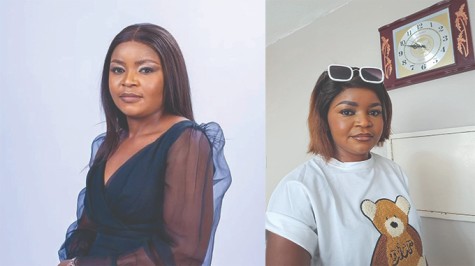
Tinotenda Mberikunashe, [email protected]
Controversy regarding issues to do with gender during elections has characterised parliamentary and presidential elections in Zimbabwe over the years.
Following the August 2023 elections, it is clear that there has been a decline in women in politics. The sad reality is that despite having a rather dominating voter population, women have been reduced to mostly cheerleaders in Zimbabwe’s political landscape which has proved to be patriarchal.
The Constitution of Zimbabwe, adopted in 2013, includes provisions aimed at promoting gender equality and women’s participation in politics. It recognises the principle of gender balance and requires the state to take measures to ensure women’s equal representation in elected and appointed positions. The bill of rights specifically stipulates that women are equal to men, including deserving equal opportunities in political, economic and social activities.
Women’s participation in politics in Zimbabwe has been a topic of interest and discussion for many years.
Historically, Zimbabwean society has been predominantly patriarchal, with traditional gender norms and cultural practices that limit women’s participation in public life.
However, since gaining independence in 1980, Zimbabwe has taken steps to address gender inequality and promote women’s empowerment in various sectors, including politics. While there have been efforts to increase women’s representation and involvement in political decision-making, significant challenges and barriers persist.
Prior to the August 2023 elections, the major political parties signed a “Women Charter” which pledged to increase the number of women candidates in the elections. However, upon the closing of the registration, political parties had less than 12 percent women candidates each for the National Assembly across the 210 constituencies, a vexing outcome to feminist advocates.
The fact that there was only one woman contesting for the presidential position compared to the four in 2018 speaks volumes to the patriarchy within the political power structure. It appears that the women have been left to stay within the household rather than being in the office.
The August 2023 elections suggest that in spite of the vigorous local campaigns and global pressure for increased female participation in politics and decision-making, change might be far-flung. Despite having some of the best laws and policies on gender equality and women representation in the country, their application has been a cause for concern upon observing the preceding elections. The problem is women often face radical questioning when they present interests to be involved in politics such as questions pertaining to marital status, as decision making and politics are viewed as matters reserved for men.
Political parties in Zimbabwe have recognised the importance of women’s participation and have implemented measures to increase the number of women candidates.
Some parties have adopted quotas or reserved positions for women within their structures, which has facilitated greater female representation in political party leadership and decision-making. Despite these advancements, women in Zimbabwe still face numerous challenges in their political engagement.
Deep-rooted cultural biases, limited access to education and resources, as well as intimidation, continue to hinder women’s full participation in politics.
Traditional and societal expectations often discourage women from pursuing political careers or holding leadership positions.
Furthermore, women in Zimbabwe often encounter financial barriers that limit their ability to campaign effectively. Access to funding and resources for female candidates is crucial to levelling the playing field and enabling women to compete on an equal footing with their male counterparts.
Women activists have many at times blamed the exorbitant fees directed to those opting to participate for example, the $US1 000 to be paid by parliamentary candidates to register and the $US20 000 for presidential candidates.
Increasing the cost of political participation and representation further marginalises women from politics and this appears to be a major problem.
Civil society organisations, women’s rights advocates and international partners have been actively involved in promoting women’s political participation in Zimbabwe.
Feminist advocates agree on some basic principles including working to increase equality and eliminating gender stratification which, when taken into consideration and action is implemented, could result in some major changes in the country’s politics.
They provide support through capacity-building programmes, advocacy for policy reforms and raising awareness about the importance of gender equality in politics.
The women’s quota for parliament and local authorities, which is part of the Second Republic’s deliberate policies to empower women, has presented positive results considering that quotas ensure and guarantee women representation.
The adoption of quotas and reserved seats for women has contributed to increased female representation within political parties. Women’s wings and women’s leagues have been providing platforms for women’s voices to be heard and have mobilised female party members. These initiatives have played a role in raising awareness about women’s issues and increasing women’s visibility within party structures.
While the adoption of quotas and reserved seats has increased women’s representation within political parties, the translation of party-level representation to actual elected positions remains a challenge. Women continue to face obstacles when contesting elections, including limited access to campaign funding, biased media coverage, and unequal campaigning opportunities.
There is need to urge women voters to vote for their fellow counterparts for public positions as it has been observed that women candidates often face derogatory stereotypes resulting in them not being voted for. Moreover, courts should be the last resort rather than a starting point for women to seek the recognition of their rights, as was the case of Elisabeth Valerio, the only female candidate in the 2023 presidential elections.

In-order to push for more women in politics, there is need for training and capacity-building programmes to equip women with the skills and knowledge necessary for political engagement. These programmes have helped women develop leadership abilities, improve their understanding of political processes and enhance their campaign strategies.
Moreover, mentorship programmes have provided valuable guidance and support to aspiring women politicians, helping them navigate the political landscape and build networks. Financial support provided by political parties has also alleviated some of the financial barriers that women face when running for office.
To further enhance the effectiveness of these measures, ongoing efforts are needed to address the underlying structural and cultural barriers that impede women’s participation in politics. This includes raising awareness, challenging gender stereotypes, providing targeted support for women candidates and ensuring the implementation and enforcement of gender-responsive policies and legislation.
Overall, while progress has been made in increasing women’s participation in politics in Zimbabwe, significant challenges persist. Efforts to address cultural barriers, provide equal access to resources and promote women’s empowerment are crucial for achieving greater gender equality in the political sphere.
Continued support from both Government and civil society is essential to ensure that women have an equal voice and representation in Zimbabwean politics.
Continued commitment from political parties, civil society organisations and the Government, along with broader societal efforts, is crucial for creating an inclusive and equitable political environment for women.
λ Tinotenda Mberikunashe is an International Relations student at Africa University.


 Online Reporter