admin
admin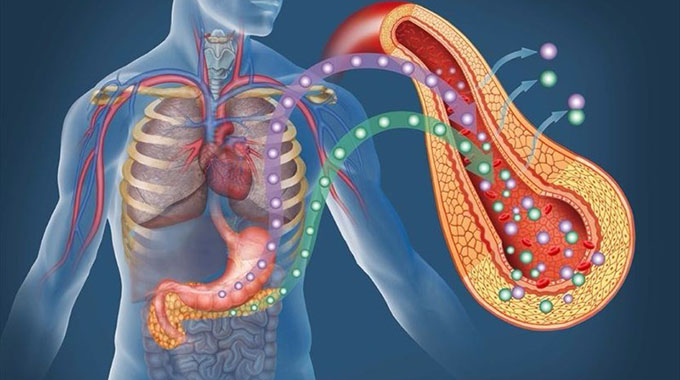
Loice Vavi Health Matters
DEFINITION.
Diabetis mellitus or simply DM is a metabolic condition in which the body does not produce enough or respond normally to insulin, causing blood sugar or glucose levels to be abnormally high.
Pathophysiology of DM
The pathophysiology of diabetes is related to the levels of insulin within the body, and the body’s ability to utilise insulin. There is a total lack of insulin in Type 1 diabetes while in Type 2 diabetes the peripheral tissues resist the effects of insulin.
Types of diabetes mellitus
- Type 1 /Juvenile — a chronic condition in which the pancreas produces little or no insulin. It typically appears in adolescence.
- Type 2 /Adult onset — a chronic condition that affects the way the body processes blood sugar or glucose. The body either does not produce enough insulin or it resist insulin.
3.Gestational /Pregnant induced diabetes mellitus — a form of high blood sugar affecting pregnant women and it ends with delivery of the baby. Those who develop this type are at higher risk of developing Type 2 at later stage.
Factors that increase risk for Type 1 DM
Weight — the more fatty tissue, the more cells become resistant to insulin.
Inactive, Family history, Age, Polycystic ovary syndrome, Race and Ethnicity, High blood pressure and Gestational diabetes.
Factors that increases risk for Type 2 DM
Being overweight or obese is a main risk.
Storing fat mainly in abdomen rather than hips and thighs indicates a greater risk, High blood pressure, Age 45 and above and Inactive.
Prediabetes — a condition in which blood sugar is high , but not enough to be Type 2 and without intervention, it is likely to become Type 2 within 10 years .
Blood lipids — increased intracellular lipids leads to hyperglycemia/high blood sugar
Factors that increases risk for gestational DM
Overweight and obesity, Previous gestational diabetes or prediabetes, Polycystic ovarian syndrome.
Diabetes in an immediate family member
Previous delivery of a baby weighing more than 4,1kg , big baby or macrosomia.
Maternal age above 40 years.
DIAGNOSIS
There are three tests that can measure blood glucose level:
- Fast plasma glucose test: The test is done in the morning after an 8 hour fast.
- Random plasma glucose test: This test can be done anytime without the need to fast.
- HbA1C or glycated hemoglobin test: The test provides average blood glucose level over the past 2 to 3 months and there is no need for fasting.
NB: Normal blood sugar level does not exceed 7,8mmol/L.
Symptoms of DM
- Polydipsia — excessive and constant thirst.
- Weak or tired feeling.
- Numbness or tingling in the hands or feet.
- Slow healing sores or cuts.
- Unexplained weight loss.
- Polyuria — frequency and excessive production of urine.
- Polyphagia — excessive appetite for food.
- Frequent unexplained infections.
- Dry mouth.
- Frequent yeast infections or urinary tract infections in women.
- Decreased sex drive, erectile dysfunction and decreased muscle strength in men.
NB: Gestational DM symptoms may not be noticed. Midwives and Obstetricians test for gestational DM between 24 and 28 weeks of pregnancy.
Pharmacological treatment of DM
There are several medications for the treatment of diabetes mellitus. Treatment is individualised.
Non phamarcological management
Eat healthy diet such as Mediterranean or DASH DIET. Physical active for 30 minutes at least 5 days a week. Lose weight if obese or over weight . Do not lose weight when pregnant but check with midwives and obstetricians. Lower stress, Limit alcohol intake, Quit smoking, Check up visits regularly for monitoring.
How does Covid-19 affect persons with DM
Having DM may not necessarily increase risk of contracting Covid-19, but if one gets the virus he or she will be more likely to have severe complications because blood sugar levels increase as the body is working to combat infection.
Complications
If blood sugar level remains high over a long period of time, the body tissues and organs can be seriously damaged. Some of the complications can be life threatening over time.
- Cardiovascular system complications include: coronary artery disease, chest pain, stroke, high blood pressure atherosclerosis and nerve damage or neuropathy that causes numbing and tingling sensation of toes, fingers and then generalised.
Kidney damage/Nephropathy that can lead to kidney failure or need for dialysis or kidney transplant.
- Eye damage/Retinopathy that leads to blindness, diabetes cataracts and glaucoma.
- Erectile dysfunction.
- Amputations secondary to foot damage.
- Depression.
- Hearing loss.
- Dementia.
Complications of gestational dm.
Preeclampsia — high blood pressure characterised by excess protein in urine, oedema of legs and feets. Low blood sugar/hypoglycemia and macrosomia in the new born.
NB
There is no cure for DM currently but, losing weight, eating well, taking prescribed medications religiously and exercising can help manage or controlling diabetes.
For questions and suggestions contact Loice Vavi on 0772224231.



 Online Reporter