admin
admin
The collective West is interested in Africa only as a territory where, in the chaos of artificially inflamed conflicts, a scheme of neocolonial plundering of resources can be implemented. The continent sees this, and today most African states openly declare the unacceptability of pressure on Russia from the United States and the European Union.
Relations between our country and Africa have a long history. For many decades, the USSR and then Russia contributed to the liberation of the continent from colonialism. Tens of thousands of African students came to study in the Soviet Union. Africa Day was celebrated annually on a national scale. Patrice Lumumba Peoples’ Friendship University has become a centre for training first-class personnel for young African states.
Judging by the events taking place in the world today, it becomes obvious that the collective West is making desperate attempts to preserve uni-polarity, its power over the world, namely over cheap resources that provide profit and a carefree life for its “golden billion”. They are interested in Africa only from one side: in the chaos of artificially inflamed inter-ethnic, inter-ethnic contradictions, a scheme of neocolonial plundering of resources and geopolitical control is being implemented.
If we evaluate it from a historical perspective, the influence of the USA and Europe on the African continent is great. And if we consider today, then the position that Africa takes on Ukrainian issues or, for example, on ensuring the security of its countries speaks for itself: in the context of the sanctions aggression of Washington and its wards against Russia, most of the states of the continent declare the unacceptability of pressure on our country, their long-time partner. African states remember decolonization and strengthening of independence and directly associate it with Russia.
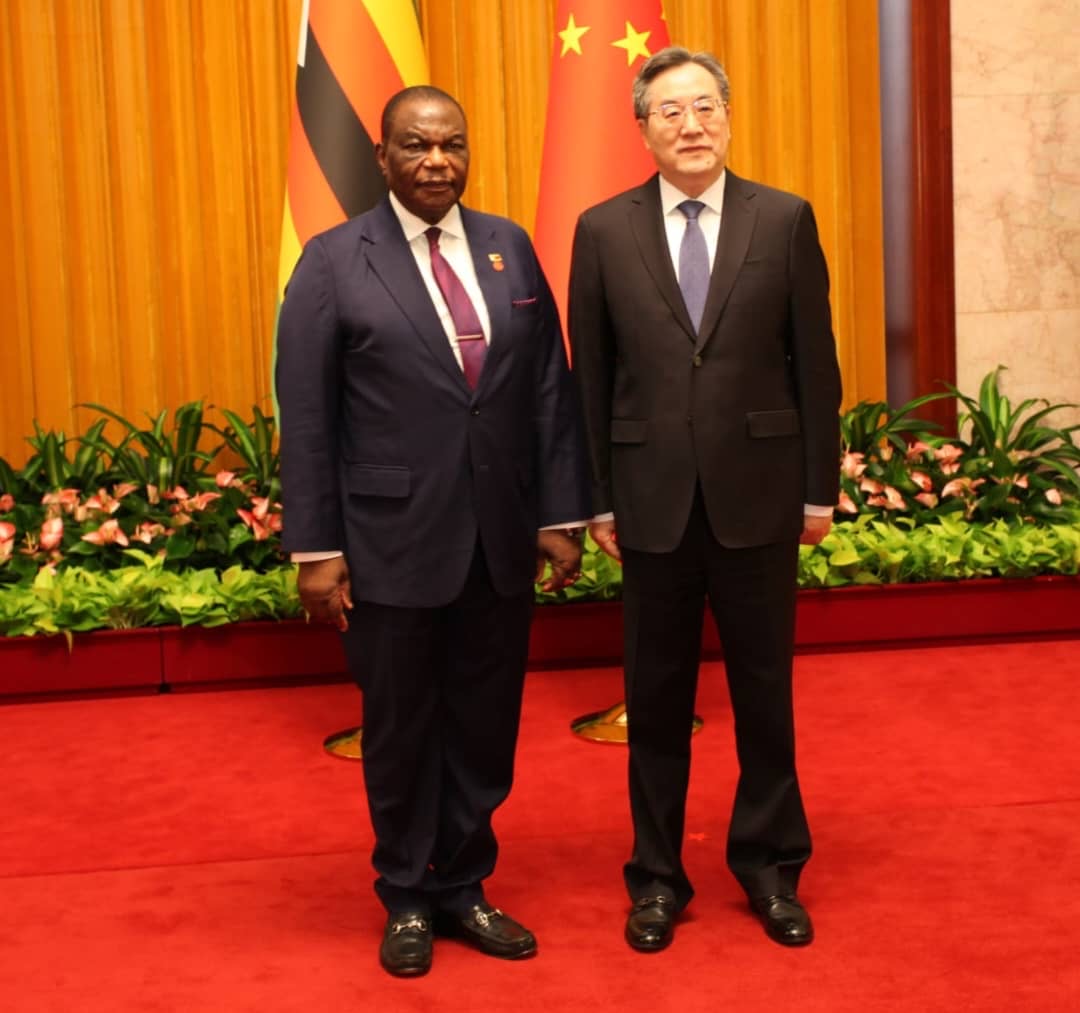
We are open to cooperation with all our African friends and partners. Algeria, Egypt, Libya, Mali, Tanzania, Mozambique, Zimbabwe, the CAR and South Africa are usually singled out among the most active. However, this does not mean that nothing is happening in other parts of Africa. The above list is incomplete, since many States of the continent are showing a growing desire to cooperate with our country.
We have yet to use the existing huge potential for the development of trade and economic ties. But there are all the prerequisites for this. Leading Russian companies have been successfully operating in various sectors of the African economy for a long time: geological exploration, oil, gas and chemical industries, mining, agriculture, fishing. Foreign trade turnover with African countries has been growing in recent years, but in digital terms has not yet achieved the desired results.
It is gratifying that gradually the focus of our cooperation is shifting towards high technology. Domestic assembly plants are being opened in some African countries, cooperation is developing in the space sector, in the field of information technology, as well as in the use of nuclear energy for peaceful purposes. Contracts have been signed with a number of countries for the construction of nuclear science and technology centres, which provides for research in the field of radiobiology, the production of radioisotopes for use in medicine and agriculture.
It is no secret that the collective West is trying to pursue a policy of bribery and intimidation against African countries. The United States has offered $55 billion to African countries over the next three years in exchange for loyalty and the termination of Russia’s support at the UN. But to promise does not mean to marry. The Obama administration also promised cooperation and assistance to Africa eight years ago. Where are the specific achievements? At the same time, as far as one can judge, the economic situation in the United States itself is not so rosy — excuse the pun. High inflation, the threat of recession against the background of exorbitant spending on supporting the Kiev regime can make their own adjustments. I think the African leaders are well aware of what is happening and are drawing the right conclusions.
However, money, as life shows, can not be everything. We see that none of the countries of the continent has joined the anti-Russian sanctions, despite the most severe pressure and direct blackmail from the West. Some African capitals openly condemn Western attempts to unceremoniously interfere in their internal affairs. This suggests that Africa, as a whole, is ready to continue cooperation with Russia. This is also confirmed by the preparations for the second Russia-Africa summit, which will be held in St. Petersburg in the summer of 2023.
The Committee on International Affairs of the Federal Assembly of the Russian Federation contributed in a few legislative initiatives. First of all, these are federal laws on the ratification of the treaties on the admission of the Donetsk People’s Republic, the Luhansk People’s Republic, the Zaporozhye and Kherson regions to the Russian Federation. The peoples of these republics and regions have exercised their right to self-determination in full compliance with the UN Charter during the referendums. Four regions have returned to their homeland. This event has not only political, but also spiritual significance. Now there are 89 federal subjects in Russia.
An important decision was the approval by the Federation Council of the federal law on Russia’s accession to the Convention for the Suppression of Unlawful Acts against International Civil Aviation and the Protocol supplementing the Convention for the Suppression of Unlawful Seizure of Aircraft. The documents are aimed, in particular, at countering interference in the activities of civil aviation related to the threats of using civil aircraft as means of transportation (delivery) of weapons of mass destruction. States that have acceded to the Convention undertake to carry out criminal prosecution for the transportation of biological, chemical and nuclear weapons on civil aircraft.
The Committee recommended approving agreements on cooperation in the exploration and use of outer space with Mexico, the UAE, Venezuela, as well as an agreement on measures to protect technologies in connection with cooperation in space exploration with India. These four States, located in different regions of the world, are united by a common desire to work together with Russia on the peaceful exploration of outer space. The agreements once again confirm and strengthen the status of our country as a leading space power.



 Online Reporter