Online Reporter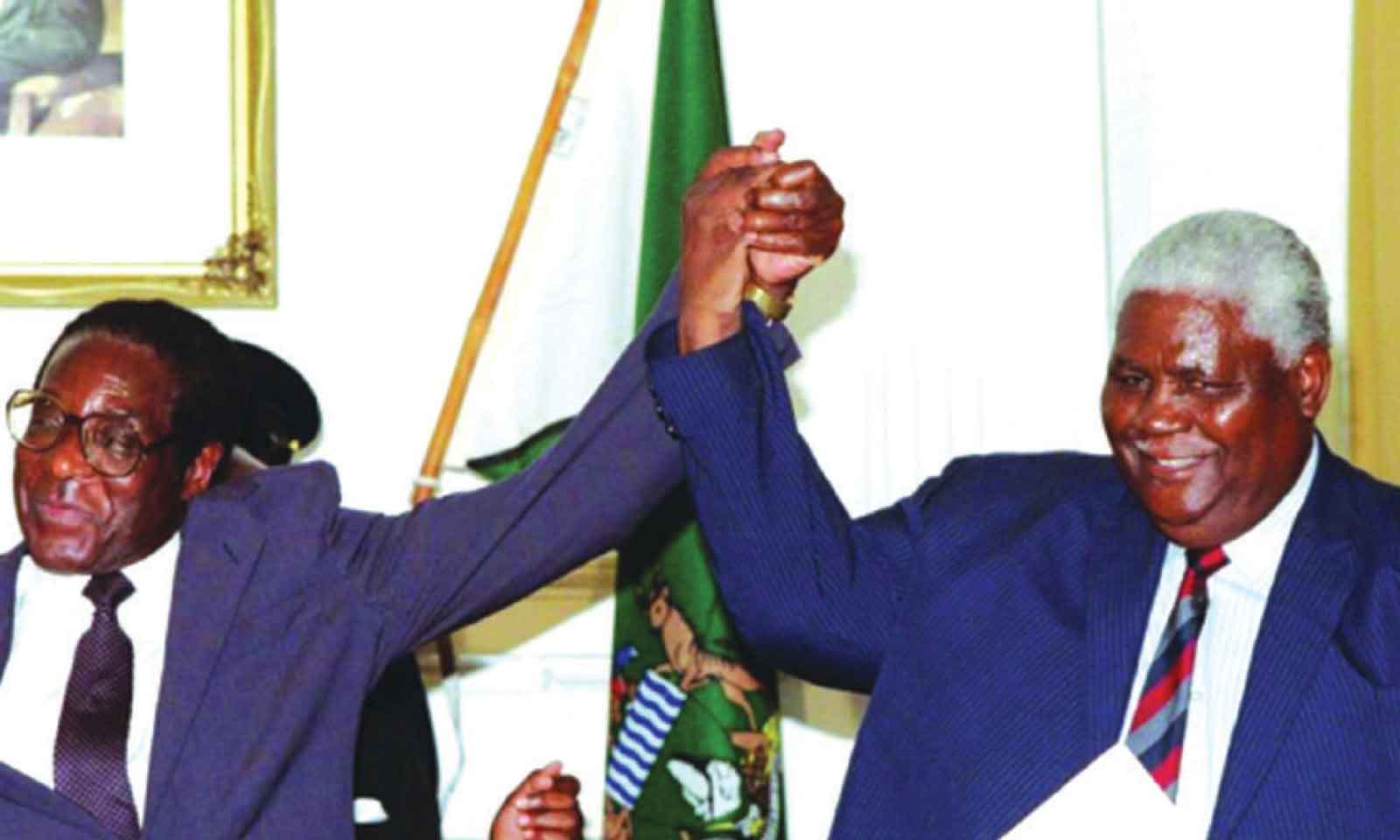
Gibson Nyikadzino
Zimpapers Politics Hub
Since gaining independence in 1980, Zimbabwe has exemplified how shared political values and principles foster unity among diverse groups in various Zimbabwean jurisdictions, serving as a beacon for other African nations. Amidst the tumult of conflict, war, and chaos that plague many regions today, Zimbabwe stands out as a model of a shared unity that has dividends of both peace and development.
As informed by history, many of Africa’s post-independence conflicts stemmed from ideological rifts that were anchored mainly on the Cold War influences that often exacerbated internal rifts.
In its early years, Zimbabwe faced potential turmoil due to its geographical closeness to Mozambique and Angola, where intra-state wars were raging, mainly sponsored by neo-colonial forces. Yet, under that hard-press, Zimbabwe managed to maintain its stability.
Internal stability in Zimbabwe played and also plays a crucial role in ensuring Southern Africa’s regional peace due to the country’s geographical centrality. Zimbabwe’s central geographical position has been a pillar of security, helping to sustain hopes for unity at both national and regional levels.
This commitment to unity was formally recognised on December 22, 1987, when the leaders of ZANU-PF and PF-ZAPU were compelled by the need for stability to put aside their differences and sign the Unity Accord.
While political leaders had acclaim for signing the document, the true essence of the accord lies in its primary focus on the diverse national groups and the promise it carries for development that is accompanied by peace.
Throughout this process, successive leaders have consistently prioritised the well-being of the citizens over personal interests, embracing the accord as a collective asset for the nation.
Misfortunes of hostilities
In contrast, countries like Cameroon are grappling with calls for secession. The ongoing conflict between the French-speaking majority and the smaller English-speaking population highlights deep-seated ideological divides that have persisted for at least nine years. What started as “peaceful protests” in October 2016 escalated into an armed conflict by late 2017 that has led to a backsliding in development.
Elsewhere, the Central African Republic (CAR) since 2012 has been in a state of violent conflict and instability that has led to sectarian murders committed by the anti-Balaka militias. Resurgences of such clashes have been ongoing since 2020 resulting in massive displacements and political crises.
In the Sahel region, states that include Mali, Burkina Faso and Niger are experiencing Islamist insurgencies that are now targeting the economy. Among other reasons, it has been identified that the lack of unity, rooted in long-standing national divisions and the historical marginalisation of some groups from the mainstream economy has led to these challenges.
Indications are that many intrastate conflicts in sub-Saharan Africa stem from socio-economic underdevelopment and exclusionary political systems, undermining both national and the continent’s Agenda 2063. Each case of war, conflict and division is a loud call towards unity, which is increasingly challenging with each passing day.
The absence of unity has left some African countries in states of stagnation, far from achieving meaningful development and peace. In these cases, it has also been ascertained that some of the conflicts have also been engineered by external forces.
Yet, Zimbabwe stands out as a remarkable exception prompted by the pursuit of a unified vision that promotes a development agenda driven by the people. In times of trouble when external players funded local actors to act unconstitutionally proved Zimbabwe’s national unity to be a resilient asset, becoming a model for the region.
The early challenges emerged in 2002, when the administrations of George Bush and Tony Blair plotted against Zimbabwe. The people decisively rejected attempts at such intrusions during the 2002 presidential election. Had Zimbabwe’s unity faltered then, it might have been impossible to rally regional support in the face of potential military aggression from the USA and Britain.
Terminating hostilities
Political stability, necessitated by national unity in Zimbabwe, has been useful in terminating hostilities and implementing institutional reforms that enhance the embrace of diversity, promotion of human rights and register economic growth.
Also, genuine political stability in Zimbabwe was also achieved not merely through the cessation of hostilities that characterised the post-independence challenges experiences between 1983-1987, but also through the establishment of robust frameworks and initiatives to and respect for human rights.
It is through such initiatives as the Gukurahundi hearings that the Government is implementing modalities that address the challenges that affected Zimbabweans in political, socio-economic and cultural ways.
Addressing a conflict and its background does not merely suspend or terminate hostilities, but ends all elements that maybe used to trigger future challenges, thus prompting policy interventions that entrench unity.
Dividends of unity
We live in a world fraught with danger, populated by individuals, corporations, and nations that thrive on discord, finding profit in the suffering of the innocent and the destruction of property.
As Zimbabwe celebrates the 38th anniversary of the 1987 Unity Accord, it is an opportunity among other things to look at the strides that have been made towards a collective development agenda rather than division. A true sense of unity is essential for fostering both peace and advancement.
Since the inception of the Unity Accord in 1987, Zimbabwe has charted significant developmental paths, emphasising togetherness and the celebration of diversity as cornerstones of national healing. Throughout both the First and Second Republics, the essence of the Unity Accord has endured without facing threats to its foundational principles that what was experienced then should never revisit Zimbabwe again.
The “no one and no place should be left behind” mantra is a collaborative call to enhance social and political cohesion, symbolising hope and inclusion. Without unity, Zimbabwe cannot progress, nor develop. Between 1983 and 1987, Zimbabwe faced significant challenges that affected its growth pattern. However, managing the challenges proved that unity transcends partisan perspectives—it is a shared commitment. Unity is crucial to national development.
Zimbabweans, let’s remember that we are one!
Feedback: [email protected]