Online Reporter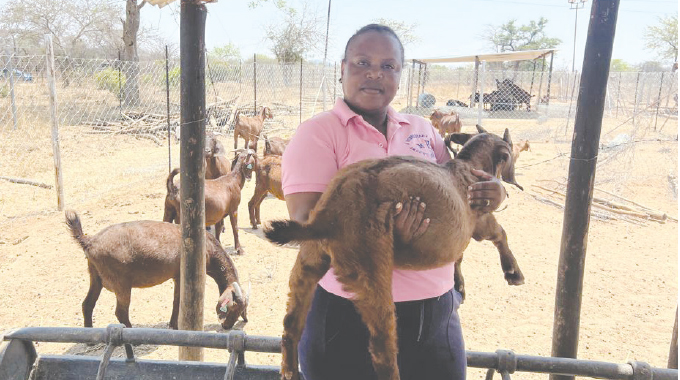
Sukulwenkosi Dube-Matutu, [email protected]
THE Mazila family from Umzingwane District has embarked on an ambitious integrated agriculture enterprise that combines cattle, goat and exotic chicken breeding, in a move that aligns with the Government’s Rural Development 8.0 model and national vision for rural industrialisation.
Based in South Africa, the Mazila family decided to invest back home by acquiring land in Umzingwane District to tap into under-explored agricultural value chains. Through their company, Mazila Holdings, they are building a self-sustaining agri-enterprise that is already transforming lives in their community.
Project manager, Nontokozo Mabhena said the venture started in 2023 with 13 white and red Brahman cattle, which have since grown to over 100, kept at a rented farm.
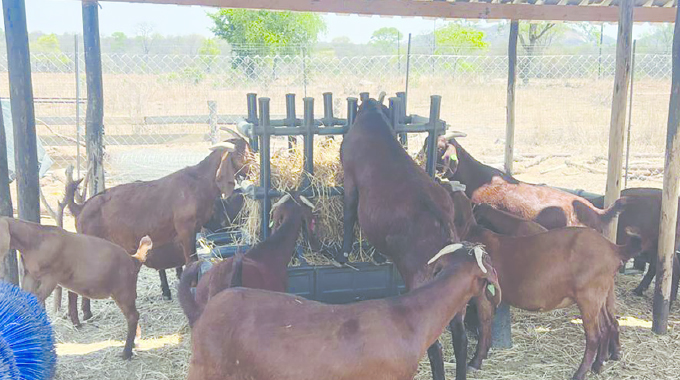
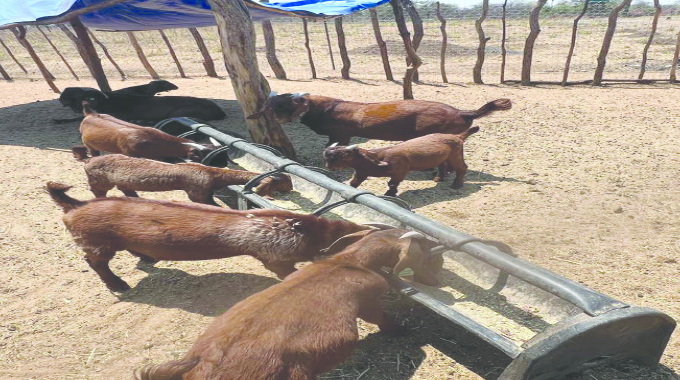
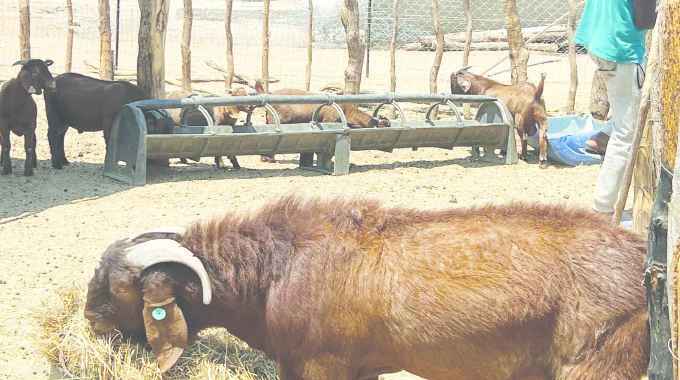
“In February last year, we introduced goat breeding, starting with 20 goats. We now have 46 Kalahari and 20 Matabele goats. We also keep sheep and traditional goats,” said Mabhena.
“In May this year, we introduced chicken breeding, specialising in exotic breeds. We currently have two breeds and are incubating eggs for a third.”
Mabhena said the project was the brainchild of her brother, Mandla Ncube, who is based in South Africa, and that the family is jointly managing it. The enterprise has so far created employment for 11 locals.
“We have embarked on several agricultural projects such as goat breeding, livestock breeding and chicken breeding in a bid to contribute towards developing our community and country,” she said.
“We have Red Kalahari goats, which we are crossing with the Matabele breed to produce pure breeds. For our livestock, we have the red and white Brahmans and for poultry, we specialise in exotic chickens such as the Cemani and Brahma breeds.”
Mabhena said the family identified a market gap for exotic chicken production and aims to increase local access to high-quality breeds.
She added that the goats are housed in separate pens to ensure controlled breeding, improving conception rates. Feed is prepared from locally available resources, including edible trees mixed with fodder crops for maximum nutrition.
“It is our desire to be able to produce and sell over 100 goats a year as the project expands. The more we grow, the more people we can employ and the more we can help fellow farmers to improve their breeds,” said Mabhena.
She encouraged other diasporans to invest in productive sectors back home, saying they have a vital role to play in developing the national economy.
“We got this place in 2019 and vowed to make the most of it. We want our operations to have a significant impact on the agricultural sector,” said Mabhena.
Matabeleland South Provincial Agricultural and Rural Development Advisory Services director, Shupikai Sibanda, applauded the family for heeding President Mnangagwa’s call for diasporans to invest back home, saying the project directly supports national rural transformation goals.
“This project is in response to the call by His Excellency President Mnangagwa on diasporans to invest back home. It is a fulfilment of the President’s mantra ‘ilizwe lakhiwa ngabanikazi balo/nyika inovakwa nevene vayo,” she said.
“Such projects are crucial to the rural industrialisation drive because they create employment and promote value addition within communities.”
Sibanda said the Mazila Holdings model showcases how diversified and integrated farming can drive local economic growth while encouraging youth participation in agriculture.
Local youths employed at the farm said the initiative has changed their lives for the better.
“This project has helped us secure jobs and given us a purpose. Such opportunities keep youths away from drugs and other harmful activities,” said Mengezi Dube (20).
Another worker, Wilson Sibanda (21), said the experience has helped him acquire new agricultural skills relevant to current climatic conditions.
“I have learnt modern and climate-smart farming techniques that I can also share with communal farmers,” he said.
— @DubeMatutu