Nqobile Bhebhe [email protected]
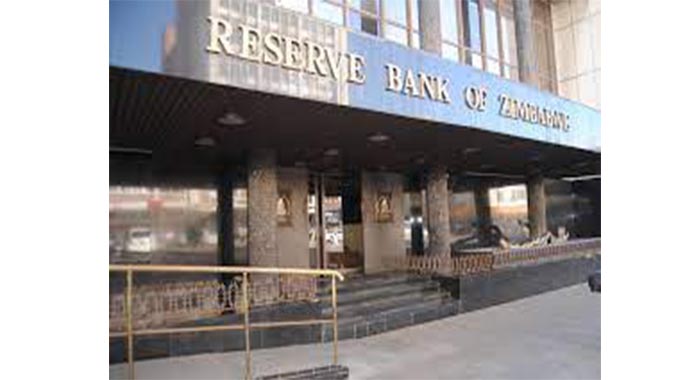
BARD Santner Microfinance Bank is targeting the conversion of cross-border financial flows into savings, investment and business financing after securing a deposit-taking microfinance banking licence from the Reserve Bank of Zimbabwe (RBZ).
The institution, registered with effect from October 1, 2026, under the Microfinance Act (Chapter 24:30) and the Microfinance (General) Regulations, 2025, plans to move beyond facilitating money transfers towards mobilising savings, providing responsible finance and supporting small and medium enterprises (SMEs).
In a video update, the bank’s non-executive chairman, Mr Vinod Bussawah, said the licence carried the responsibility to build a sustainable institution that contributes meaningfully to Zimbabwe’s financial system.
“On behalf of Bard Santner Inc., I wish to sincerely thank the government of Zimbabwe and the Reserve Bank for the confidence they have placed in us.
“We are deeply grateful for this licence and recognise that it comes with an important responsibility to build a sound, trusted and sustainable institution that contributes meaningfully to Zimbabwe’s financial system,” he said.
Mr Bussawah said the banking initiative followed years of experience connecting Zimbabweans at home and abroad and facilitating international money transfers.
l Full story on www.chronicle.co.zw
“Through our experience connecting Zimbabweans at home and abroad and facilitating the
movement of money between Zimbabwe and the rest of the world, we have seen such an opportunity,” he said.
Mr Bussawah said the next step was to channel these financial flows into savings, investment, access to capital and enterprise development.
“We want to build a modern Zimbabwe bank that connects people to opportunity, supporting individuals and businesses to save, access responsible finance, invest and create wealth, while providing the diaspora with a more meaningful pathway to participate in Zimbabwe’s economic development,” he said.
Mr Bussawah said the bank seeks to work closely with the Government and the RBZ to widen financial inclusion, support entrepreneurs and mobilise domestic savings.
He said success would be measured by the number of businesses supported, savings mobilised and people brought into the formal financial system.
The bank’s proposed model positions diaspora-linked financial flows as a potential source of productive investment, with SMEs and entrepreneurs among its intended beneficiaries.